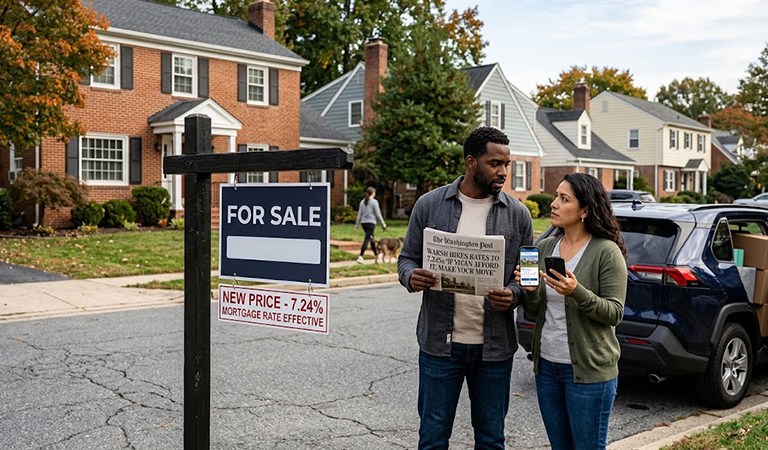


The real estate market is no stranger to economic shifts, and U.S. tariffs are emerging as a significant factor shaping its future. With new trade policies impacting the cost of goods and materials, both home prices and mortgage rates are likely to feel the ripple effects. For buyers, sellers, and industry professionals, understanding these dynamics is crucial in navigating the evolving market landscape.
How Tariffs Influence Home Prices
Tariffs are taxes imposed on imported goods, and their costs are often passed down to consumers. For the housing market, this affects materials critical to home construction, such as lumber, gypsum, and other building materials. According to the National Association of Home Builders (NAHB), approximately 10% of materials used in residential construction are imported.
For example, U.S. tariffs on Canadian lumber, which already include a 14.5% levy, contribute to higher costs for new homes. The NAHB estimates that these tariffs add nearly $10,000 to the price of the average new single-family home. With proposed policies introducing an additional 10% universal tariff on imports, the price of building materials could climb even higher. For potential buyers, this means that new homes may become increasingly expensive, pushing more demand toward existing homes, which in turn raises their prices.
The U.S. is currently facing a housing supply gap of nearly 4 million homes, particularly in affordable price points. Higher material costs place additional pressure on homebuilders to produce inventory while limiting their ability to meet demand at lower price ranges. Ultimately, higher costs across the board could exacerbate the affordability crisis, sidelining many potential buyers from homeownership.
The Effect on Mortgage Rates
Tariffs don’t just impact home prices; they can also influence mortgage rates. By increasing the cost of goods, tariffs contribute to inflation, which in turn places pressure on the Federal Reserve to adjust interest rates accordingly. If inflation persists, the Fed may decide against cutting rates or could even raise them as part of its strategy to manage inflation.
Currently, mortgage rates remain above 6.6% for 30-year fixed-rate loans, significantly higher than the sub-3% rates seen during earlier years. While President Trump has vocally supported efforts to lower rates, external economic factors such as inflation and global trade policies play a larger role in determining these rates. Meanwhile, the burden of higher mortgage costs further reduces affordability for buyers already struggling with increased home prices.
What This Means for Buyers and Sellers
For potential homebuyers, these trends indicate that housing costs are unlikely to decrease in the near future. Prices for both new and existing homes remain elevated, while mortgage rates continue to hover at higher levels. Buyers who are financially ready might want to act sooner rather than later to lock in current rates and prices before they climb further.
Meanwhile, existing homeowners may benefit from rising real estate values, particularly if demand continues to exceed supply. However, sellers may also encounter challenges as fewer buyers can afford inflated prices, potentially leading to longer listings and slower sales in certain market segments.
Navigating the Market
Tariffs are shaping a housing market where affordability is increasingly at risk. While this poses challenges, understanding these dynamics can help buyers and sellers make informed decisions. If you’re considering purchasing a home or planning to sell, now is the time to act strategically. Consult with a knowledgeable real estate expert who understands the complexities of today’s market and can guide you toward the best opportunities.
By staying informed about the impact of tariffs and other economic factors, buyers and sellers can better prepare to adapt to an evolving real estate landscape.
#RealEstateImpact #TariffTalk #HousingTrends