
Recovering from an aggressive gastrointestinal infection like Cyclospora requires an intentional, multi-phase dietary reboot rather than an immediate return to normal eating. Because pathogens and medical antibiotics deplete your natural microbiome, restoring gut health depends on transitioning from soothing soluble fibers to live probiotic strains, and eventually introducing prebiotic fuel. Following a structured roadmap ensures you restock beneficial bacterial flora without aggravating a vulnerable, healing digestive tract.

Recovering from a gastrointestinal infection like Cyclospora or a severe stomach bug leaves your gut microbiome temporarily depleted. The combination of the pathogen itself, fluid loss, and potentially targeted antibiotics can clear out the beneficial bacteria that keep your digestion running smoothly.
Rebuilding a resilient gut requires a systematic, gentle approach. Pushing heavy, high-fiber foods or complex dairy too quickly can irritate a fragile intestinal lining.
Phase 1: The Gentle Reset (Days 1–4 Post-Infection)
Immediately following a gut illness, your intestinal lining is often inflamed, and its digestive enzyme production is temporarily diminished. Your initial focus should be on easy-to-digest nutrients that soothe the gut wall before focusing heavily on bacterial repopulation.
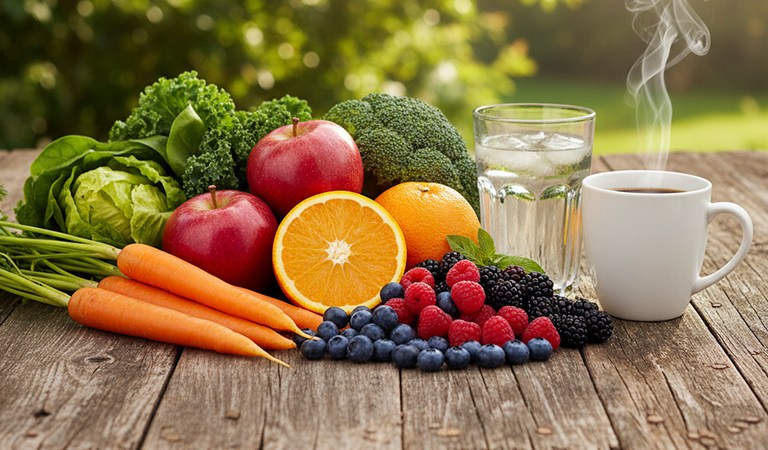
- Prioritize Soluble Fiber: Foods high in soluble fiber dissolve in water to form a soothing, gel-like substance in your digestive tract. Think oatmeal, peeled apples (cooked applesauce is even better), bananas, and well-cooked carrots.
- Utilize Bone Broth: Rich in amino acids like glutamine, bone broth provides the literal building blocks your gut lining needs to repair cellular damage. It also helps restock critical electrolytes lost during the illness.
- The BRAT Diet (Modified): While the classic Bananas, Rice, Applesauce, and Toast approach is excellent for transitioning back to solid foods, make sure to add lean proteins like boiled chicken or white fish quickly to prevent nutrient depletion.

Phase 2: Introduce Targeted Probiotic Foods (Days 5+)
Once your stomach cramps have subsided and your bowel movements have stabilized, you can actively introduce fermented foods. These introduce live, beneficial strains of bacteria directly into your digestive tract.
| Probiotic Source | Key Microorganisms | Best Practices for Recovery |
| Kefir | Lactobacillus, Bifidobacterium, and beneficial yeasts | A fermented milk drink that is up to 99% lactose-free due to the fermentation process. Start with 2–4 ounces a day. |
| Kombucha | Gluconacetobacter, Saccharomyces | Choose low-sugar, non-pasteurized varieties. Avoid highly carbonated or heavily sweetened brands if you still experience bloating. |
| Yogurt (Plain, Unsweetened) | Lactobacillus bulgaricus, Streptococcus thermophilus | Ensure the label explicitly states “live and active cultures.” Greek or Icelandic varieties also provide an excellent protein boost. |
| Sauerkraut & Kimchi | Lactic acid bacteria (LAB) | Must be sourced from the refrigerated section of the grocery store. Shelf-stable cans or jars use heat pasteurization, which kills the beneficial bacteria. |
| Miso | Aspergillus oryzae (koji) | A fermented soybean paste. Incorporate it into warm (not boiling) broths to preserve the live organisms. |
Phase 3: Feed the Microbes with Prebiotics
Introducing probiotics is only half the battle; you also have to keep them alive. Prebiotics are specialized plant fibers that act as food for your newly introduced gut bacteria. Once your digestion feels close to 100%, systematically add these prebiotic powerhouses to your meals:
- Garlic and Onions: Rich in inulin, a powerful prebiotic fiber that fuels Bifidobacteria.
- Leeks and Asparagus: Excellent sources of raw or lightly cooked prebiotic nutrients.
- Slightly Underripe Bananas: Contain high amounts of resistant starch, which bypasses the small intestine entirely and travels to the large intestine to feed your gut flora.
A Note on Supplements: If your infection required a course of antibiotics, a high-quality, multi-strain probiotic supplement containing Lactobacillus rhamnosus GG or Saccharomyces boulardii (a beneficial yeast) can significantly reduce the risk of secondary, antibiotic-associated complications. Consult your doctor or a registered dietitian to tailor a specific supplement plan.
#ResetYourGut #MicrobiomeHealing #GutHealthTips