
Optimizing your daily wellness requires understanding fundamental biological truths. Critical health and fitness facts you need to know include the metabolic efficiency of resting muscle, the severe mortality risks associated with prolonged sedentary behavior, and the high concentration of nerve endings and sweat glands located on the soles of your feet.

DISC Health Equity Action Lab
[mcb-block id=235317]Weekly Health Tips: 3 General Health Facts You Need to Know Right Now
Health and fitness facts you need to know can fundamentally transform how you approach your daily physical wellness routine. Small, evidence-based adjustments to your activity levels and lifestyle habits can have compounding positive effects on your long-term longevity. In partnership with Howard University Hospital, we break down three vital physiological insights that will help you maximize your metabolic rate, combat sedentary habits, and better appreciate your body’s complex anatomy.
1. Muscle Efficiency: Your Secret Weapon for Metabolic Health
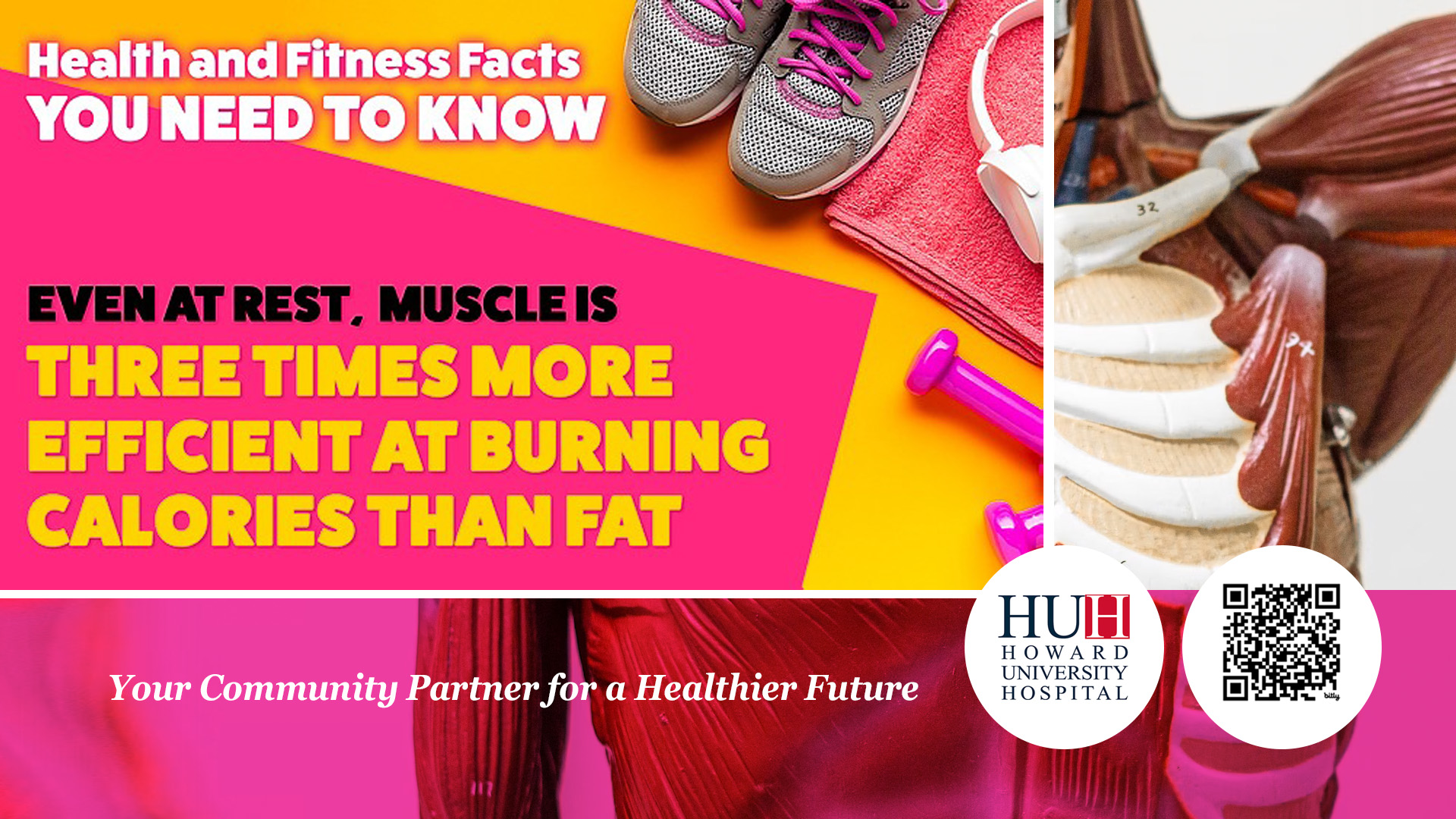
Resting Muscle Tissue Burns Three Times More Calories Than Fat
Building lean muscle mass is one of the most effective ways to naturally increase your daily resting metabolic rate. According to the data provided in health slide 19.jpg, even at rest, muscle is three times more efficient at burning calories than fat. This means that by participating in regular strength and resistance training, you are actively turning your body into a more efficient energy-burning machine, even when you are asleep or sitting at a desk.
To maximize this metabolic advantage, consider incorporating compound movements like squats, lunges, and push-ups into your weekly routine. Increasing muscle density not only improves daily energy expenditure but also provides essential structural support for your joints and skeleton as you age.

2. Breaking the Sedentary Cycle: Why Movement Dictates Longevity

Prolonged Sitting and Excess Sleep Significantly Increase Mortality Risks
While rest is an essential pillar of recovery, spending too much time immobile poses a severe threat to your cardiovascular and systemic health. As highlighted in health slide 20.jpg, sitting and sleeping are great in moderation, but too much can increase your chances of an early death. Modern desk jobs and screen-heavy lifestyles have made prolonged inactivity a modern epidemic, contributing heavily to metabolic dysfunction.
To combat the dangers of an overly sedentary lifestyle, health experts recommend setting a timer to stand up, stretch, or walk for at least two to five minutes for every hour spent sitting. For deeper guidance on breaking these patterns, explore our guide on how to boost your daily movement and break sedentary habits.

3. Step Into Wellness: The Surprising Anatomy of Your Feet
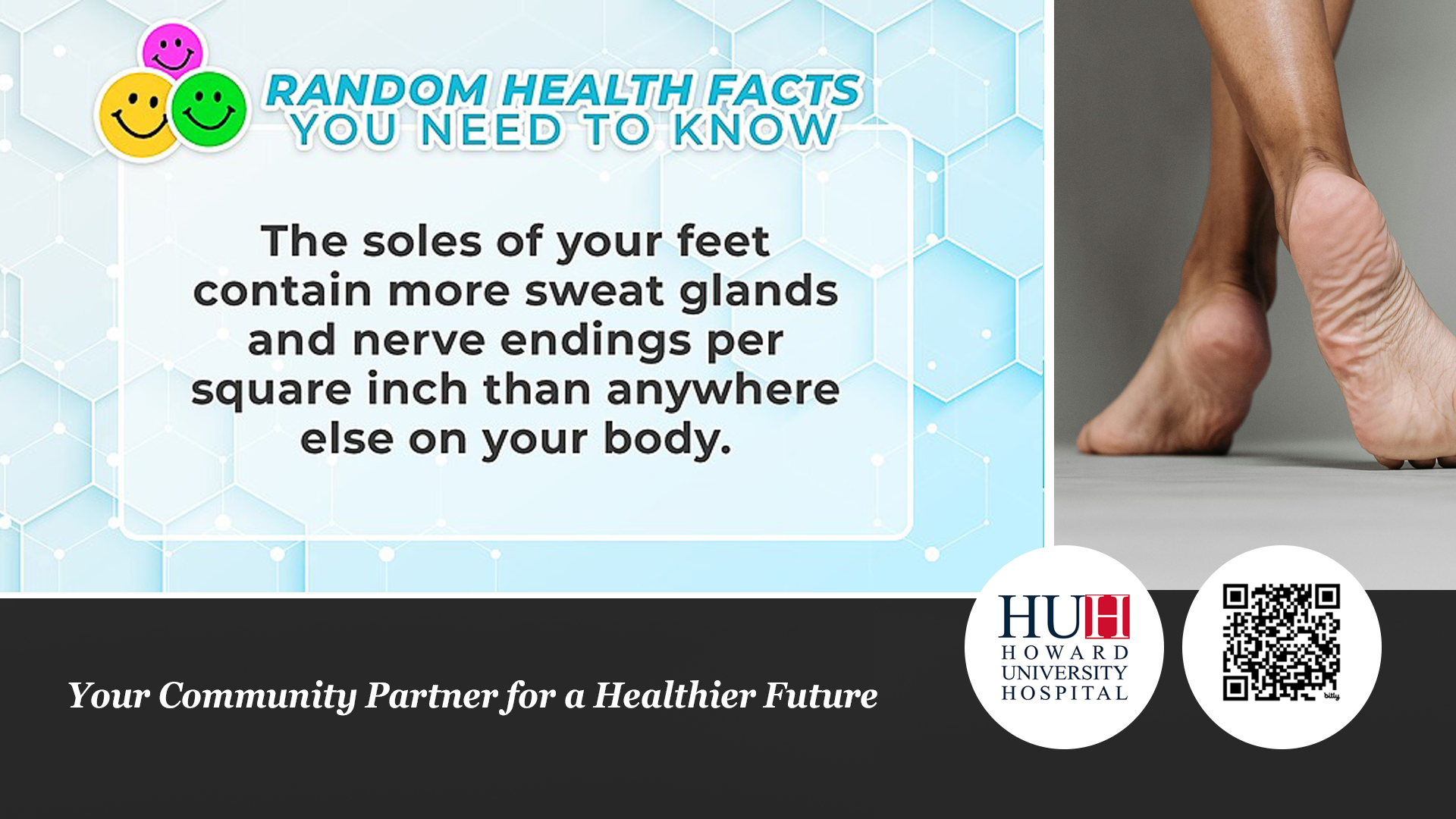
The Soles of Your Feet Contain a Dense Network of Nerve Endings and Sweat Glands
Proper foot care is a vital yet frequently overlooked component of holistic physical wellness and mobility. The anatomical details featured in health slide 21.jpg reveal that the soles of your feet contain more sweat glands and nerve endings per square inch than anywhere else on your body. This dense concentration makes your feet incredibly sensitive feedback mechanisms for balance, posture, and environmental awareness.
Because your feet are highly sensitive, wearing supportive footwear and practicing proper hygiene is paramount to avoiding discomfort and chronic alignment issues. Consider dedicating time to foot stretches, tracking your daily steps, and consulting authoritative resources like the American Podiatric Medical Association to ensure your foundational movement remains uncompromised.
About
DISC Health
The Health Equity Action Lab (HEAL) is an initiative by Dynasty Interactive Screen Community aimed at addressing health disparities in the U.S. and globally. By engaging media and stakeholders, HEAL seeks to reduce health inequalities and raise awareness. Their approach includes overcoming socio historical barriers and confronting the institutional, social, and political factors that perpetuate healthcare inequality.
Learn more about the health education partnership:
Howard University Hospital (HUH)
Howard University Hospital, established in 1862 as Freedmen’s Hospital, has a rich history of serving African Americans and training top medical professionals. Located in Washington, D.C., it is the only teaching hospital on the campus of a historically Black university. HUH is a Level 1 Trauma Center and a critical healthcare provider for underserved populations. It offers advanced medical services, including robotic surgery, and has received numerous accolades for excellence in specialties like heart care, stroke treatment, and radiology.
Learn more about Howard University Hospital (HUH)
Howard University Faculty Practice Plan (FPP)
The Howard University Faculty Practice Plan is a multi-specialty physician group in Washington, D.C., dedicated to advancing healthcare and eliminating health disparities. It offers comprehensive services, including primary and specialty care, mental health, imaging, and cancer care, all connected to Howard University Hospital. FPP emphasizes patient-centered, respectful care for the diverse community and provides free health screenings and events to promote wellness.
Learn more about Howard University Faculty Practice Plan (FPP).
Get more Disc Health Weekly Tips:
#FitnessFacts #MoveMore #PreventiveHealth