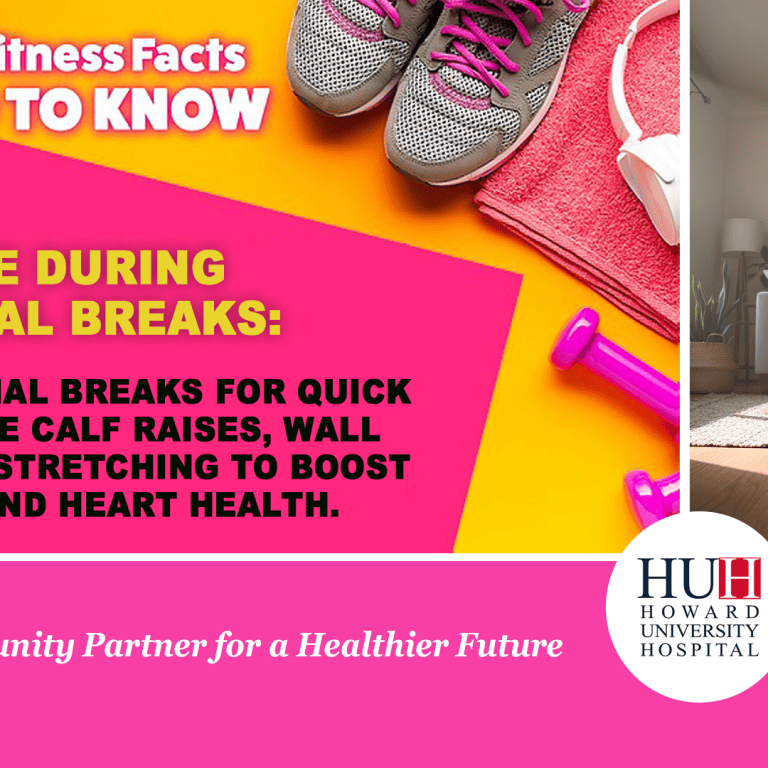

Exercise for energy, balanced fitness, and eye muscle health are three overlooked wellness essentials that can improve daily stamina, movement, focus, and long-term well-being.

DISC Health Equity Action Lab
[mcb-block id=235317]Weekly Health Tips: 3 General Health Facts You Need to Know Right Now
Small daily choices shape how you feel, move, and think. When you understand how your body produces energy, what true fitness involves, and how even your eye muscles work, you gain the tools to feel sharper and stronger every day. Let’s look at three powerful health topics and how they connect to give you more vitality and lasting wellness.
Exercise: Your Natural Energy Booster

It might sound backward, but moving your body actually creates more energy than resting does. Think of physical activity like plugging in a rechargeable battery. The more consistently you use it, the better it holds a charge. Here’s why movement leaves you feeling more alert instead of drained.
More Cellular Energy Through Mitochondria
Inside your muscle cells live tiny power plants called mitochondria. When you exercise regularly, your body builds more of them. This means your cells become better at turning food into usable fuel. The result is a more efficient metabolism and a body that runs with less effort.
Better Oxygen Circulation
Exercise floods your system with oxygen and trains your heart and lungs to work more efficiently. Over time, everyday tasks like climbing stairs or carrying groceries feel easier because your body delivers oxygen where it’s needed faster.
Deeper, More Restful Sleep
Movement helps regulate your internal clock. People who stay active often fall asleep faster and enjoy deeper, more restorative sleep. And quality sleep is directly tied to waking up feeling refreshed instead of foggy.
A Natural Mood Lift
Physical activity triggers the release of endorphins, your body’s feel-good chemicals. These help lower stress, ease feelings of burnout, and leave you in a brighter mood. So a quick walk or workout can do as much for your mind as it does for your body.
The Five Components of Physical Fitness

Energy is just the start. To build real, well-rounded health, it helps to understand what fitness truly includes. Health experts point to five key components. Focusing on all of them helps prevent chronic disease and makes daily life easier.
Cardiovascular Endurance
This is your heart and lungs’ ability to supply oxygen during sustained activity. Running, cycling, and brisk walking all build this kind of stamina, which keeps your whole body energized.
Muscular Strength
Strength is the maximum force a muscle can produce in a single effort, like lifting a heavy box. Strong muscles protect your joints and make hard tasks feel lighter.
Muscular Endurance
While strength is about power, endurance is about staying power. It’s your muscles’ ability to repeat a movement many times without tiring, such as during swimming or a long bike ride.
Flexibility
Flexibility is the range of motion around your joints. Good flexibility helps you reach, bend, and twist with ease, and it lowers your risk of injury during daily movement.
Body Composition
This describes the ratio of fat to fat-free mass like muscle, bone, and organs. A healthy balance supports your metabolism and overall wellness more than weight alone ever could.
When you train all five components, you create a balanced body that performs well today and stays resilient for years to come.
Eye Muscles: The Often-Forgotten Part of Fitness
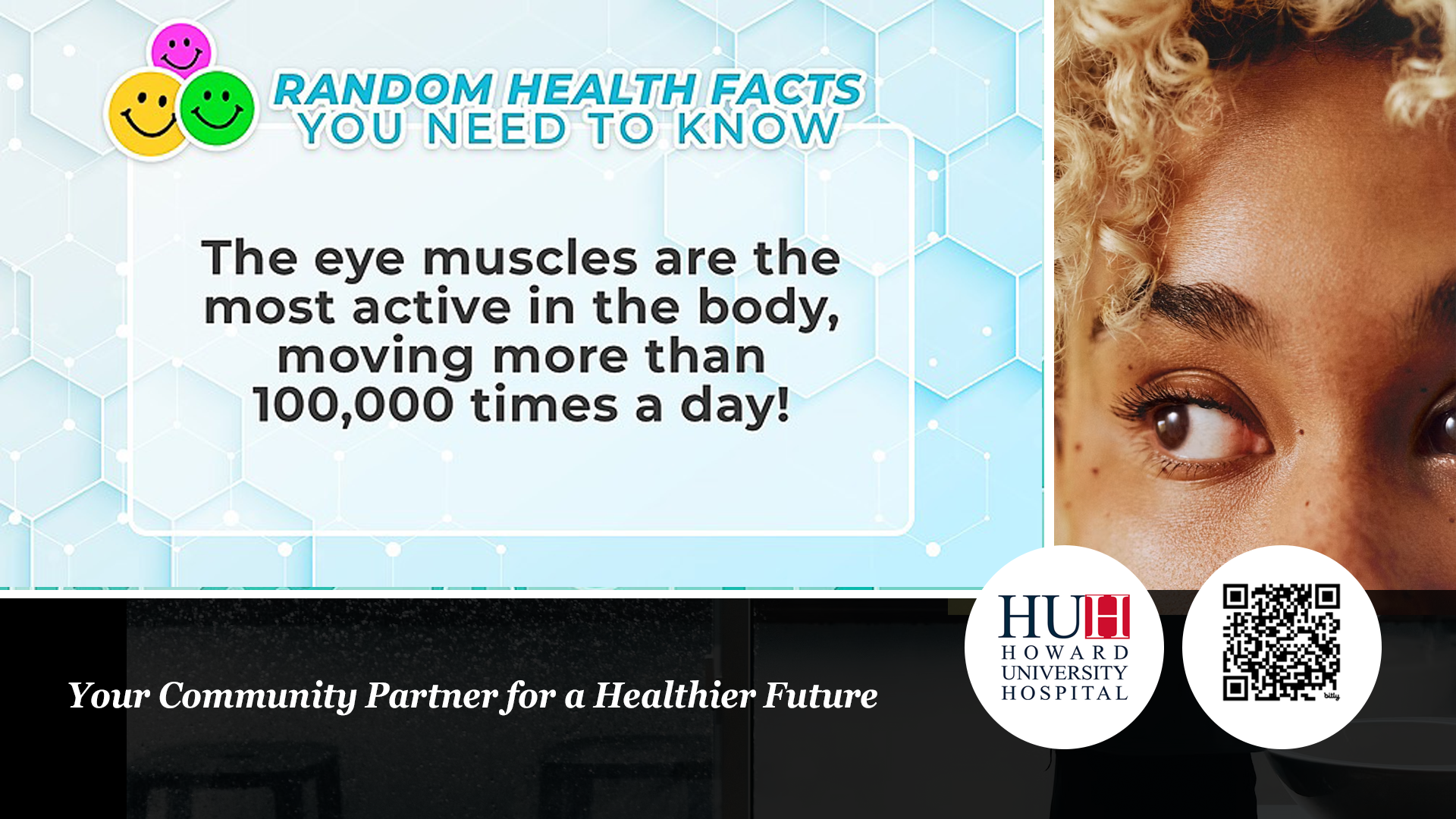
Fitness isn’t only about big muscles. Some of the hardest-working muscles in your body are the tiny ones controlling your eyes. These are called extraocular muscles, and they shape how clearly you see the world.
Smooth Movement and Tracking
These small muscles let you shift your gaze smoothly, follow moving objects, and glance up, down, and side to side without effort. They’re working constantly, even when you don’t notice.
Image Stabilization
Your eye muscles work in perfect sync to keep both eyes pointed in the same direction. This lets your brain blend two images into one clear, steady picture.
Focus and Depth Perception
When you look from your phone up to a distant view, your eye muscles adjust instantly. This quick shift supports your sense of distance and depth, helping you judge space accurately.
Less Eye Strain
Long hours of screen time can leave these muscles tense and tired. Simple eye exercises, like the 20-20-20 rule, help them relax and ease that strain. Every 20 minutes, look at something 20 feet away for 20 seconds.
How It All Connects
These three topics may seem separate, but they work together. Exercise gives you energy and supports the five components of fitness. Those components keep your body strong and capable. And caring for your eye muscles protects the clarity you need to enjoy an active life. Together, they build daily vitality and long-term well-being.
Simple Healthy Habits to Start Today
You don’t need a major overhaul to feel the benefits. Try these easy steps:
- Move for at least 30 minutes a day, even if it’s just walking.
- Mix up your workouts to cover all five fitness components over the week.
- Stretch daily to keep your joints flexible and comfortable.
- Follow the 20-20-20 rule to rest your eyes during screen time.
- Prioritize sleep by keeping a consistent bedtime routine.
Start with one habit, stay consistent, and let the results build. Your energy, strength, and overall well-being will thank you.
About
DISC Health
The Health Equity Action Lab (HEAL) is an initiative by Dynasty Interactive Screen Community aimed at addressing health disparities in the U.S. and globally. By engaging media and stakeholders, HEAL seeks to reduce health inequalities and raise awareness. Their approach includes overcoming socio historical barriers and confronting the institutional, social, and political factors that perpetuate healthcare inequality.
Learn more about the health education partnership:
Howard University Hospital (HUH)
Howard University Hospital, established in 1862 as Freedmen’s Hospital, has a rich history of serving African Americans and training top medical professionals. Located in Washington, D.C., it is the only teaching hospital on the campus of a historically Black university. HUH is a Level 1 Trauma Center and a critical healthcare provider for underserved populations. It offers advanced medical services, including robotic surgery, and has received numerous accolades for excellence in specialties like heart care, stroke treatment, and radiology.
Learn more about Howard University Hospital (HUH)
Howard University Faculty Practice Plan (FPP)
The Howard University Faculty Practice Plan is a multi-specialty physician group in Washington, D.C., dedicated to advancing healthcare and eliminating health disparities. It offers comprehensive services, including primary and specialty care, mental health, imaging, and cancer care, all connected to Howard University Hospital. FPP emphasizes patient-centered, respectful care for the diverse community and provides free health screenings and events to promote wellness.
Learn more about Howard University Faculty Practice Plan (FPP).
Get more Disc Health Weekly Tips:
#ExerciseForEnergy
#PhysicalFitness
#EyeHealth