
Asian American Native Hawaiian and Pacific Islander Heritage Month is a time to recognize how AANHPI representation in film and television has grown, while also asking who gets to tell these stories. Hollywood has expanded visibility, but authentic roles, writers, and lead opportunities are still often created by AANHPI communities themselves.

Articulated Insight – “News, Race and Culture in the Information Age”
Asian American Native Hawaiian and Pacific Islander Heritage Month: Why Film and TV Representation Still Matters
Asian American Native Hawaiian and Pacific Islander Heritage Month offers a chance to celebrate AANHPI artists, while also examining how film and television have represented their communities. Representation has improved, but Hollywood still falls short when it comes to authentic writing, complex lead roles, and meaningful inclusion behind the camera.
For many viewers, early exposure to Asian American, Native Hawaiian, and Pacific Islander cultures came through food, family, school, or the screen. Yet for decades, mainstream film and television offered only a narrow view of AANHPI lives.
The core issue is not only visibility. It is whether AANHPI characters are written with depth, specificity, and humanity.
Asian American Native Hawaiian and Pacific Islander Heritage Month and the Long Fight for Screen Visibility
AANHPI Heritage Month highlights both cultural celebration and cultural accountability. In film and television, that means looking at who appears on screen, who writes the stories, and who gets lasting career opportunities.
For many years, Asian American characters were rare in mainstream U.S. media. Native Hawaiian and Pacific Islander characters were even less visible, especially in live-action lead roles.
When AANHPI characters did appear, they were often placed in supporting roles. Their stories were limited to martial arts, comic relief, service roles, exaggerated accents, or background diversity.
Early AANHPI Representation Was Often Narrow
Several films and shows introduced Asian and Pacific Islander characters to wide audiences, including:
- The Karate Kid
- Rush Hour
- Wendy Wu: Homecoming Warrior
- Mulan
- Lilo & Stitch
- Avatar: The Last Airbender
These titles mattered to many viewers because they provided rare visibility. Still, much of that visibility came with limits.
Some stories centered martial arts as the main cultural marker. Animated projects sometimes featured Asian or Pacific Islander-inspired characters while relying on majority white voice casts. Native Hawaiian and Pacific Islander representation was especially limited outside of animation.
How AANHPI Film and TV Representation Has Changed
AANHPI representation has expanded as casting practices, global media access, and audience demand have changed. More Asian American, Native Hawaiian, and Pacific Islander actors now appear in major film and television roles than in previous decades.
Color-conscious and more inclusive casting helped open doors. As a result, more AANHPI characters now exist outside of the old patterns of fighters, sidekicks, villains, and stereotypes.
Still, visibility alone does not guarantee authenticity. A character can be present on screen and still be underwritten, tokenized, or disconnected from real cultural experience.
Past vs. Current AANHPI Representation in Film and Television
| Area of Representation | Earlier Film and TV Patterns | Current Film and TV Patterns |
|---|---|---|
| On-screen visibility | AANHPI characters were rare, often appearing in secondary or background roles. | Visibility has increased across film, streaming, and television, though lead roles remain uneven. |
| Character types | Roles often centered on martial arts, accents, service work, villains, or comic relief. | More characters now appear as leads, romantic interests, professionals, students, and family members. |
| Story depth | Characters’ cultural backgrounds were often ignored, flattened, or treated as a gimmick. | More stories explore identity, family, class, culture, and belonging, especially when AANHPI creators are involved. |
| Behind-the-scenes inclusion | Writers’ rooms and production teams often lacked AANHPI voices. | More AANHPI creators are producing their own work, but industry-wide inclusion gaps remain. |
| Career pathways | Breakout roles did not always lead to steady work or varied opportunities. | More performers are gaining visibility, but many still face typecasting after major success. |
Hollywood Progress Still Depends on AANHPI Creators Making Their Own Opportunities
The strongest recent progress often comes from AANHPI communities building their own platforms, shows, characters, and creative pathways. When Hollywood fails to imagine full lives for AANHPI characters, AANHPI artists often create those roles themselves.
This pattern reveals a deeper problem. The entertainment industry may embrace representation when it is profitable, but it does not always invest in long-term inclusion.
True inclusion requires more than casting. It requires AANHPI writers, directors, producers, executives, and decision-makers with the power to shape stories from the beginning.
Dev Patel and the Limits of Breakout Success
Dev Patel’s rise after Slumdog Millionaire showed how one acclaimed role does not always lead to equal opportunity. The film became a major success, but Patel later spoke about struggling to find varied roles beyond stereotypes such as “taxi drivers, geeks, and terrorists.” [External citation placeholder]
His experience reflects a common pattern. AANHPI and other actors of color may receive praise for a breakout performance, only to face a narrow set of roles afterward.
The problem is not talent. The problem is an industry pipeline that too often limits what AANHPI actors are allowed to become on screen.
Dwayne Johnson and Pacific Islander Visibility
For many viewers, Dwayne Johnson became one of the first widely visible Pacific Islander stars in mainstream live-action entertainment. His transition from wrestling into acting helped bring Pacific Islander presence into blockbuster film and television spaces.
Still, one star cannot represent the full range of Native Hawaiian and Pacific Islander experiences. Broader representation requires many voices, many genres, and many cultural perspectives.
Pacific Islander communities need stories that go beyond spectacle, strength, or exoticized settings. They deserve romance, comedy, drama, science fiction, family stories, and historical narratives led by their own creators.
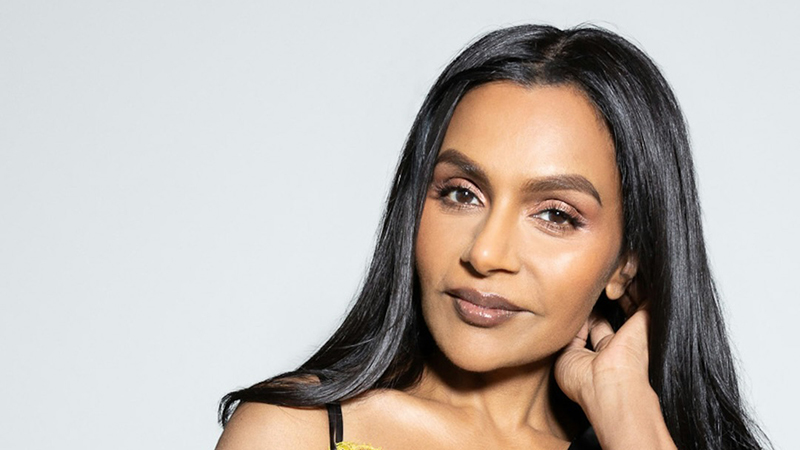
Mindy Kaling and the Power of AANHPI-Created Roles
Mindy Kaling has played a major role in expanding South Asian representation in mainstream American television. Through projects such as The Mindy Project, Never Have I Ever, and The Sex Lives of College Girls, she helped create space for South Asian women to be funny, flawed, romantic, ambitious, and central to the story.
These projects matter because they do not treat South Asian identity as a side note. They place identity inside broader human experiences such as friendship, grief, desire, education, family pressure, and self-discovery.
That is where authentic representation becomes powerful. It allows AANHPI characters to exist beyond explanation.
Why Writers’ Rooms Matter
Authentic AANHPI representation depends on who helps build the story. When writers’ rooms lack Asian American, Native Hawaiian, and Pacific Islander voices, cultural details can become shallow or inaccurate.
Common issues include:
- Stereotypes such as tiger moms, submissive love interests, exaggerated accents, and model minority tropes
- Characters whose backgrounds are mentioned but never explored
- Asian-inspired settings without Asian or Pacific Islander creative leadership
- Pacific Islander characters reduced to physical strength, mythology, or scenery
- Breakout roles that do not lead to sustained career opportunities
Better representation starts before casting. It begins when AANHPI voices help define the story, the conflict, the humor, and the emotional truth.
What the Data Says About AANHPI Representation
A 2024 study by McKinsey & Company in collaboration with Gold House found that AANHPI representation in film increased from 3% in 2002 to nearly 20% in 2022. The study also found that much of that growth came from films produced outside the United States, while U.S.-produced films accounted for a smaller share. [External citation placeholder]
The same research reported that many AANHPI consumers remain dissatisfied with the authenticity of their on-screen representation. [External citation placeholder]
That distinction matters. More characters do not automatically mean better stories.
Visibility Is Not the Same as Authenticity
AANHPI characters can be visible and still be poorly represented. Authenticity requires cultural care, narrative complexity, and creative authority.
Audiences are asking sharper questions:
- Is the character central to the story?
- Does the character have personal goals beyond serving another lead?
- Are cultural details specific rather than generic?
- Were AANHPI writers, directors, or producers involved?
- Does the role challenge stereotypes instead of repeating them?
- Does the project create future opportunities for AANHPI talent?
These questions move the conversation beyond simple diversity counts. They focus on power, authorship, and long-term change.
Why Asian American Native Hawaiian and Pacific Islander Heritage Month Belongs in Media Criticism
Asian American Native Hawaiian and Pacific Islander Heritage Month is not only a celebration of culture. It is also a reminder to examine the systems that shape public imagination.
Film and television influence how audiences understand identity, belonging, beauty, humor, family, and heroism. When AANHPI people are missing or misrepresented, those gaps affect how communities are seen.
When AANHPI artists control their own stories, the results are richer. Characters become more than symbols. They become people.
The Future of AANHPI Representation Requires More Than One Breakthrough
The future of AANHPI representation in film and television depends on sustained investment. A single successful film, show, or actor cannot fix decades of exclusion.
Hollywood must support AANHPI talent across every level of production. That includes emerging writers, independent filmmakers, casting directors, showrunners, and executives.
Progress should be measured not only by who appears on screen, but by who has the power to decide what stories get made.
What Meaningful AANHPI Inclusion Looks Like
Meaningful inclusion requires clear action:
- Cast AANHPI actors in lead roles across genres.
- Hire AANHPI writers for stories involving AANHPI characters.
- Support Native Hawaiian and Pacific Islander-led projects.
- Avoid using culture as a gimmick or visual aesthetic.
- Fund independent AANHPI filmmakers and showrunners.
- Build career pipelines beyond one breakout role.
- Let AANHPI characters be funny, messy, romantic, heroic, ordinary, and complex.
Authentic representation is not about perfection. It is about allowing communities to be seen in their full humanity.
Conclusion: AANHPI Stories Need Power, Not Just Presence
Asian American Native Hawaiian and Pacific Islander Heritage Month reminds us that representation has improved, but the work is unfinished. AANHPI communities have pushed Hollywood forward by creating the roles, shows, and films they were long denied.
The next step is not just more visibility. It is more ownership, better writing, deeper inclusion, and lasting opportunities for Asian American, Native Hawaiian, and Pacific Islander artists across film and television.
- Related: https://thenarrativematters.com/future-ready-voices-gen-z-are-looking-for-progressive-workplaces/
Learn more: Review the 2024 AANHPI representation study from McKinsey & Company and Gold House to support data on film and television representation trends.

About Future Ready Voices:
GenZ Future Ready Voices: GenZ is a dynamic blog spotlighting the insights, values, and evolving expectations of younger generations shaping today’s workplace and the broader world. It explores how emerging professionals think about leadership, purpose, inclusion, and innovation—offering a forward-looking lens on what comes next. While grounded in the perspectives of Gen Z and Millennials, the blog is designed for anyone willing to challenge assumptions and embrace new ideas. It creates a space where fresh thinking meets experience, encouraging meaningful dialogue across generations and inspiring leaders, organizations, and individuals to adapt, grow, and lead with greater awareness in a rapidly changing world.
#AANHPIHeritageMonth #RepresentationMattersm #HollywoodDiversity