

Articulated Insight – News, Race and Culture in the Information Age

Advancing women in global leadership is no longer just about celebratory campaigns or annual events like International Women’s Day. It is about examining what tangible progress looks like in practice. The real test for global organizations is whether they are building sustainable systems that expand opportunity and improve outcomes for female professionals.
According to the 2025 Promena Inclusive Leadership Index (PILI), multinational companies continue to invest heavily in career development. Even amid political shifts, global businesses recognize that driving female advancement requires measurable, operational strategies.
Key Shifts in Advancing Female Leaders
The 2025 PILI data reveals a clear shift in how organizations support their workforce. Companies are moving away from episodic events toward embedded talent infrastructure. This focus ensures women are supported, developed, and positioned to move into larger executive roles.
The data indicates a decline in highly visible, symbolic efforts. Instead, there is a surge in foundational mechanisms like Employee Resource Groups (ERGs), mentoring structures, and inclusion councils.
Symbolic vs. Operational Systems for Women’s Advancement
| Initiative Type | 2024 PILI Score | 2025 PILI Score | Trend |
|---|---|---|---|
| Women ERGs (Operational) | 91 | 100 | Increasing |
| Mentoring for Women (Operational) | 85 | 100 | Increasing |
| Assessment in Leadership (Operational) | 62 | 78 | Increasing |
| Global Women’s Summit (Symbolic) | 62 | 42 | Decreasing |
| Empowerment Pledges (Symbolic) | 15 | 5 | Decreasing |
*[Citation Placeholder: 2025 Promena Inclusive Leadership Index Data]*
Essential Processes for Women in Global Leadership
To successfully promote women globally, leading organizations are taking a highly disciplined approach. Structured processes ensure that opportunity is designed intentionally, especially in hybrid work environments.
Companies are standardizing fair assignment practices to prevent proximity bias. They are also implementing the following critical processes to support female talent:
- Scaling Formal Sponsorship: Assigning named executive sponsors, conducting structured talent reviews, and tying outcomes to specific promotion rates and stretch assignments.
- Embedding Pay Equity: Continuously monitoring pay bands, performance ratings, and offer negotiations rather than relying on periodic compliance checks.
- Creating Career Returnships: Building re-entry pathways for caregivers and professionals returning after an extended career break to capture experienced talent.
- Enhancing Wellbeing Infrastructure: Integrating mental health support, flexible leave, and caregiver benefits directly into the core talent sustainability strategy.
For related insights on fostering inclusive corporate communication, explore this guide on shaping equitable workplace narratives at thenarrativematters.com.
Building Cross-Cultural Leadership Readiness
Another notable priority is building cross-cultural leadership readiness. Women cannot successfully move into multinational positions without access to diverse, high-stakes experiences. This includes exposure to international assignments, cultural intelligence training, and direct profit-and-loss responsibilities.
Additionally, organizations are leveraging AI-enabled career pathing and skills marketplaces. By responsibly auditing these digital systems for bias, companies ensure fairness in hiring, evaluations, and succession planning. For more broader industry benchmarks, check out this [Suggested External Link: Annual Women in the Workplace Report by McKinsey & Company].
Ultimately, progressing female executives is becoming less about corporate declaration and more about rigorous discipline. By maintaining sustained investments and building accountable pathways, global companies are ensuring that half of the talent pool is fully equipped to innovate and lead.
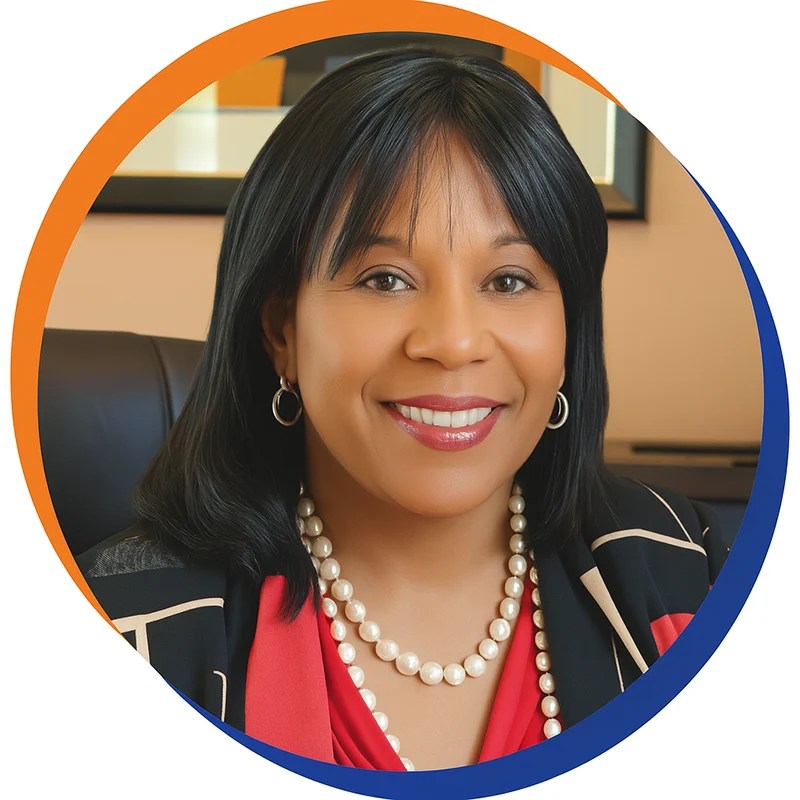
Pam McElvane, CEO, Author & Publisher, Promena Media
CEO | Master Coach | Board Governance Expert | Data Scientist | Strategist | Publisher
Pamela McElvane, MBA, MA, MCPC, is the CEO and founder of P&L Group, Ltd which has 3 key brands: Promena, 3I Research Institute & Diversity Learning Solutions, headquartered in Chicago, IL. Ms. McElvane has spent more than 25 years working with large and midsize companies providing insights and best practices, leadership and executive coaching, strategy, and organizational management.
About Promena (A P&L Group Brand)
Promena.Set the Standard (previously Diversity MBA) is a media, leadership, learning, research, and insights company dedicated to setting the standard for inclusion, equity, and performance. Through data-driven benchmarks, executive education, and thought leadership, Promena helps organizations turn inclusion from aspiration into a measurable business capability.
About Promena Insights
Promena Insights is the research and analytics division of Promena. It develops proprietary indices, benchmarks, and frameworks—including the Inclusive Leadership Index™ (ILI) and the Industry Inclusion Index (I³)—to measure inclusion maturity and guide evidence-based strategy for organizations and industries.
Contact for public speaking, coaching and leadership training opportunities:
833-362-2100 ext. 700 (Main)
#WomenInLeadership #GlobalLeadership #EquityInclusion