
Grocery store receipts seem to grow longer and more expensive with each passing month. Food prices have increased steadily over recent years, and experts suggest this upward trend will continue. When you are trying to maintain a healthy diet, these rising costs can put a heavy strain on your wallet. Finding fresh produce on a budget might feel like a challenge, but it is completely possible with the right shopping strategy.
You do not have to sacrifice nutrition to keep your grocery bills low. Certain staple items remain consistently cheap year after year. By focusing on these reliable options, you can feed your family well without overspending. In this guide, we will break down the top six affordable fruits and vegetables that offer the best nutritional value for your dollar. You will also learn practical storage tricks to ensure your food stays fresh and nothing goes to waste.
1. The Versatility of Celery
Celery often gets overlooked in the produce aisle, but it is a powerhouse when you want fresh produce on a budget. Its true value lies in how many different ways you can use it. You can chop it into salads for a refreshing crunch or toss it into stir-fries, hearty soups, and savory stews. It also serves as a perfect, hydrating snack when you crave something crunchy but want to avoid highly processed chips.
How to Store and Use Celery
To get the most out of your purchase, buy whole bunches rather than pre-cut stalks. Pre-cut options always come with a steep convenience markup. To keep your celery crisp for weeks, wrap the entire bunch tightly in aluminum foil before placing it in the refrigerator.
If you prefer to prep your vegetables ahead of time, wash and slice the stalks immediately after buying them. Place the cut pieces into an airtight container, fill it with fresh water, and store it in the fridge. This water-bath method keeps the stalks incredibly crisp and ready to eat whenever hunger strikes.
2. Bananas: The Perfect Budget Fruit
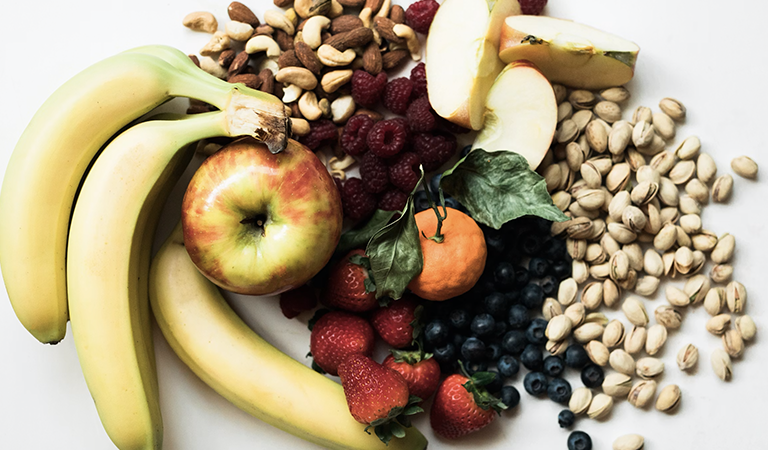
Fruit can sometimes be one of the priciest sections of the grocery store due to labor-intensive harvesting and short shelf lives. However, bananas buck this trend entirely. They remain one of the most budget-friendly produce options available anywhere. Bananas provide excellent energy, potassium, and natural sweetness, making them a fantastic addition to your daily routine.
How to Store and Use Bananas
You can eat bananas raw, slice them into morning oatmeal, blend them into smoothies, or bake them into delicious breads and pancakes. Because they ripen quickly, it helps to buy them slightly green if you do not plan to eat them right away.
Keep your bananas at room temperature on the kitchen counter or hang them on a banana hook to prevent bruising. Once they become too ripe and develop dark spots, do not throw them away. Peel them, toss them into a freezer-safe bag, and freeze them. Frozen bananas create the perfect creamy base for healthy smoothies or homemade dairy-free ice cream.
3. Potatoes for Lasting Fullness
If you want to stretch your grocery dollars, potatoes are your best friend. The price of potatoes has held remarkably steady over the years, making them a highly dependable choice. They are incredibly filling, versatile, and satisfying. While standard white or yellow potatoes are famously cheap, sweet potatoes cost only a little more and pack a massive nutritional punch, offering high levels of Vitamin C, potassium, and beta carotene.
How to Store and Use Potatoes
You can roast, mash, bake, or air-fry potatoes to serve as a hearty base for almost any meal. Try slicing them thin and baking them with black beans and salsa for a cheap, healthy take on nachos.
Potatoes are famously easy to store. Keep them in a cool, dark, and dry place—like a pantry or a lower cabinet. If stored correctly away from heat and light, a bag of potatoes can easily last for several months without sprouting or spoiling.
4. Crunching on Affordable Carrots
Carrots are another staple that proves you can easily find fresh produce on a budget. Whole, raw carrots are typically the least expensive option in the vegetable section. While peeled baby carrots cost slightly more, they still offer great value if you need a quick, zero-prep snack. Carrots add a wonderful natural sweetness to both raw and cooked dishes.
How to Store and Use Carrots
Carrots shine in a variety of culinary applications. You can dip raw sticks into hummus, shred them into salads, or roast them with olive oil and spices to bring out their natural caramelization. They also build a fantastic flavor base for soups and stews when paired with celery and onions.
To keep your carrots firm and fresh, remove any green leafy tops if they are still attached, as the leaves draw moisture away from the root. Wrap the carrots loosely in a slightly damp paper towel, place them inside a zip-top bag, and store them in the crisper drawer of your refrigerator.
5. Stretching Meals with Cabbage
When looking for affordable fruits and vegetables, leafy greens can sometimes be surprisingly expensive. Cabbage is the glorious exception. A single head of cabbage costs very little and yields a massive amount of food once chopped or shredded. It is dense, packed with fiber, and holds up incredibly well both raw and cooked.
How to Store and Use Cabbage
You can slice cabbage thinly to make a vibrant, crunchy coleslaw or use it as a crisp base for salads. If you prefer cooked vegetables, cabbage sautees beautifully with garlic and onions, or simmers perfectly into flavorful broths. Spiced Cajun cabbage makes a wonderful, cheap side dish that pairs well with almost any protein.
Store the entire, uncut head of cabbage directly in your refrigerator’s crisper drawer. It will stay fresh for weeks in this environment. Once you cut into the cabbage, wrap the remaining portion tightly in plastic wrap to prevent the exposed leaves from drying out or oxidizing.
6. Building Flavor with Onions
Onions are the unsung heroes of the kitchen. While the price might vary slightly depending on whether you buy yellow, white, or red varieties, onions almost always remain highly affordable. They provide the essential flavor foundation for countless savory meals across almost every cuisine. Onions also offer excellent potential health benefits, including antioxidants and anti-inflammatory properties.
How to Store and Use Onions
You can caramelize onions to top burgers, dice them raw for tacos, or cream them into a rich, savory side dish. Because they are so cheap, keeping a bag on hand ensures you always have a way to inject deep flavor into budget-friendly meals like rice and beans.
Like potatoes, whole onions thrive in a cool, dry, and dark environment with plenty of air circulation. However, you should never store onions and potatoes directly next to each other. Onions release moisture and gases that can cause potatoes to spoil much faster. Once you cut an onion, place the leftover pieces into an airtight container and keep them in the refrigerator.
Smart Strategies for Produce Storage
Buying budget-friendly produce only saves you money if you actually eat it before it goes bad. Proper storage is the key to preventing food waste. Produce generally falls into two categories: items that need refrigeration and items that prefer room temperature.
Keep foods like apples, broccoli, leafy greens, berries, and carrots in the refrigerator. Leave items like citrus fruits, melons, garlic, and squash on the kitchen counter. Fruits like avocados, peaches, and plums should sit on the counter until they ripen, and then move to the fridge to halt the ripening process.
Pay attention to ethylene gas, a natural compound emitted by certain fruits like ripe bananas, apples, and tomatoes. This gas causes nearby produce to ripen and rot rapidly. Keep your ethylene-producing fruits far away from sensitive items like leafy greens to ensure all your hard-earned groceries stay fresh and delicious.
#BudgetFriendly #HealthyEating #GroceryTip