
Detroit’s Solar Power Plan Reinvents Struggling Communities
Detroit is taking bold steps to reshape its future with a forward-thinking solar power plan. The city’s Neighborhood Solar Initiative, driven by the vision of Mayor Mike Duggan and the Detroit Climate Strategy, aims to not only address climate change but also breathe new life into disinvested neighborhoods. With ambitious goals of achieving 100% renewable energy for municipal buildings by 2034, the initiative works to fuse sustainability with community revitalization. Here’s a closer look at how Detroit is leveraging renewable energy to build resilience and equity.
Solar Neighborhoods: Blending Green Energy and Community Revival
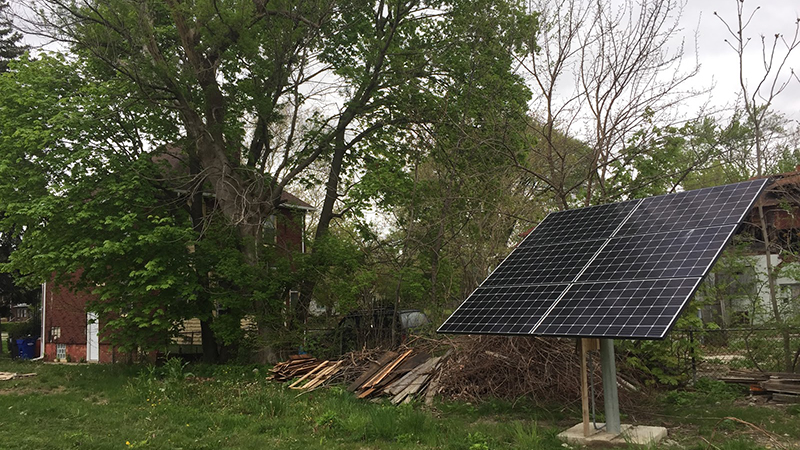
The heart of Detroit’s solar power strategy lies in repurposing vacant lots into solar fields. These fields will generate solar energy to offset electricity costs for city buildings, including police stations, recreation centers, and City Hall. With the first phase covering 103 acres across three neighborhoods, the Van Dyke/Lynch, State Fair, and Gratiot/Findlay areas, this initiative will produce a staggering total of 33 megawatts of energy once completed.
But the plan goes far beyond solar panels. Solar Neighborhoods aims to restore neglected spaces, reduce illegal dumping, and foster economic empowerment. Each solar array site will bring tangible benefits to residents, ranging from upgraded homes to energy-efficient appliances. Renewables, combined with thoughtful community upliftment, are the foundation of Detroit’s vision for these underserved neighborhoods.
Centering Community Voices in Solar Decisions
Detroit’s solar plan is not just about energy—it’s about inclusion and empowerment. Leading up to the finalization of the first three solar neighborhoods, extensive community engagement sessions ensured that residents were not only informed but actively involved in decision-making. The city held over 60 neighborhood meetings with the support of local solar experts, environmental nonprofits, and community groups. These Neighborhood Solar Partners, including EcoWorks, Green Door Initiative, and Sustainable Community Farms, have played an instrumental role in technical evaluations and resident engagement.
The approach emphasizes that real change happens when the needs, hopes, and challenges of locals are prioritized. Rigorous engagement ensures that solar arrays are sited in locations where they create maximum environmental and social impact while respecting long-standing residents’ wishes.
Transformative Benefits for Residents
The Neighborhood Solar Initiative delivers more than energy savings—it delivers hope and opportunity. Residents within the solar project footprints are offered a suite of benefits tailored to support stability and improve quality of life. Homeowners who relocate will receive compensation that far exceeds market rates, alongside moving assistance. Renters won’t be left behind; they’re provided with 18 months of rent and moving support.
Those who remain in the vicinity of the solar arrays won’t miss out either. Each impacted home is eligible for energy-efficient upgrades valued at $15,000 on average. These upgrades can include enhanced insulation, new windows, smart thermostats, or even solar panels. For residents, these improvements mean reduced energy bills—by as much as 20%—and increased comfort and safety in their homes.
Creating a Green and Equitable Detroit
At its core, the initiative is designed to serve as both a climate solution and a driver of equity. By choosing areas most affected by disinvestment, Detroit’s solar plan addresses both immediate needs and long-standing issues of equity. Beyond clean energy, this project creates pathways to job opportunities, wealth-building, and a better quality of life for its residents. The plan also includes provisions for future flexibility, such as the requirement for solar sites to be returned to the city as greenfields once the panels have completed their lifecycle—ensuring the land remains an asset for generations to come.
Challenges and Next Steps
Though promising, Detroit’s green energy transformation doesn’t come without challenges. One of the significant hurdles is managing the uncertainty for neighborhoods still in the running for future solar projects. To address this, the city has established a $4.4 million equity fund to support residents who wish to sell their homes while they await further updates. This ensures transparency and stability while safeguarding homeowners’ interests.
The first phase of the solar arrays is set to begin construction in late Fall 2024, with future neighborhoods under consideration for Phase 2 in 2025. It’s a long-term effort requiring ongoing collaboration among residents, nonprofits, and local governments.
A New Chapter for Detroit
Detroit’s Solar Neighborhood Initiative marks a pivotal moment in the city’s history. By turning vacant lots into hubs of green energy and community revival, the city is shining a light on what’s possible when innovation meets inclusion. This is more than just a climate action—it’s Detroit’s way of rewriting the future for its neighborhoods, one solar panel at a time.
If successful, this plan could not only transform Detroit but serve as a trailblazing model for other cities grappling with issues of energy transition and urban decline. Through a blend of renewable energy and people-first policies, Detroit demonstrates how sustainability and equity can go hand in hand on the path toward a brighter, cleaner future.
Keywords: Detroit solar power, Neighborhood reinvestment, Urban sustainability, Renewable energy Detroit, Community solar projects
#DetroitSolar #UrbanRenewal #Sustainability