


In today’s rapidly changing world, the role of community activism has become more significant than ever. This blog explores how grassroots movements are influencing political landscapes and shaping our collective future. By examining the power of individuals coming together, we can understand the vital impact they have on societal change.
Understanding Community Activism
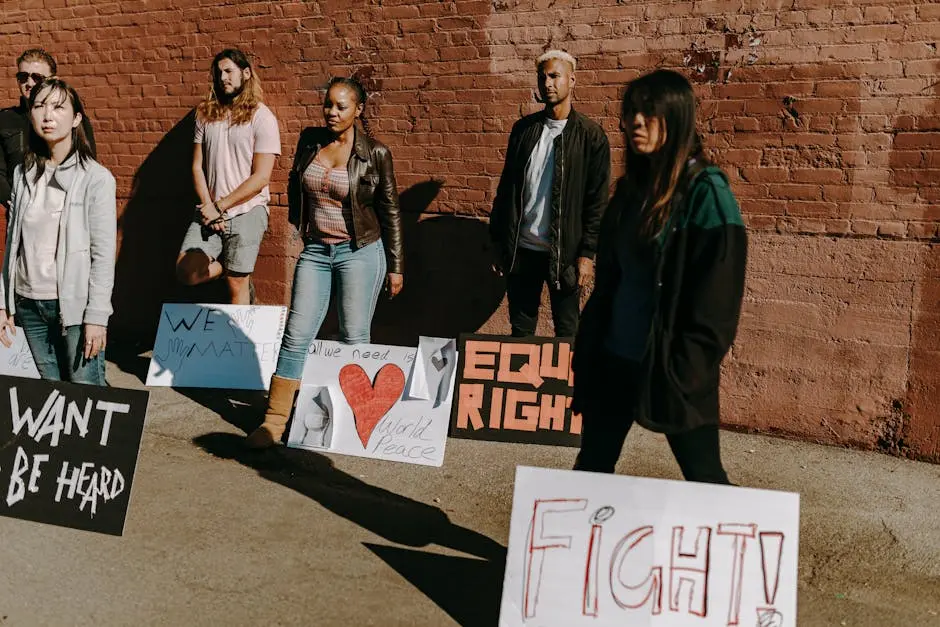
Community activism is fundamentally about people banding together to advocate for change. At its core, it fosters a sense of belonging and empowerment, connecting individuals who share common goals. Whether it’s addressing local issues like inadequate public services or larger societal injustices, the spirit of community activism drives collective action. This united approach is essential for building neighborhoods that reflect the values and needs of their residents.
The significance of community activism cannot be understated. It creates pathways for citizens to voice their concerns and influence decision-makers. Importantly, community activism isn’t just a reaction to problems; it’s a proactive strategy that showcases the potential of neighbors working together.
The Historical Context of Activism
To truly understand the impact of today’s community activism, we must examine the historical roots of these movements. From the Civil Rights Movement to environmental initiatives, history shows us that collective action has often led to significant change. These movements set precedents that inform and inspire current activists, highlighting the power of unity in challenging systemic injustices.
Key figures like Martin Luther King Jr. and grassroots organizations have paved the way for future generations, demonstrating that change is possible when people come together. By learning from past successes and failures, today’s activists can refine their strategies.
Furthermore, understanding the historical context allows us to appreciate the struggles that many communities face today. As we look back, we can see the threads of perseverance and hope that continue to inspire new movements today.
The Role of Social Media in Activism
Social media has revolutionized the way community activism unfolds. Platforms like Twitter, Facebook, and Instagram provide a forum for individuals to share their narratives, mobilize their peers, and rally support for causes they care about. With just a few clicks, an idea can spread like wildfire, reaching thousands in a matter of minutes. This instantaneous communication ensures that issues garner the attention they deserve.
It’s important to note that while social media acts as a powerful ally, it also poses unique challenges. Misinformation can proliferate just as quickly, creating confusion and division within communities. However, when used responsibly, these platforms can illuminate important topics that might otherwise remain in the shadows.
Moreover, the visual element of social media allows activists to craft compelling narratives that resonate with a broader audience. From impactful images to short videos, storytelling becomes a key tool in driving engagement and inspiring action.
Case Studies: Successful Community Movements
Examining successful community movements provides valuable insights into the mechanics of effective activism. For instance, the recent push for climate action has seen unprecedented collaboration. Local grassroots organizations have united with national groups, generating significant policy changes and raising awareness about sustainability.
Similarly, the movement advocating for racial justice has mobilized individuals from all walks of life, demonstrating the power of intersectionality in activism. These movements remind us that activism is not limited to specific demographics; rather, it thrives when diverse voices contribute to the dialogue.
These case studies showcase not only the strategies employed but also the resilience and adaptability of activists who face opposing forces. By highlighting shared victories, we can learn how to build on our successes and address challenges that lie ahead.
Getting Involved: How to Engage in Community Activism
Feeling inspired to engage? Community activism is accessible to everyone. Start by identifying local organizations that align with your interests. Whether it’s environmental protection, social justice, or public health, there’s likely a group already making strides in that area. Joining these organizations allows you to connect with like-minded individuals and learn from their experiences.
Additionally, attending community events such as town halls or workshops can offer insights into pressing local issues. These gatherings not only educate but also provide opportunities to voice your opinions and advocate for change. Every little action contributes to the larger movement.
Don’t underestimate the power of small acts. Writing letters to local representatives or spreading the word about important initiatives online can amplify voices and inspire action in your community.
Future Trends in Community Activism
As we look to the future, it’s clear that community activism will continue to evolve. Emerging trends such as climate justice, racial equity, and digital advocacy reflect the shifting priorities of younger generations. Activists are increasingly finding innovative ways to leverage technology, ensuring their messages resonate in a rapidly changing landscape.
However, with new technologies come new challenges. Privacy concerns and potential backlash can deter individuals from active participation. Therefore, maintaining a balance between leveraging technology for outreach while protecting personal information will be crucial.
In conclusion, the future of community activism marries tradition with innovation. By building on the foundations laid by past movements and adapting new strategies, activists can continue to play a pivotal role in shaping our society.
Empowering Change Through Activism
Community activism is not just a moment; it’s a movement that continues to grow and evolve. By engaging with our communities, we pave the way for a brighter, more equitable future. Together, we can make a difference, one action at a time.
