
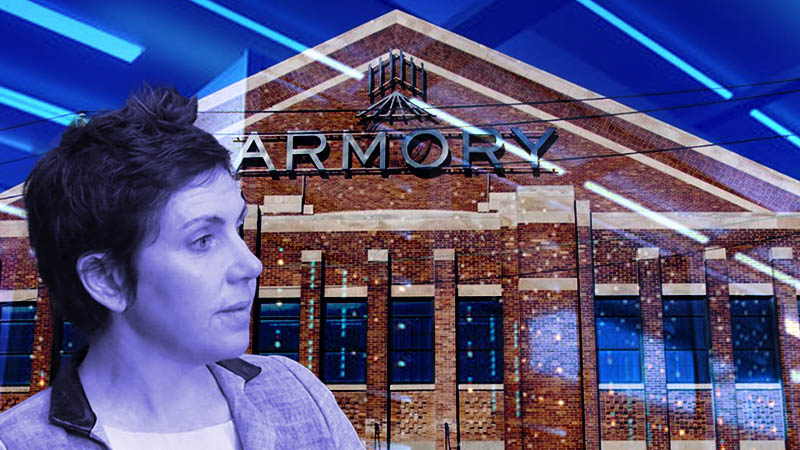
St. Louis Data Center Approval: St. Louis is making a massive leap forward in technology infrastructure. On April 21, 2026, the St. Louis Board of Public Service unanimously approved a conditional use permit for a new $3 billion, 30-megawatt data center. Located near the historic Armory in Midtown, this project marks a major milestone for local economic development.
Large-scale developments often bring a mix of excitement and apprehension. Residents naturally worry about noise, pollution, and the strain on local utilities. However, Mayor Cara Spencer and city officials took a proactive approach to this project. They prioritized community feedback, resulting in strict operational conditions that protect the neighborhood while securing massive economic advantages.
This post breaks down everything you need to know about the new Midtown data center. We will explore the sweeping economic benefits, the environmental protections in place, and how this project sets a new national standard for responsible urban development.
[mcb-block id=235317]A Balanced Approach to Tech Expansion
Data centers form the backbone of modern internet infrastructure. They house the physical servers that keep our apps, websites, and cloud services running. Because these facilities require massive amounts of power and cooling, they can severely impact local resources if left unchecked.
St. Louis leaders understood these risks from the beginning. Instead of handing over a blank check to developers, the city negotiated a comprehensive framework to hold the operators accountable. The final agreement proves that a city can welcome heavy tech investments without sacrificing the quality of life for its residents.
Establishing Strong Community Benefits
To ensure the project directly supports the local area, the city implemented a robust Community Benefits Agreement (CBA). The developer must pay a $15 million lump sum directly into a city-controlled fund. Local leaders will use this fund to finance neighborhood projects, upgrade local parks, and support community-driven initiatives.
This upfront payment guarantees that the neighborhood sees immediate, tangible improvements long before the servers even turn on. It shifts the dynamic from a one-sided corporate expansion to a genuine partnership between the tech industry and the people of St. Louis.
Mandating Strict Environmental Standards
Environmental protection stood at the forefront of the city’s negotiations. Data centers use enormous amounts of electricity, which can increase local pollution if that power comes from fossil fuels. To combat this, the conditional use permit requires the facility to source at least 50% of its energy from renewable sources within its first five years of operation.
Furthermore, the city completely prohibited cryptocurrency mining at this location. Crypto mining operations notorious for draining power grids and offering very few permanent jobs in return. By banning this practice, St. Louis ensures the facility serves productive, sustainable technology sectors rather than highly volatile energy drains.
Driving Massive Economic Growth in Midtown
The financial projections for this development are staggering. By transforming an underutilized area near the Armory into a high-tech hub, St. Louis secures a long-term revenue stream that will benefit residents for decades.
A Historic Boost in Tax Revenue
Over its first ten years, the data center will generate an estimated $432 million in new tax revenue. This massive influx of cash will completely transform local public funding.
The St. Louis Public Schools system will receive $206 million from this revenue pool. This funding can build new facilities, upgrade educational technology, and increase teacher salaries, fundamentally altering the educational landscape for thousands of students. Additionally, the city government will receive $139 million to fund public safety, road repairs, and essential civic services.
Creating Meaningful Local Jobs
A $3 billion construction project requires a massive workforce. Building the facility will create more than 1,000 well-paying construction jobs, providing a substantial boost to the local building trades. Once the facility becomes fully operational by the end of 2028, it will support approximately 200 permanent, on-site positions. These roles include IT technicians, facility managers, security personnel, and maintenance staff.
To ensure the developers keep their promises, the city included strict financial penalties in the agreement. If the data center fails to meet its job creation or revenue targets, the operators must pay the city for the lost compensation. This accountability measure guarantees that the economic benefits remain guaranteed, rather than just empty corporate promises.
Upgrading Essential Water Infrastructure
One of the most surprising benefits of this project involves the city’s water system. Data centers require significant amounts of water for their advanced cooling systems. While some worry this might strain local supplies, adding a massive water user actually benefits the everyday residents of St. Louis.
Maintaining a municipal water grid requires constant, expensive upkeep. Right now, everyday residents shoulder the majority of those maintenance costs through their utility bills. By adding a massive, high-volume consumer to the network, the city can distribute those fixed maintenance costs over a much larger consumption base. Moving a large portion of the infrastructure burden onto the data center helps stabilize utility rates for regular homeowners and small businesses.
Setting a National Standard for Development
Mayor Cara Spencer noted that St. Louis is doing the hard work to create thoughtful, community-centered regulations. Many cities rush to approve high-tech projects, often giving away massive tax breaks while asking for very little in return. St. Louis took the exact opposite approach.
By securing upfront community funds, mandating renewable energy, protecting the water grid, and enforcing strict financial penalties for missed targets, the city built a blueprint for modern development. This project balances the very real concerns of neighborhood residents with the undeniable economic benefits of the tech industry.
The Midtown data center proves that economic development and community preservation can exist side by side.
Stay Informed on Local Growth
The data center expects to reach full operational capacity by the end of 2028. As construction begins near the historic Armory, you will see Midtown continue to transform into a vibrant center for commerce and technology.
Stay engaged with your local government to track the progress of this historic project. Review the full Community Benefits Agreement, explore the environmental conditions, and learn exactly how the city plans to distribute the upcoming tax revenue. Reach out to your local representatives to discover how these new funds will directly impact your neighborhood.
Related article: Metro East St. Louis News: Community Concerns Over Data Centers in Metro East
#StLouisGrowth #DataCenterDevelopment #CommunityImpact