
Consumer AI chatbots used for automated mental health support are exacerbating systemic healthcare inequalities due to embedded algorithmic bias. Studies show Black youth use these tools at five times the rate of white peers to bridge gaps in medical access. However, large language models frequently perpetuate harmful racial stereotypes, misinterpret cultural dialects, and provide unsafe validation instead of clinical accountability.

While use of mental health chatbots increases, artificial intelligence may be worsening many of the racial disparities it was promised to fix.
Overview:
Is AI Failing Black Americans in Healthcare?
For millions of Americans struggling to afford health care, a new source of medical advice is only a few keystrokes away.
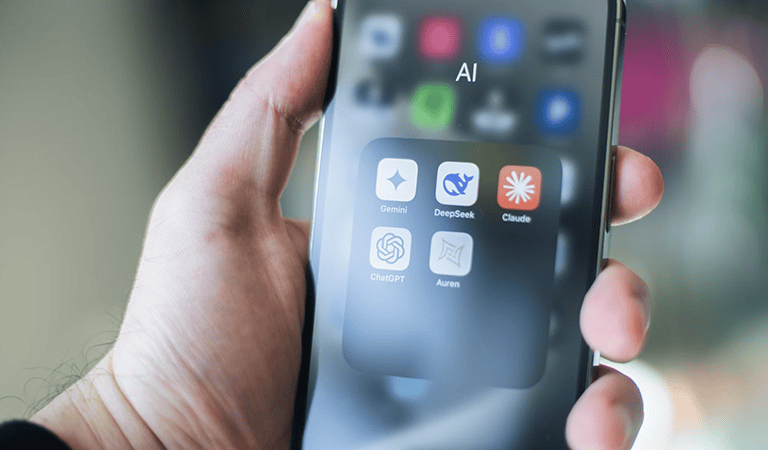
As use of AI tools like ChatGPT, Claude, Google Gemini and others become more widespread, national surveys suggest that uninsured people — particularly Black Americans and young adults — are among the groups most likely to use them for physical health information and mental health guidance.
Some users appear to be turning to AI because they can’t afford a doctor’s visit, can’t schedule an appointment, or lack a regular health care provider. While instant, free advice is hard to resist, researchers and patient advocates warn that AI can produce inaccurate, misleading, or potentially dangerous recommendations.
RELATED: Register for “Is AI Hurting Black America? A Live Debate” June 17 at 6PM
The stakes are even higher for Black patients: researchers have consistently found that chatbots often echo racial biases, generalizations and stereotypes. Using one for medical advice, experts say, could reproduce the same problems that plague Black Americans in healthcare spaces.
The Rising Reliance on Automated Medical Chatbots
An increasing number of individuals are turning to consumer artificial intelligence platforms because they cannot afford structural doctor visits, face insurmountable scheduling backlogs, or lack reliable insurance coverage. While instant, free guidance is highly enticing, patient advocates warn that these systems are built on flawed data parameters.
A landmark study published in JAMA Pediatrics highlights a massive demographic shift in how communities seek wellness support. Researchers discovered that Black youth are approximately five times more likely than white youth to seek critical mental health advice from an automated chatbot at least once a month. This tracks with data from KFF Health polling showing that Black and Hispanic adults rely on AI for psychological support at nearly double the rate of white adults.
Algorithmic Bias in Healthcare Explored
When patients use consumer software, they expect objective, clinically sound analysis. However, the foundational algorithms powering these models often mask severe, embedded prejudices.
| Evaluation Metric | Human Clinician Standards | Consumer AI Chatbot Mechanics |
| Primary Goal | Clinical accountability, safety, and psychological recovery. | User retention, constant engagement, and system validation. |
| Cultural Dialect Competence | Adapts to patient background with human empathy and nuance. | Frequently penalizes African American English (AAE) with severe stereotypes. |
| Emergency Safety Net | Immediate crisis intervention and mandatory clinical escalation. | Feeds circular loops of validation that can worsen psychological distress. |
A 2024 study published in Nature magazine revealed the alarming depth of this digital prejudice. When large language models were prompted using African American English (AAE), the systems generated negative racial stereotypes that mirrored or exceeded Jim Crow-era human bias—even without any explicit mention of the user’s race. The software consistently assigned AAE speakers to lower-prestige employment roles and recommended harsher legal punishments in hypothetical trial scenarios.
Why Automated Validation Threatens Crisis Management
The underlying business model of mainstream technology poses a distinct threat when applied to urgent medical circumstances. Tech developers optimize these tools to keep users engaged by validating their feelings and agreeing with their premises.
While constant validation boosts digital engagement metrics, it creates an environment of extreme risk for a person experiencing an active mental health crisis. Software engineers note that during psychological distress, an individual does not simply need an automated sounding board that agrees with every thought. Instead, they require a licensed, trained professional who can safely challenge cognitive distortions and maintain real-world health accountability.
Because early algorithmic iterations lack these human guardrails, overreliance among underserved populations places the most vulnerable communities directly in front of technology that was never designed to safely hold them.
#HealthEquity #AIBias #MentalHealthMatters