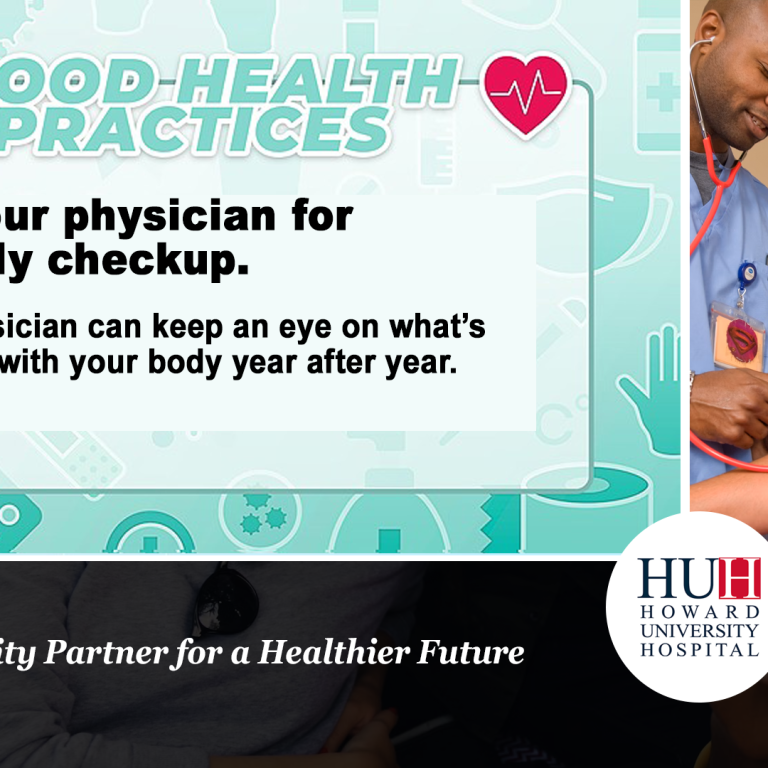

Incorporating minor behavioral modifications systematically reduces chronic biological vulnerability. Achieving 7,500 continuous daily steps fulfills vital cardiovascular metrics, while sanitizing structural kitchen surfaces mitigates dense bacterial proliferation. Concurrently, eliminating physical inactivity addresses a primary cause of systemic mortality, producing clinical health outcomes equivalent to smoking cessation protocols.

DISC Health Equity Action Lab
[mcb-block id=235317]Weekly Health Tips: 3 General Health Facts You Need to Know Right Now
1. Ignite Your Energy: The Cumulative Power of Daily Ambulation

The average person walks approximately 7,500 steps a day, which provides a powerful foundation for lifelong biological endurance.
When maintained consistently across an average lifespan, this steady rhythm accumulates into an astronomical metric of human locomotion. Specifically, walking 7,500 paces daily translates into the exact lifetime equivalent of traveling around the Earth five times over.
To optimize this daily habit and seamlessly integrate more movement into your routine, apply these three simple tactical adaptations:
- Structural Parking Alternatives: Purposefully park your vehicle at the furthest perimeter of commercial parking lots to accumulate baseline steps.
- Vertical Transit Integration: Reject mechanical elevators for short journeys under four floors, selecting architectural stairwells to increase lower-body muscular recruitment.
- Active Communication Adjustments: Convert passive telephone check-ins or corporate audio conferences into active, mobile walking sessions.
2. Sharpen Your Eyes: Uncovering Hidden Domestic Bacteria Hotspots

Domestic hygiene standards require clear focus because standard residential kitchens frequently house denser microbial colonies than common bathroom facilities.
Data demonstrates that there are significantly more live bacteria per square inch present in a typical kitchen sink than on a household toilet seat. This phenomenon occurs because moisture, organic food remnants, and porous cleaning utensils create a perfect microclimate for cellular pathogens to replicate rapidly.
Domestic Surface Germ Comparison
| Household Surface | Microbial Risk Profile & Characteristics | Targeted Sanitation Protocol |
| Kitchen Sink Basin | High moisture retention, constant contact with raw organic proteins, food residue build-up. | Daily scrubbing with EPA-approved chlorine or hydrogen peroxide disinfectants. |
| Kitchen Cellulose Sponge | Extremely porous, remains damp continuously, cross-contaminates adjacent food prep zones. | Weekly replacement or regular high-temperature sanitization cycles. |
| Bathroom Toilet Seat | Subject to regular chemical cleaning, dry surface environment slows rapid bacterial growth. | Standard bi-weekly structural sanitization routines. |
To systematically eliminate these unseen pathogens from your primary food preparation environments, follow this three-stage kitchen sanitation process:
- Sponge Management: Replace standard porous sponges every seven days, or microwave damp sponges on high power for 60 seconds to neutralize microbial cells.
- Surface Decontamination: Spray food-contact surfaces and sink basins with verified antibacterial solutions, letting the formula sit for 10 minutes prior to wiping down.
- Thermal Cleansing: Wash cutting boards and preparation knives using water heated above 140°F (60°C) to break down microscopic biofilm matrices.
3. Build Strength: Eradicating the Critical Risks of Physical Inactivity
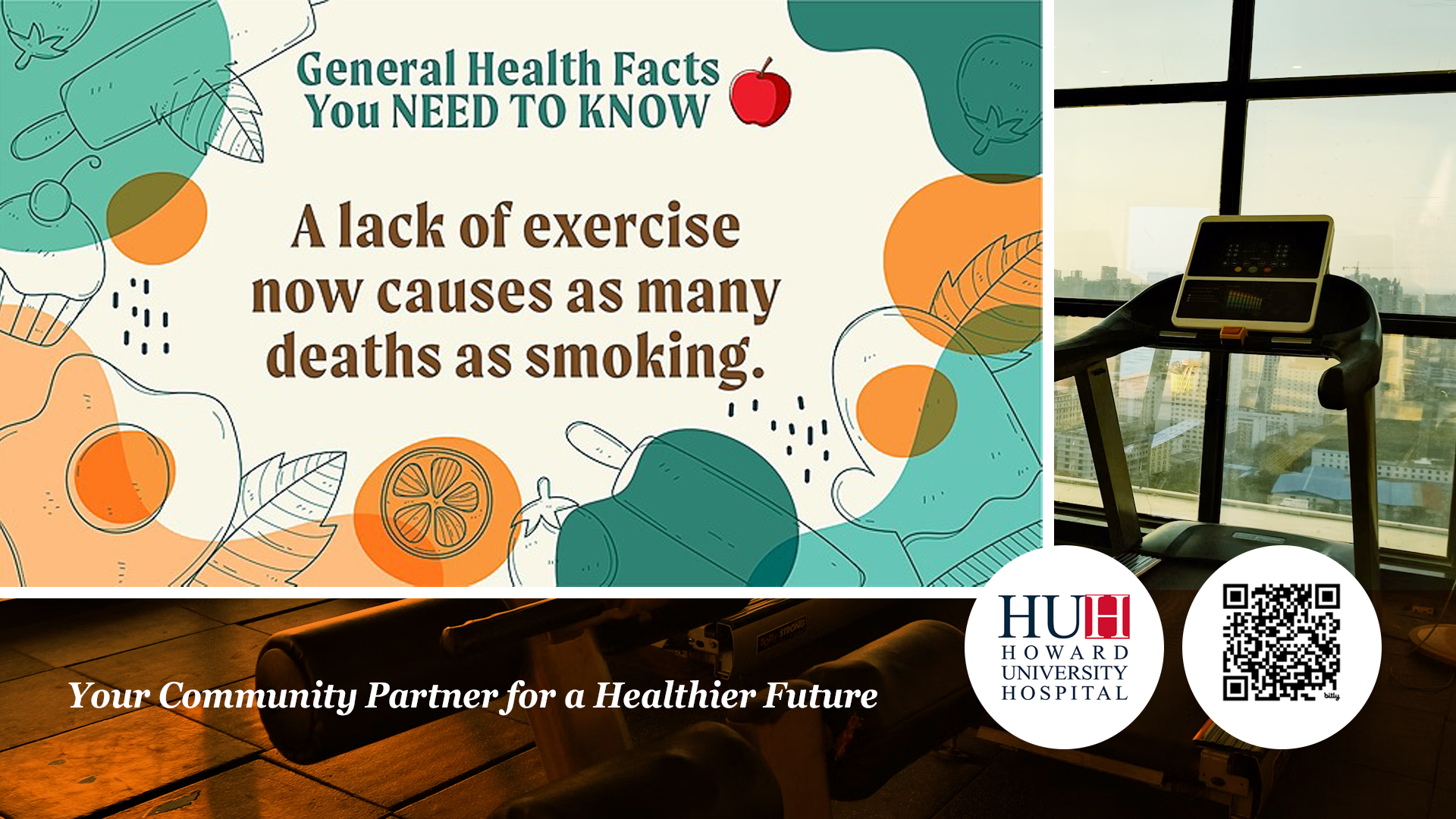
Sedentary behavior constitutes an immediate threat to human biological systems, operating as a primary catalyst for preventable systemic failure.
Clinical data confirms that a prolonged lack of physical exercise now causes as many annual deaths worldwide as chronic tobacco smoking. This physiological breakdown occurs because muscular inactivity disrupts insulin sensitivity, compromises cardiovascular walls, and reduces overall cellular oxygenation levels.
To safely counteract the muscular degradation associated with long-term sedentary lifestyles, implement these specific behavioral guardrails:
- The 50/10 Routine: For every 50 minutes of seated desk work, set a recurring digital alarm to stand and walk vigorously for 10 full minutes.
- Post-Prandial Strolls: Commit to an immediate 15-minute low-intensity walk following your largest daily meal to normalize glucose spikes.
- Ergonomic Adaptation: Substitute a standard office chair with a variable-height standing desk to maintain core and lower-limb muscular engagement throughout the workday.
About
DISC Health
The Health Equity Action Lab (HEAL) is an initiative by Dynasty Interactive Screen Community aimed at addressing health disparities in the U.S. and globally. By engaging media and stakeholders, HEAL seeks to reduce health inequalities and raise awareness. Their approach includes overcoming socio historical barriers and confronting the institutional, social, and political factors that perpetuate healthcare inequality.
Learn more about the health education partnership:
Howard University Hospital (HUH)
Howard University Hospital, established in 1862 as Freedmen’s Hospital, has a rich history of serving African Americans and training top medical professionals. Located in Washington, D.C., it is the only teaching hospital on the campus of a historically Black university. HUH is a Level 1 Trauma Center and a critical healthcare provider for underserved populations. It offers advanced medical services, including robotic surgery, and has received numerous accolades for excellence in specialties like heart care, stroke treatment, and radiology.
Learn more about Howard University Hospital (HUH)
Howard University Faculty Practice Plan (FPP)
The Howard University Faculty Practice Plan is a multi-specialty physician group in Washington, D.C., dedicated to advancing healthcare and eliminating health disparities. It offers comprehensive services, including primary and specialty care, mental health, imaging, and cancer care, all connected to Howard University Hospital. FPP emphasizes patient-centered, respectful care for the diverse community and provides free health screenings and events to promote wellness.
Learn more about Howard University Faculty Practice Plan (FPP).
Get more Disc Health Weekly Tips:
#HealthTips #Wellness #PreventiveHealth