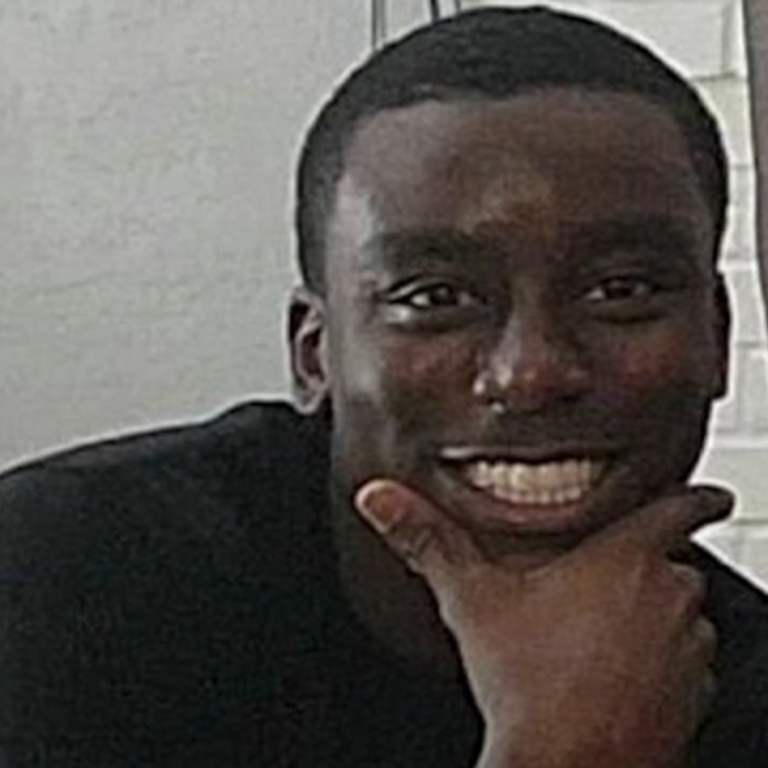

A Black teen’s death in North Carolina has reignited public distrust of official suicide rulings, with community members questioning whether Juliana Nzita’s case is being investigated thoroughly enough.

Juliana Nzita’s death is added to the ever-growing list of Black Americans found dead under strange circumstances.
[mcb-block id=235317]Once again, a Black young person has been found hanged to death in a public space in the Deep South, the second time in less than a year. Once again, local authorities say it was suicide and warrants no further investigation.
And, once again, some Black Americans aren’t buying it.
Judging by reactions on social media, the death of 16-year-old Juliana Nzita — found hanging from a tree on the grounds of a church near Charlotte, North Carolina — shouldn’t be a closed case. Indeed, Nzita’s death has ignited anger, spurred suspicion and triggered painful historical memories across social media and inside several Black communities.
Echoes of Painful History
Like the case of a 21-year-old college student whose body was discovered last September under similar circumstances in Mississippi, Nzita’s death raises the specter of an old and deeply American pattern. It echoes the terror lynchings of the Jim Crow South, an era in which Black families and civil rights advocates questioned official explanations surrounding mysterious hangings.
While police classified her death as a suicide, critics point to unanswered questions, limited public information, and echoes of crimes that have never gotten justice.
The teenager had been reported missing on April 28; a community member named Kenneth Tolbert made the discovery, told church officials, then dialed 911. Charlotte-Mecklenburg Police Department officers then found Nzita’s body on May 8, 2026, on property belonging to The United House of Prayer for All People.
#JulianaNzita #CharlotteNews #JusticeAndAccountability