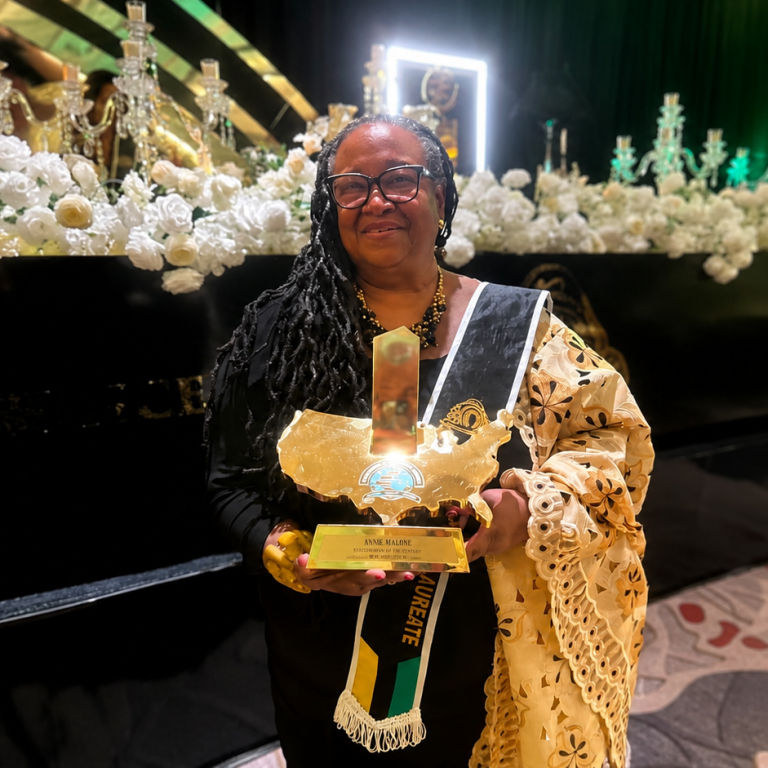

Amy Hunter, a trailblazer in diversity, equity, and inclusion, emphasizes actionable equity work, measurable outcomes, and the legacy of Black women leaders. Her leadership highlights the importance of honesty, access, and removing barriers to create lasting change.

As International Black Women’s History Month comes to a close, The Narrative Matters concludes this series with a conversation that is both timely and necessary.
Amy Hunter has spent decades working in diversity, equity, and inclusion—long before it became a headline, a debate, or a corporate mandate. What she offers is not just theory. She brings a lived experience, a grounded perspective, and a clear understanding that equity work has always been about more than language. It is about access, responsibility, and ultimately, people.
Read on to discover how Hunter’s journey redefines workplace equity, dispels common misconceptions, and highlights the profound impact of Black women leaders.
A Calling to Equity Work, Not a Trend
Hunter’s journey into diversity, equity, and inclusion began in the late 1990s. She joined an ambitious St. Louis initiative aimed at ending discrimination within a defined timeline.
“I was young, coming out of recruiting, trying to figure out my next step,” she recalls. “And two Black women spoke my name in a room I wasn’t in.”
At just 26 years old, she accepted a role leading diversity efforts across the Midwest. This unique opportunity shaped the entire trajectory of her career.
“That moment stayed with me,” she says. “Because it reminded me that this work isn’t just about what you do—it’s about who is willing to advocate for you and who you’re willing to advocate for next.”
Overcoming Misconceptions in Diversity, Equity, and Inclusion
Despite decades of progress, Hunter notes that one major misconception continues to dominate conversations around diversity, equity, and inclusion. Many assume that people of color receive unearned advantages.
Her response to this myth is direct.
“I’ve worked at eight companies, and I can tell you—people of color are usually more than qualified,” Hunter explains. “What people are seeing now is access. Opportunities that weren’t available before are opening up.”
She emphasizes a critical point: “That’s not unfair advantage. That’s long overdue.”
What True Inclusion Looks Like in Practice
For Hunter, meaningful inclusion goes far beyond symbolic corporate gestures.
“It’s not food and festivals,” she states. “That might have been where the conversation started, but we’ve moved past that. Now it’s about outcomes.”
Measurable Outcomes for Success
Effective equity work demands measurable results. Organizations must focus on:
- Equitable pay: Ensuring fair compensation across all demographics.
- Access to advancement: Removing systemic barriers to leadership roles.
- Retention and promotion: Keeping diverse talent and helping them grow.
Hunter offers a simple but powerful example of actionable change. At one organization, a tuition assistance program existed, but employees had to pay upfront and wait for reimbursement. Because of this financial barrier, only a handful of employees used the benefit.
“I changed it,” she says. “We paid the school directly, upfront. Now about a hundred people use it every year. That’s equity. It’s removing the barrier—not just offering the benefit.”
Leadership Requires Honesty and Courage
Hunter is known for her candor. She understands that honesty is not always comfortable, but it remains essential for true progress.
“The courage to name what’s really happening—that’s leadership,” she says. “If we don’t say it, we can’t fix it.”
Avoiding difficult conversations only delays progress. Hunter believes that if leaders fear naming the problem, they inadvertently signal that they do not believe change is possible.
Breaking Past Scarcity Thinking
Much of the resistance to equity work is rooted in a scarcity mindset.
“There’s this belief that there isn’t enough—enough jobs, enough opportunity,” Hunter observes. “But that’s not true.”
She argues that fear drives this resistance. People worry that if someone else gains access, they will lose their own standing. Most people want everyone to have a good life, but they fear losing their own comfort in the process.
When Perspective Shifts
Hunter describes a pivotal moment during a period of social unrest when her own perspective evolved.
“I used to think certain things were just part of life—things you had to accept,” she says. “And then I watched young people challenge that.”
She asked herself a simple but powerful question: What if they’re right? What if this doesn’t have to be the way it is?
That shift from acceptance to possibility redefined how she approached her career.
Building a Legacy Through Black Women Leaders
When asked about her legacy, Hunter does not point to impressive titles or corporate accomplishments. She points to people.
“The small things matter,” she says. “Encouraging someone to keep going. Helping someone access an opportunity they didn’t think was possible.”
Those quiet moments are where real impact lives. She hopes people will simply remember that her actions helped them live their lives more fully.
Next Steps: Start Where You Are
For those who want to contribute to equity work but feel unsure where to begin, Hunter keeps the advice simple: Do something.
You do not need to do everything perfectly. You just need to take action. She recalls a friend who decided her unique contribution would be teaching swimming lessons to prevent drownings in Black communities.
“That was her gift,” Hunter says. “And she gave it. We all have something to offer. The question is—are we willing to use it?”
The Work Ahead Continues
Hunter remains clear about the future: this work is ongoing and requires immense fortitude. You cannot step into it casually. However, she believes we can reach a place of genuine dialogue and real access.
This progress begins with clarity. We must name issues openly, especially regarding race.
At its core, Hunter’s perspective is grounded in a profound concept: the power of love.
“I wake up every day grateful. And I try to use that day to help liberate others,” she says. “Because my freedom is connected to yours. Until you’re free, I’m not free.”
If her work had a theme song, Hunter laughs, it would be “Let Them Know.”
Perhaps that is exactly what this moment calls for.
- Let them know what equity really is.
- Let them know what it requires.
- Let them know that the work continues—not just in policy, but in people.
When Black women leaders guide with clarity, courage, and conviction, they do not just participate in history. They move it forward.

About Linda Pritchard
Linda Pritchard is a soft skills consultant, content writer, fashionista, lover of movies, books & chocolate. When she isn’t consulting, writing or styling, she is aspiring to do and be better.
#EquityLeadership #BlackWomenLeaders #InclusionMatters