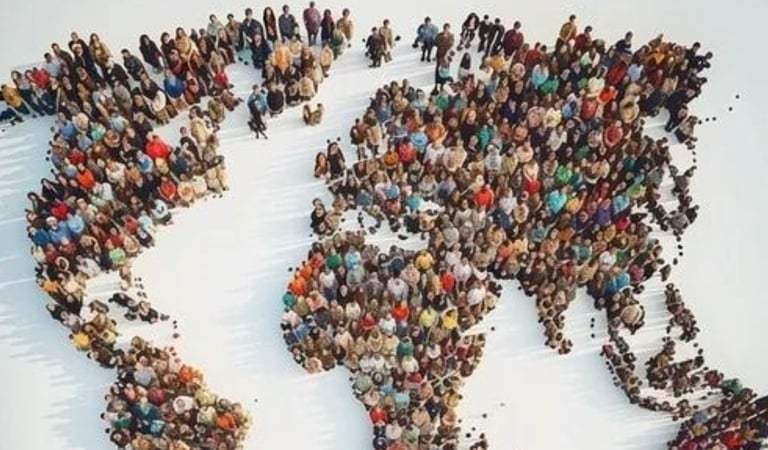

The term “AANHPI” (Asian American, Native Hawaiian, and Pacific Islander) reflects progress in inclusivity, but grouping diverse communities under one label risks erasing critical differences. Organizations must analyze subgroup data to ensure equitable workplace policies, leadership opportunities, and cultural understanding.

Articulated Insight – “News, Race and Culture in the Information Age”
The term “AANHPI” (Asian American, Native Hawaiian, and Pacific Islander) reflects progress in inclusivity, but grouping diverse communities under one label risks erasing critical differences. Organizations must analyze subgroup data to ensure equitable workplace policies, leadership opportunities, and cultural understanding. This article explores why breaking down aggregated data is essential for meaningful inclusion.

Why “AANHPI” Is Not a Monolith
In recent years, organizations have adopted the term AANHPI (Asian American, Native Hawaiian, and Pacific Islander) to replace narrower labels like “Asian American” or “AAPI.” While this shift signals progress, it raises a critical question: Does changing the acronym lead to meaningful change?
[mcb-block id=235317]The AANHPI designation encompasses a wide range of ethnic groups, languages, and socioeconomic realities. For example:
- Some communities have the highest median incomes and educational attainment in the U.S.
- Others face persistent poverty, limited healthcare access, and employment barriers.
When organizations aggregate data under the AANHPI label, these differences disappear, creating a misleading narrative of uniform success.
The Risks of Aggregated Data
How Aggregated Data Hides Inequities
Aggregated data can obscure disparities within the AANHPI community. For instance:
- Representation Metrics: Averages may show high engagement, but they mask which subgroups are underrepresented.
- Leadership Pipelines: Decision-makers may overlook barriers faced by specific groups, assuming overall success.
This creates a paradox: visibility at the group level but invisibility at the subgroup level.
Impact on Workplace Culture
When employees’ experiences don’t align with dominant narratives, they may feel unseen or mischaracterized. This disconnect can lead to:
- Lower engagement and retention.
- Erosion of trust in leadership.
Breaking Down the Data: A Path Forward
Why Subgroup Analysis Matters
To foster true inclusion, organizations must move beyond broad categories. Key steps include:
- Disaggregating Data: Analyze metrics by subgroup to identify disparities.
- Asking Better Questions: Go beyond surface-level metrics to understand systemic barriers.
Shifting Mindsets for Inclusion
Inclusion efforts should reflect real experiences, not just averages. Leaders must:
- Examine how policies affect different subgroups.
- Embrace complexity rather than oversimplifying identity.
AANHPI Heritage Month: An Opportunity for Change
AANHPI Heritage Month offers a chance to move beyond recognition and toward deeper understanding. By addressing subgroup disparities, organizations can create policies that truly reflect the diverse experiences within the AANHPI community.
- Learn more about workplace diversity and inclusion strategies on The Narrative Matters.
- Explore detailed insights on disaggregated data at Pew Research Center.

Related article: Scholar Unfiltered: Unmasking “Common Sense”
#AANHPI #WorkplaceDiversity #InclusionMatters