

Difference between Emancipation Proclamation and the 13th Amendment
President Abraham Lincoln issued the Emancipation Proclamation on September 22, 1862. It declared that if the rebellious Southern states did not cease hostilities and return to the Union within 100 days—by January 1, 1863—the proclamation would take effect. At that point, “…all persons held as slaves within any State or designated part of a State, the people whereof shall then be in rebellion against the United States, shall be then, thenceforward, and forever free…”
Lincoln justified the proclamation by invoking his authority as Commander-in-Chief during a time of armed rebellion. He described it as a “fit and necessary war measure” to suppress the insurrection. This was crucial because slavery was legally protected as property, and only under wartime necessity could such property be seized without judicial interference. The Supreme Court, dominated by Democrats, could not overturn it under those circumstances.
The proclamation further ordered that freed individuals abstain from violence except in self-defense, encouraged them to labor for reasonable wages, and announced that suitable freedmen could enlist in the Union Army and Navy. Lincoln emphasized that he believed the act to be “an act of justice, warranted by the Constitution, upon military necessity.”
Analysis:
- The Emancipation Proclamation was issued by Lincoln alone, despite objections from his cabinet.
- It marked the first time a U.S. president armed Black men and authorized them to fight against white men—a revolutionary step.
- It recommended that freed men and women work for wages, signaling a shift from unpaid servitude to compensated labor.
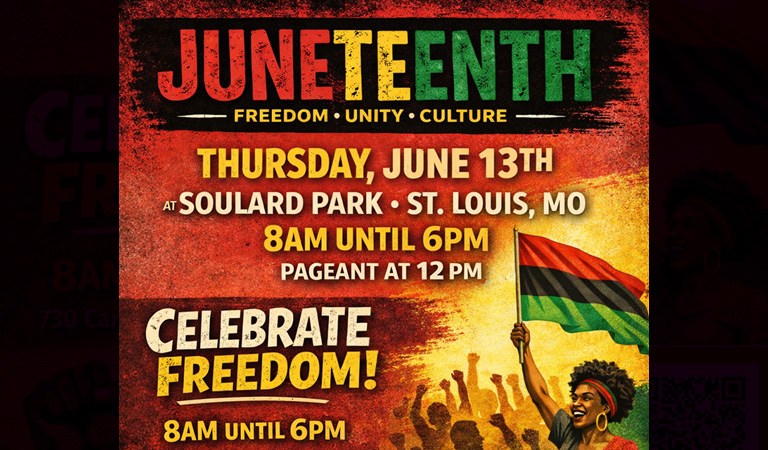
- Yet, it was only an executive order, vulnerable to reversal by future presidents. Lincoln’s successor, Andrew Johnson, a Southern Democrat sympathetic to Confederates, might have undone it had the 13th Amendment not already been advancing through Congress. Johnson later vetoed measures like the Freedmen’s Bureau and opposed the 14th Amendment, though Congress overrode him. Without the 13th Amendment, slavery’s end could have been indefinitely delayed. Celebrations like Juneteenth, which began when Union generals read the proclamation to freed slaves in Texas, underscore how essential the amendment was in cementing freedom.
- Importantly, the proclamation did not apply to slaveholding states loyal to the Union, such as Missouri, Kentucky, Maryland, and Delaware. These states only abolished slavery with the ratification of the 13th Amendment on December 6, 1865.
The 13th Amendment declared: “Neither slavery nor involuntary servitude, except as a punishment for crime whereof the party shall have been duly convicted, shall exist within the United States, or any place subject to their jurisdiction.” Unlike the proclamation, it was passed by Congress, ratified by the states, and enshrined in the Constitution—beyond the reach of any single president.
Further Analysis:
- The amendment echoed earlier legislation, including Article 6 of the Northwest Ordinance of 1787, which prohibited slavery in territories like Ohio, Indiana, and Illinois, and the D.C. Emancipation Act of April 1862.
- Its language outlawing slavery outright was unprecedented in human history. No sacred text or ancient legal system had ever banned slavery across an entire nation.
- It ensured freedom not only for existing states but for all future states entering the Union.
How the 13th Amendment abolished slavery
The 13th Amendment is foundational to American liberty. It was initiated before the Civil War’s outcome was certain, underscoring its necessity. While punishment for crime has always existed, the amendment required due process—conviction by judge and jury. Later abuses like convict leasing violated its spirit, not its text.
Ultimately, the 13th Amendment transcends politics, race, or religion. It is a permanent guarantee of freedom, written into the Constitution. Celebrations of emancipation must always recognize that while Lincoln’s proclamation was historic, the 13th Amendment secured liberty for all Americans and ensured slavery could never return.
From time to time I like to bring items from my local platform over to the national site The Narrative Matters. Our guest Contributor Kariem Haqq is a member of Heartland St. Louis Black Chambers of Commerce and an active political activist in MO!
#EmancipationProclamation #13thAmendment #AmericanHistory