
Overview: The escalating Strait of Hormuz conflict drives immediate volatility through international energy shipping corridors, while Germany expels Russian diplomats over targeted airport sabotage and Nepal rescues thousands stranded by lethal monsoon floods. Businesses face direct disruptions across supply chains, diplomatic networks, and climate-vulnerable infrastructure.
A major choke point faces military friction, Berlin shuts Russian consulates over airport drone incursions, and lethal floods sweep Nepal.
Strait of Hormuz Conflict Shakes Energy Markets and Global Stability
Strait of Hormuz Conflict Triggers Supply Chain Turbulence
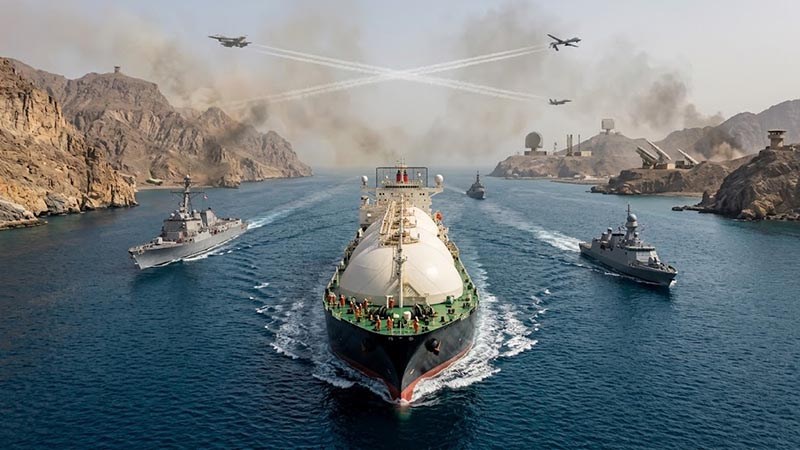
The Strait of Hormuz conflict has rapidly escalated into a primary operational bottleneck for global commerce following heavy airstrikes and retaliatory missile exchanges. Western energy markets registered direct shocks as commercial shipping routes through the Persian Gulf faced immediate reassessment. Facilities in Kuwait reported localized air defense activity, forcing regional carriers to pause movement through primary choke points.
Russian Espionage and Germany Diplomatic Fallout
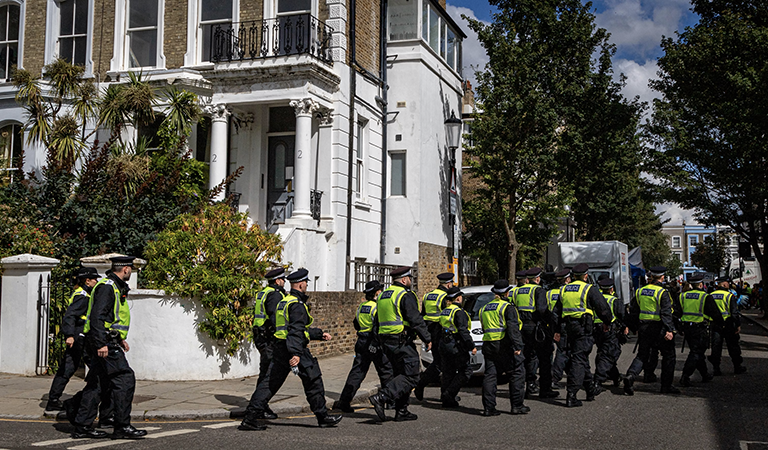
European security protocols shifted overnight after German investigators uncovered direct links between state-sponsored operatives and suspicious drone incursions at Leipzig/Halle Airport. Berlin moved decisively to revoke diplomatic credentials, permanently shuttering Russian consular centers across the country. The move highlights an increasingly aggressive phase of hybrid infrastructure attacks, pushing corporate security teams to audit digital and logistical systems across central Europe.
Himalayan Climate Realities Expose Structural Fragility
Monsoon downpours across Nepal have triggered widespread landslides, stranding communities and overwhelming municipal emergency response teams. The disaster underscores the rapid decay of Himalayan watersheds, where high-altitude meltwater routinely compounds seasonal rainfall extremes. International relief efforts continue to mobilize resources, but the scale of the damage demonstrates severe planning deficits in rapidly changing environments. Current climate telemetry can be cross-referenced via the World Meteorological Organization.
Supply disruptions, regional hybrid warfare, and environmental displacement now demand that leaders build fluid redundancies rather than relying on brittle, single-point logistics.
#MiddleEastCrisis #EnergyMarkets #GlobalSecurity