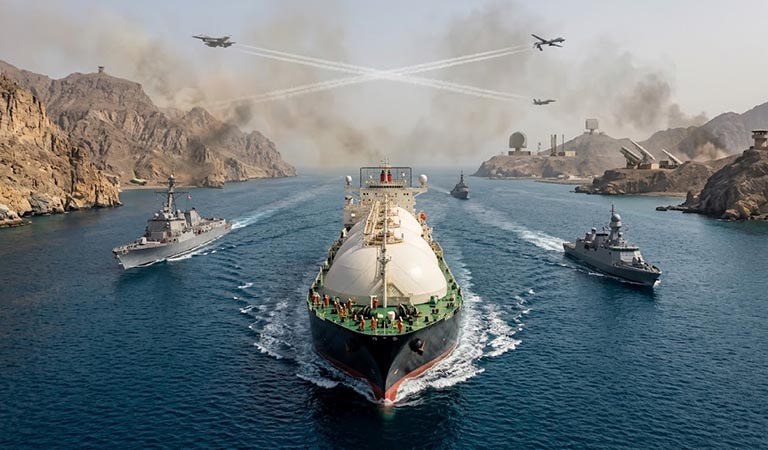

Overview: Surging global energy volatility stems from escalating security disruptions along major supply lines. Oil tanker dispute claims across the Strait of Hormuz, Houthi aerial strikes on a Saudi airport near Dammam, and civil unrest in France are straining international transportation networks and regional commodity prices.

Tanker standoffs in the Persian Gulf, missile strikes near Dammam, and unrest in France test the limits of global supply chains
Global Energy Volatility: Hormuz, Strikes, and Unrest
What Drives Current Global Energy Volatility
Persistent global energy volatility has returned to the forefront of international trade. Iranian officials claim that commercial vessels and oil tankers faced strikes across the Persian Gulf, while American leadership publically disputes those accounts as an attempt to artificially manipulate spot oil contracts.
Regional risk expanded further following a direct Houthi drone and missile strike targeting an airport facility near Dammam, Saudi Arabia. The attack caused commercial disruptions and prompted the United States to instruct select diplomatic personnel to execute precautionary evacuations.
Environmental Stress and European Civil Unrest
Extreme climate events have compounded infrastructure strain across Europe. Public health data indicates record summer heatwaves caused approximately 50,000 deaths in major metropolitan centers, testing regional municipal response frameworks.
Domestic instability has intensified in Western Europe as well. French authorities instituted bans on select public demonstrations following nights of rioting and property damage, which included an arson fire at the Limoges town hall. Meanwhile, Indian markets saw major liquidity inflows as Akash Ambani guided Reliance Jio through an oversubscribed public offering.
Summary
The combination of shipping bottlenecks, aerial threats to civil transit, and urban friction creates acute volatility across international trade routes. You can review strategic regional essays on thenarrativematters.com/world or review global supply updates directly through the U.S. Energy Information Administration to assess shipping risk.
#EnergyCrisis #GlobalNews #Geopolitics