

Articulated Insight – “News, Race and Culture in the Information Age”

Collaboration is a cornerstone of meaningful community transformation. When individuals, organizations, and institutions come together to address shared challenges, they pool resources, expertise, and perspectives to create sustainable solutions. The power of collaboration lies in its ability to harness collective energy and creativity to drive progress that no single entity could achieve alone. This article explores the transformative potential of collaboration in communities, supported by practical examples.
1. Shared Vision and Goals
Effective collaboration begins with a shared vision. When community members align their goals, they create a unified sense of purpose that fosters trust and commitment. For example, in Detroit, Michigan, local nonprofits, government agencies, and residents partnered to transform abandoned lots into urban gardens. The initiative, known as the Detroit Urban Garden Collaborative, addressed food insecurity while revitalizing unused land. By working together, stakeholders not only provided fresh produce but also created spaces for education and community bonding.
This shared vision enabled diverse groups to contribute according to their strengths—residents provided local knowledge, nonprofits offered logistical support, and government agencies facilitated funding and permits. The result was a thriving network of gardens that improved health outcomes and strengthened the community fabric.

2. Leveraging Diverse Expertise
Collaboration allows communities to tap into a wide range of expertise. Each participant brings unique skills and insights that enrich the problem-solving process. A compelling example is the “Housing First” initiative implemented in Salt Lake City, Utah. This program aimed to address chronic homelessness by providing permanent housing coupled with supportive services.
The success of Housing First relied on collaboration between housing authorities, healthcare providers, social workers, and local businesses. Housing authorities identified suitable locations, healthcare providers ensured access to medical care, and social workers offered counseling and job training. Local businesses contributed by offering employment opportunities to program participants. By integrating these diverse contributions, the initiative achieved a 91% reduction in homelessness among participants within its first few years.
3. Resource Sharing
One of the most practical benefits of collaboration is resource sharing. Communities often face financial or logistical constraints that hinder progress. Collaborative efforts enable stakeholders to pool resources, reducing duplication and maximizing impact.
Consider the example of the “RideKC” initiative in Kansas City, Missouri. This regional transportation project brought together multiple municipalities to create an integrated public transit system. By sharing funding and infrastructure, participating cities expanded access to affordable transportation for residents across the region. This collaboration not only reduced traffic congestion but also improved job accessibility for underserved populations.
4. Building Social Capital
Collaboration fosters relationships and trust among community members, creating social capital that sustains long-term transformation. In Medellín, Colombia, a city once plagued by violence, collaboration between local government, businesses, and residents led to the development of “library parks.” These multifunctional spaces combined libraries with recreational facilities in underserved neighborhoods.
The project encouraged community participation at every stage, from planning to implementation. As a result, residents took pride in the spaces and actively maintained them. The library parks became hubs for education, culture, and social interaction, contributing to a significant decline in crime rates and an improved quality of life.
Conclusion
The power of collaboration in community transformation cannot be overstated. By fostering shared vision, leveraging diverse expertise, pooling resources, and building social capital, communities can tackle complex challenges more effectively. The examples of urban gardening in Detroit, Housing First in Salt Lake City, RideKC in Kansas City, and library parks in Medellín demonstrate how collaborative efforts yield tangible benefits.
As communities face evolving challenges such as climate change, economic inequality, and public health crises, collaboration will remain essential. By embracing partnerships and collective action, communities can build a brighter future—one that reflects the strength and resilience of working together toward common goals.
About Dr. Maurice Nutt

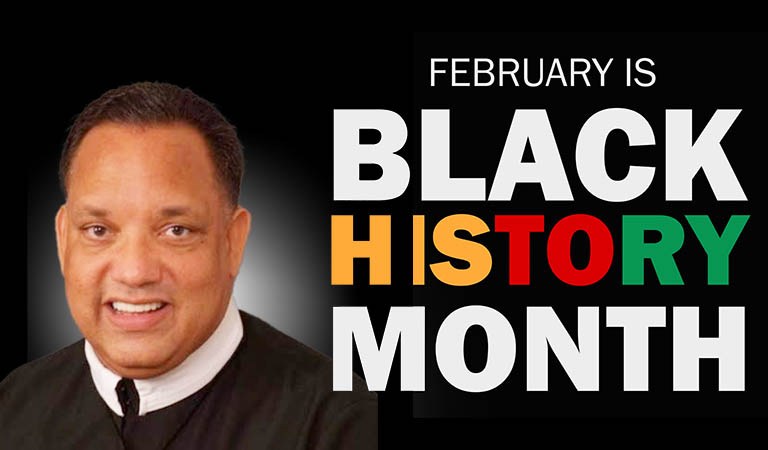
Maurice Joseph Nutt, D.Min., is a highly educated and accomplished consultant, motivational speaker, author, professor, and spiritual director based in St. Louis, Missouri. His extensive academic credentials include a Doctor of Ministry in Preaching from the Aquinas Institute of Theology and additional certifications from institutions such as Harvard University and the Hesychia School of Spiritual Direction. His professional career spans decades with expertise in preaching, evangelization, and spiritual care, holding leadership roles in numerous organizations such as the New Frontiers in Preaching Academy and Copiosa Care, where he currently serves as a spiritual director. Additionally, he has been deeply involved in both parish ministry and academic teaching, particularly in preaching and Black Catholic studies.
Dr. Nutt is a recognized leader and advocate in the National Black Catholic community, contributing to various boards, initiatives, and councils addressing social, spiritual, and cultural issues. His numerous awards honor his leadership and humanitarian impact, including his historic milestone of being the first African American to earn a Catholic doctorate in preaching. Known for his engaging preaching style and notable speaking engagements, he has delivered sermons at influential events, including the Rev. Dr. Martin Luther King Jr. Prayer Services and other nationally recognized forums. Alongside his work in preaching, spiritual direction, and teaching, Dr. Nutt also provides counseling and guidance as part of the Copiosa Care ministry, which focuses on diverse emotional and spiritual challenges within communities.
Dr. Maurice J. Nutt, is available as a subject matter expert on organizational and leadership development for press interviews and speaking engagements.
Contact:
Britton Duvall Consulting, LLC
PO Box 16005
Clayton, MO 63105-9998
(314) 637-6106
#CommunityCollaboration #TransformTogether #SocialImpact