
Mental health and physical health are deeply interconnected, yet often treated separately. Dr. Patrick Fox, President of Wellpoint New Jersey, advocates for integrated care that addresses both behavioral and physical health while tackling social determinants like housing and food access. This holistic approach is vital as mental health challenges rise, emphasizing the importance of connection, empathy, and reducing stigma.
Bridging the Gap Between Mental and Physical Health: Insights from Dr. Patrick Fox
A Holistic Approach to Health
Mental health is often treated separately from physical health, despite the deep connection between the two. Recognizing this gap is more critical than ever as families and communities face rising levels of stress, anxiety, and isolation. For Wellpoint New Jersey President Dr. Patrick Fox, the focus begins with behavioral health and its impact on how people think, feel, connect, and navigate daily life.
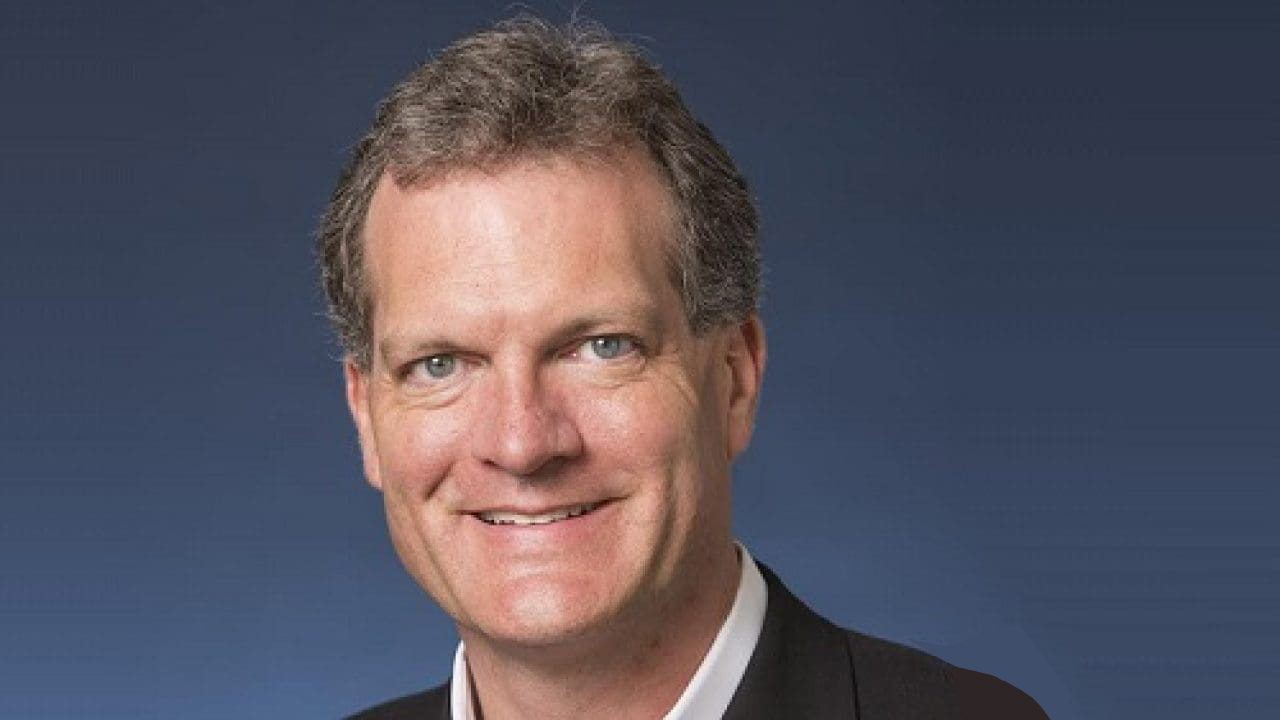
“Health is about more than being free from disease,” Dr. Fox explains. “It encompasses an individual’s physical, emotional, spiritual, and relational health, ensuring they maintain strong social connections and that their basic needs are met.”
Dr. Fox’s perspective is shaped by a career rooted in mental health care. As a psychiatrist with experience at both the community level and within larger behavioral health systems, he brings a broad view of care across various settings. Initially interested in surgery during medical school, Dr. Fox shifted his focus to mental health policy, law, and bioethics. He later completed a fellowship in forensic psychiatry at Yale and served on the faculty.
Today, his extensive experience informs his holistic view of health and well-being. For Dr. Fox, health is not limited to diagnoses or treatments—it reflects how people experience daily life, manage stress, maintain relationships, and respond to challenges. Social and economic conditions also play a significant role in shaping these experiences.
Integrating Behavioral and Physical Health
At Wellpoint New Jersey, this holistic approach is evident in how care is delivered. The organization integrates behavioral and physical health services while addressing pressing social needs such as housing, food access, and employment.
This integrated approach is especially vital as mental health challenges become increasingly common. According to the National Institute of Mental Health, more than 1 in 5 adults in the U.S. lives with a mental illness each year. In New Jersey alone, the National Alliance on Mental Illness estimates that approximately 1.1 million adults live with a mental health condition.
The Role of Connection in Mental Health
Connection plays a central role in shaping mental health and is often where challenges first emerge.
“Humans are a highly social species. Our sense of self, security, and well-being is rooted in our connections with others,” Dr. Fox notes. “In today’s digital age, we have unprecedented access to information and constant connectivity, yet many people feel increasingly disconnected and isolated from meaningful interpersonal relationships.”
This disconnect has had lasting effects, particularly in the wake of the COVID-19 pandemic. “We’re essentially experiencing a mental health epidemic, especially among our youth, and we’re now seeing the consequences of that period of isolation,” Dr. Fox explains.
Reducing Stigma and Building Empathy
Dr. Fox emphasizes that mental health challenges are a shared part of the human experience.
“At some point in everyone’s life, they will struggle with a mental health challenge,” he says. “It is something we all have in common to varying degrees. Acknowledging this can reduce stigma and elicit empathy and support.”
Simple actions can make a significant difference in the well-being of others. A friendly greeting or asking someone how they are doing can help them feel connected and cared for. Changes in mood, sleep, behavior, or social withdrawal can be early signs that someone may need support. Recognizing these changes and expressing care is often the first step toward accessing help.
Mental Health Awareness Month: A Time to Act
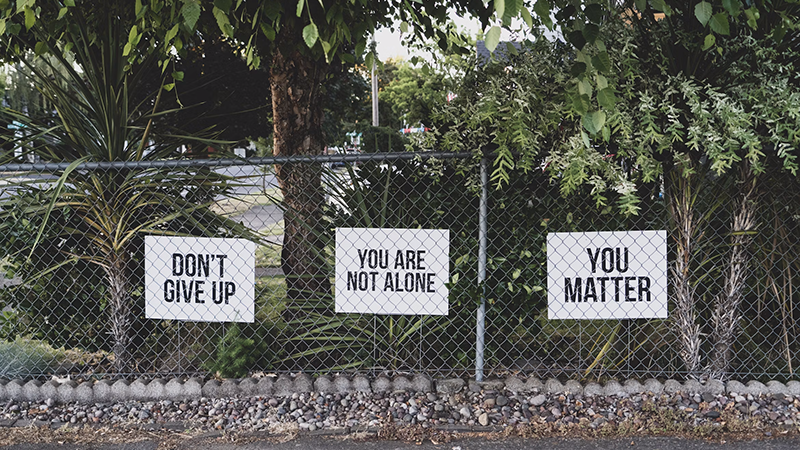
Mental Health Awareness Month serves as a reminder that no one is alone in their struggles.
“We all have times in our lives when we struggle,” Dr. Fox says. “If you or someone you know is experiencing a difficult time, reach out. Help is available.”
Learn more about Mental Health Month.
#MentalHealthAwareness #IntegratedCare #BehavioralHealth