
Overview: Gen Z voter turnout surged during recent midterm elections, defying the widespread political apathy that marked 2024. Mobilized by tangible municipal wins on local affordability, peer-led social media education, and a grounded sense of generational civic duty, voters aged 18 to 29 represented 11% of the electorate, with 73% casting ballots for Democrats to help secure congressional majorities nationwide.
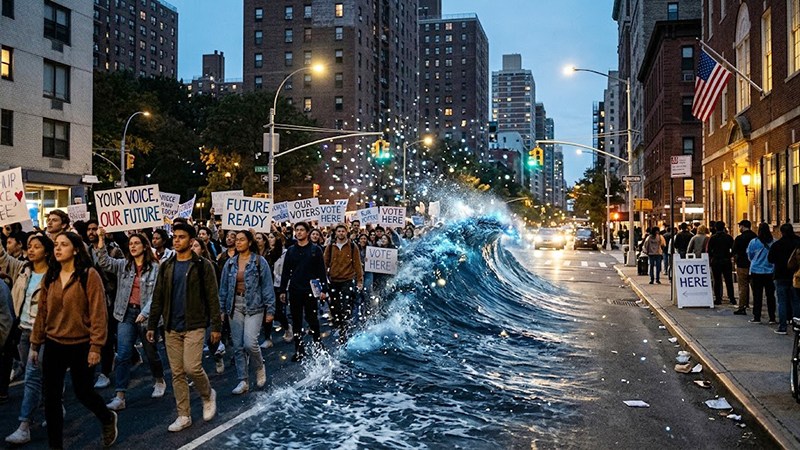
From 2024 political fatigue to decisive civic turnout, young voters proved that delivering real community results moves people to the ballot box.
A Change of Heart at the Polling Station
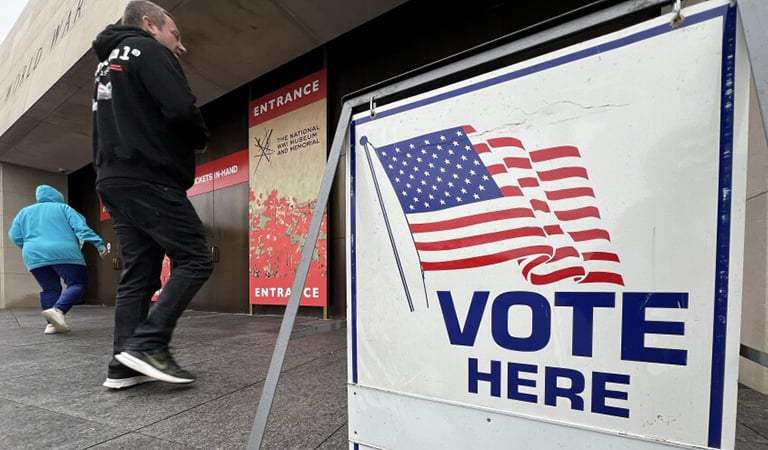
Yesterday morning I watched a TikTok of a young man whose first time voting was in this midterm election. He explained that he had never voted previously because he felt his vote did not matter, and he saw no point in doing it. Initially I rolled my eyes because I am an avid supporter of voting and fulfilling one’s civic duty. Yet this is a sentiment that many people share and that I saw expressed repeatedly during this campaign season, so I stuck around and listened to what he had to say.
His primary reason for voting was because his wife urged him to go. While standing in line at the polls, he arrived at a sudden revelation: “What if they told me I couldn’t do this? If everybody in here making decisions told me I couldn’t do it? How would I feel? Then I’d be grateful to be standing here right now being able to let my voice be heard.”
Breaking Away from 2024 Political Disillusionment
This initial apathy reminded me of the broader sentiment that many young people carried around voting during the 2024 presidential election. Many young voters were unmoved by more centrist or moderate messaging, frequently expressing a total lack of interest in participating at all, even while remaining unenthusiastic about the MAGA platform. Still, 2024 saw significant turnout among young males who responded to campaign rhetoric and promises. The inability to mobilize young people with middle of the road messaging clearly shaped those election outcomes.
Local Politics and the Power of Delivering on Promises
I make no secret of being a loud and proud New Yorker. It was not until the 2025 mayoral election that I truly saw people my age mobilized, excited, and eager about voting. Zohran Mamdani’s campaign centered on affordability in one of the most expensive cities in the country, backed by actionable plans and genuine respect for New York residents. That approach made him an exceptionally compelling candidate. His appeal resonated far beyond the five boroughs, drawing attention across the country and internationally. He made real change feel tangible rather than an endless debate of excuses, and he spoke to younger constituents without patronizing them. First time young voters throughout the city arrived at the polls with genuine enthusiasm.
Once elected into office, he hit the ground running. Within the first 100 days of his term, his administration secured free preschool for children ages two and up, ensured dedicated winter jobs for snow shovelers, and tackled the city budget. Across the five boroughs, long neglected potholes were paved and neighborhood parks were restored for local communities. Working class residents began expecting more from public leadership after witnessing an elected official actually deliver on campaign commitments.
The Blue Tsunami: Mobilizing the Youth Electorate
Faced with federal leadership that walked back pledges regarding affordability and international policy, young people turned their attention back toward leaders who produce concrete results. Combining hope with justified frustration, they showed up at polling stations and brought their peers along. Gen Z creators, cultural figures, and everyday social media users organized voter education across platforms, swiftly pushing back against the passive cynicism that defined 2024.
The outcome was unmistakable. Democrats flipped crucial districts nationwide, securing majorities in both the Senate and the House in what is now termed “The Blue Tsunami.” Voters aged 18 to 29 represented 11% of the total electorate, with 73% backing Democratic candidates.
Why Civic Duty Remains Non-Negotiable
While winning elections is energizing, the realization shared by that young man on TikTok reflects the heart of why I cast my ballot. In recent years, debates surrounding citizenship, alongside the historical struggles of minority communities in America, serve as a constant reminder that the right to vote is something people have actively fought to deny. This is my civic responsibility as a citizen of this country. I have an absolute right to participate, just as I have a right to my citizenship. Generations before us paid for that franchise in blood, sweat, and tears.
Voting might not solve every challenge overnight, and the candidate on our ballot might not always win the race. But staying home guarantees that nothing changes.
About Future Ready Voices:
GenZFuture Ready Voices: GenZ is a dynamic blog spotlighting the insights, values, and evolvingexpectations of younger generations shaping today’s workplace and the broader world. Itexplores how emerging professionals think about leadership, purpose, inclusion, andinnovation—offering a forward-looking lens on what comes next. While grounded in theperspectives of Gen Z and Millennials, the blog is designed for anyone willing to challengeassumptions and embrace new ideas. It creates a space where fresh thinking meets experience,encouraging meaningful dialogue across generations and inspiring leaders, organizations, andindividuals to adapt, grow, and lead with greater awareness in a rapidly changing world
#GenZVotes #BlueWave #YouthVoterTurnout