
Overview: Ahead of the 2026 midterm elections, major civil rights and political organizations—including the Congressional Black Caucus Institute, NAACP, and Black Voters Matter—are investing millions into grassroots organizing and legal battles to drive Black voter turnout, particularly among young, rural, and irregular voters. Coinciding with the launch of the CBC Institute’s nationwide “SO VOTE” campaign, a decisive U.S. Supreme Court ruling blocked last-minute Postal Service mail-in ballot restrictions, clearing a critical path for access at the ballot box.
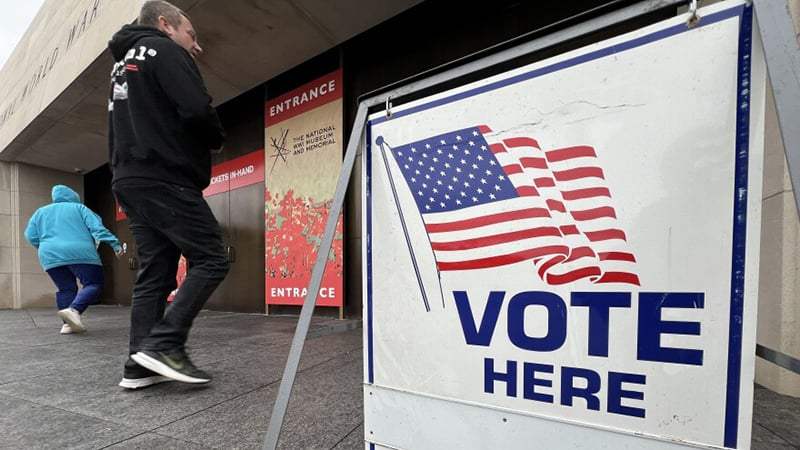
With the midterms approaching, Black organizations are pouring millions into turnout efforts aimed at young, rural and often-overlooked voters.
Black voters could help determine control of Congress in 2026. Civil rights and political groups are investing heavily in registration, organizing and turnout — particularly across the South.
Civil rights groups pour millions into youth and rural midterm mobilization as the Supreme Court shuts down late mail-in voting curbs.
With seven weeks remaining before the midterm elections, some of the nation’s most influential Black political and civil rights organizations are pouring money, organizers and old-fashioned shoe leather into an unusually aggressive effort to turn out Black voters — particularly young people, rural residents and people who typically skip elections when the presidency isn’t on the ballot.
The latest effort came Tuesday, when the Congressional Black Caucus Institute launched “SO VOTE,” a multimillion-dollar campaign aimed at turning out voters in some of the country’s most competitive congressional races.
But the mobilization comes amid a broader fight over who gets to vote, and how.
Supreme Court Ruling
On Monday, the U.S. Supreme Court refused to allow the Trump administration to impose sweeping new restrictions on voting by mail just weeks before the Nov. 3 elections. The high court left in place a lower-court injunction blocking a new U.S. Postal Service rule that forces states to provide information on voters requesting mail ballots — and to use federally approved ballot envelopes with unique barcodes.
The Postal Service could have refused to deliver ballots from states that didn’t comply.
Election officials argued that imposing the new system while voting was already underway could prevent legitimate ballots from reaching voters. The Supreme Court said the administration was unlikely to succeed in overturning the injunction.
Justice Brett Kavanaugh, concurring separately, said the Postal Service ultimately might have legal authority to regulate election mail, but imposing the rule now would violate federal administrative law because state and local election officials did not have enough time to comply.
The legal fight also directly involved two organizations now working to turn out Black voters. The NAACP and Black Voters Matter joined Common Cause in challenging the Postal Service rule. For those groups, mobilizing Black voters and protecting their ability to cast a ballot increasingly look like two parts of the same job.
#BlackVotesMatter #Midterms2026 #VotingRights