Overview: Fannie Lou Hamer defied intimidation, violence, and institutional racism to secure voting access across the Mississippi Delta, offering an urgent blueprint for modern civic defense. As new legal maneuvers, census shifts, and registration hurdles attempt to shrink the electorate, courtroom battles alone cannot safeguard democracy—power ultimately rests with everyday citizens building turnout, checking registration rolls, and refusing to surrender the ballot box.
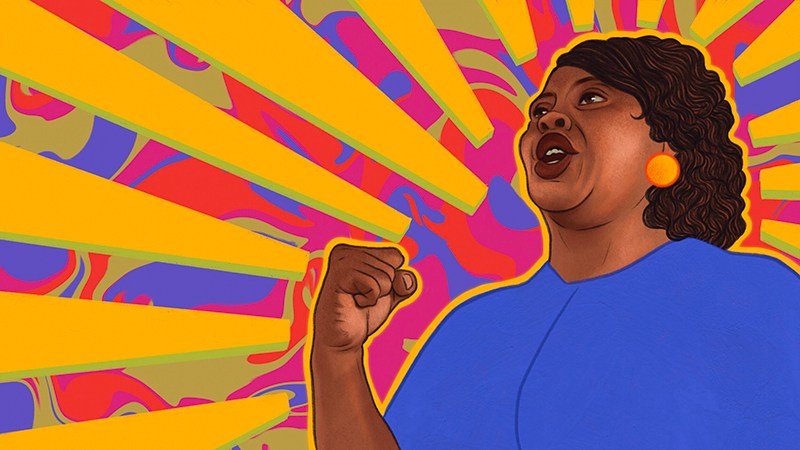
Civil Rights Icon Fannie Lou Hamer Risked Her Life for the Ballot; Today’s Rising Voter Restrictions Demand the Same Uncompromising Persistence.
Fannie Lou Hamer would have turned 109 this week.
Born Oct. 6, 1917, in the Mississippi Delta, she walked into the Sunflower County courthouse in 1962 to register to vote. She failed a rigged literacy test, was thrown off the plantation where she had worked for 18 years, and was later beaten nearly to death in a Winona jail.
She kept going back.
Once she registered, she spent the rest of her life getting others on the rolls through Freedom Summer and the Mississippi Freedom Democratic Party. Her lesson is plain: people who want a smaller electorate are counting on the rest of us to give up.
A Familiar Playbook: Shrinking the Electorate
The Trump administration is testing that bet again.
Last month, the Census Bureau proposed counting only citizens and green-card holders toward each state’s share of House seats, alongside dropping questions about race and ethnicity from the census form.
The 14th Amendment is explicit: it requires counting “the whole number of persons in each State.” Change who is counted and you change who is represented, along with where federal dollars go. Public comments closed Oct. 13.
The census is just one front in a broader campaign:
- Documentary proof of citizenship: Trump’s first election order tried to mandate documentary proof to register and sought to discard mail ballots arriving after Election Day, even if postmarked on time. A federal judge permanently blocked most of it in June.
- Restricting mail ballots: A second order seeks a national voter list while placing sharp limits on vote-by-mail access.
- Targeting state voter rolls: The Justice Department has sued 30 states and D.C. over unredacted voter rolls and keeps losing in court. One judge appointed by George W. Bush openly questioned the department’s real aim.
We know what these schemes do. Kansas’s proof-of-citizenship law blocked the registration of more than 31,000 eligible Americans. The goal is not stopping fraud, which is vanishingly rare. The goal is adding friction until enough people simply stay home.
Courts Can Slow the Attacks. Only Voters Can Stop Them.
Courts have slowed much of this damage, but the courts cannot finish the job. Only voters can.
On Nov. 3, Democrats can win back the House, the Senate, or both. With those majorities comes the power to investigate, to control federal spending, and to say no.
Majorities are not inherited. They are built one registration at a time.
Take Action: Three Steps to Protect the Vote
Do not leave the outcome to chance:
- Verify your status: Check your voter registration today. Deadlines in many states fall this month.
- Bring someone with you: Help a neighbor, a coworker, or a first-time voter verify their status.
- Lock in your plan: Decide now whether you will vote early or on Election Day. If you vote by mail, return your ballot immediately.
Hamer famously said she was sick and tired of being sick and tired. Then she walked right back into that courthouse.
We owe her the same persistence.
#FannieLouHamer #VotingRights #ProtectTheVote