

The global plastic pollution crisis has escalated into a severe medical threat for minority populations. High exposure to microplastics and endocrine-disrupting chemicals is heavily concentrated in Black neighborhoods due to industrial proximity. Consequently, these contaminants are breaking down into human tissue, accelerating a male fertility drop, elevating prostate cancer risks, and exacerbating cardiovascular disease mortality rates.
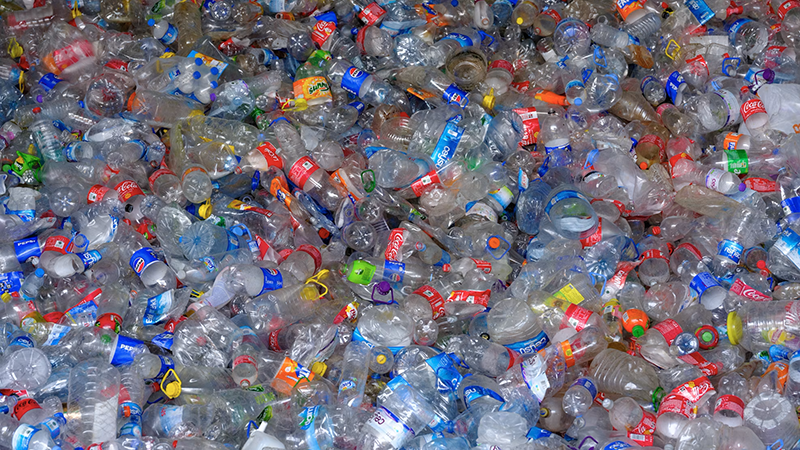
Plastics are the culprit causing everything from hormone disruption and a fertility crisis, to increased rates of cancer and cardiovascular disease.
[mcb-block id=235317]
For generations, environmental justice in Black America has been measured in asthma rates, cancer diagnoses and poisoned drinking water. Scientists now say another consequence may be emerging: chemicals and microscopic plastics omnipresent in everyday life could be harming Black men’s fertility.
Researchers have found that Black men tend to have elevated levels of endocrine-disrupting chemicals, which mimic or block hormones, due to their presence in consumer products and certain foods. Besides contributing to lower fertility rates, researchers have linked those chemicals, along with microplastics, to other health issues disproportionately found in Black men, like prostate cancer and cardiovascular disease.
But in the U.S., studies on environmental exposure and male reproductive health focuses almost exclusively on white men. That’s despite the fact that Black men are more likely to live in areas with heavier concentration of facilities that emit microplastics, harmful chemicals and other forms of pollution that researchers have found affect testicular health and sperm production rates.
Rev. Lennox Yearwood, president and CEO of the Hip Hop Caucus, says the issue of microplastics and similar health threats are the Black community’s modern-day civil rights issue. Evidence that pollution is now affecting men’s reproductive health, he says, should be a call to arms.
“The plastic epidemic is not a “right” or “left” issue; it’s a ‘you’ issue, a ‘me’ issue, and quite plainly a global issue,” says Yearwood. “Plastics are, in fact, taking over the planet, and they don’t discriminate.”
“As Black men, we’re fighting enough battles when it comes to our health. We shouldn’t also have to worry about plastics and toxic chemicals making their way into our bodies,” Yearwood told Word In Black.
#EnvironmentalJustice #MensHealth Crisis #Microplastics Threat