


DISC Health Equity Action Lab
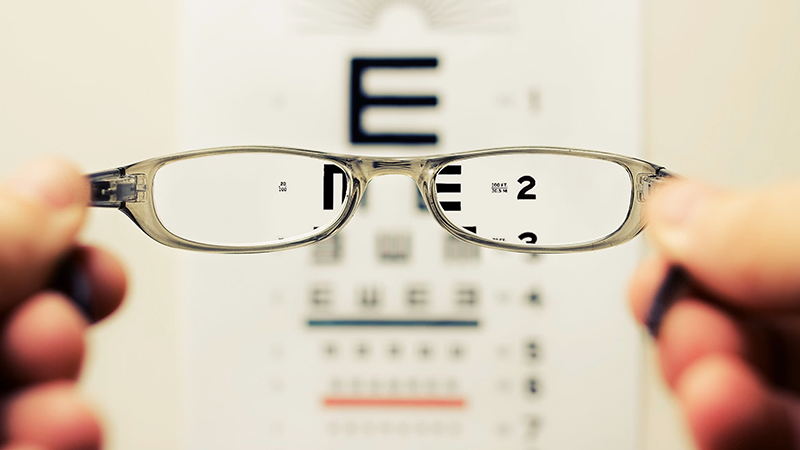
Blurry vision is a common symptom that indicates a lack of sharpness, making it difficult to see fine details. While it can result from temporary or minor issues, blurry vision may also signal serious, sight-threatening medical conditions that require immediate attention. Understanding the causes and treatments for blurry vision is essential for maintaining eye health and preventing long-term complications.
Common Causes of Blurry Vision
Blurry vision can stem from a variety of factors, ranging from refractive errors to systemic health conditions. Below, we explore the most common causes:
Refractive Errors
Refractive errors occur when the shape of the eye prevents light from focusing directly on the retina. These are among the most frequent causes of blurry vision and include:
- Myopia (Nearsightedness): Difficulty seeing distant objects clearly.
- Hyperopia (Farsightedness): Difficulty focusing on nearby objects.
- Astigmatism: Distorted or blurry vision at all distances due to an irregular cornea shape.
- Presbyopia: Age-related loss of near-focusing ability, typically occurring after age 40.
Temporary and Lifestyle Causes
Certain lifestyle factors and temporary conditions can also lead to blurry vision:
- Digital Eye Strain: Prolonged screen time reduces blinking, causing dry eyes and fatigue.
- Dry Eye Syndrome: Poor tear quality or insufficient tears lead to fluctuating vision and discomfort.
- Fatigue and Allergies: Tired eyes or environmental allergens can cause temporary blurriness.
- Contact Lens Issues: Over-wearing or dirty lenses can affect vision clarity.
- Pregnancy and Medications: Hormonal changes or side effects from medications like antihistamines can temporarily alter vision.
Serious Eye Conditions That Cause Blurry Vision
While some causes of blurry vision are minor, others may indicate serious eye conditions that require prompt medical attention.
Cataracts
Cataracts cause clouding of the eye’s lens, leading to hazy or dim vision. Symptoms often include glare or halos around lights, especially at night.
Glaucoma
Glaucoma damages the optic nerve, often due to high eye pressure. It can lead to peripheral vision loss and, eventually, central blurring if untreated.
Age-Related Macular Degeneration (AMD)
AMD affects the central retina, causing blurred or dark spots in the central field of vision. It is a leading cause of vision loss in older adults.
Diabetic Retinopathy
High blood sugar damages retinal blood vessels, causing leakage, swelling (macular edema), and blurry vision. Early detection is crucial for managing this condition.
Retinal Detachment
A medical emergency, retinal detachment occurs when the retina pulls away from the back of the eye. Symptoms include sudden, severe blurry vision, flashes of light, or a “curtain” effect over your vision.
Systemic and Neurological Causes of Blurry Vision
Blurry vision can also result from systemic health issues or neurological conditions:
- Diabetes: Fluctuating blood sugar levels can cause the lens to swell, altering focus.
- Migraines: Ocular migraines or migraines with aura can produce temporary blurry spots or wavy lines.
- Stroke or TIA (Mini-stroke): Sudden loss of blood flow to the brain can cause one-sided or total blurry vision.
- Multiple Sclerosis (MS): Optic neuritis, or inflammation of the optic nerve, is often an early symptom of MS.
- Brain Tumor: Rarely, a mass can put pressure on the visual cortex or nerves, leading to vision changes.
When to Seek Immediate Medical Attention
If you experience sudden, severe, or new blurry vision, seek emergency care immediately, especially if accompanied by:
- Sudden, total, or significant vision loss in one or both eyes.
- Severe eye pain, headache, nausea, or vomiting (possible acute glaucoma).
- Flashing lights, new floaters, or a “shadow” over your vision (possible retinal detachment).
- Facial drooping, weakness, numbness, or difficulty speaking (possible stroke).
- Eye injury or chemical exposure.
Treatment Options for Blurry Vision
The treatment for blurry vision depends on its underlying cause. Here are some common approaches:
Corrective Lenses
Refractive errors like myopia, hyperopia, and astigmatism can be corrected with glasses or contact lenses. LASIK surgery is another option for permanent correction.
Medications
Conditions like dry eye syndrome or inflammation may require prescription eye drops or anti-inflammatory medications.
Surgical Interventions
Serious conditions like cataracts, glaucoma, or retinal detachment often require surgical treatment to restore or preserve vision.
Lifestyle Adjustments
For temporary causes like digital eye strain, taking regular breaks from screens, using artificial tears, and improving ergonomics can help alleviate symptoms.
Preventing Blurry Vision
To maintain optimal eye health and prevent blurry vision:
- Schedule regular eye exams to detect and address issues early.
- Manage chronic conditions like diabetes to prevent complications.
- Protect your eyes from UV rays by wearing sunglasses.
- Follow the 20-20-20 rule to reduce digital eye strain: every 20 minutes, look at something 20 feet away for 20 seconds.
Related Resources
For more insights on eye health, check out The Narrative Matters for articles on managing chronic conditions and maintaining overall wellness. Additionally, visit Cleveland Clinic for expert advice on eye care and treatment options.
About
DISC Health
The Health Equity Action Lab (HEAL) is an initiative by Dynasty Interactive Screen Community aimed at addressing health disparities in the U.S. and globally. By engaging media and stakeholders, HEAL seeks to reduce health inequalities and raise awareness. Their approach includes overcoming socio historical barriers and confronting the institutional, social, and political factors that perpetuate healthcare inequality.
Howard University Hospital (HUH)
Howard University Hospital, established in 1862 as Freedmen’s Hospital, has a rich history of serving African Americans and training top medical professionals. Located in Washington, D.C., it is the only teaching hospital on the campus of a historically Black university. HUH is a Level 1 Trauma Center and a critical healthcare provider for underserved populations. It offers advanced medical services, including robotic surgery, and has received numerous accolades for excellence in specialties like heart care, stroke treatment, and radiology.
Learn more about Howard University Hospital (HUH)
Howard University Faculty Practice Plan (FPP)
The Howard University Faculty Practice Plan is a multi-specialty physician group in Washington, D.C., dedicated to advancing healthcare and eliminating health disparities. It offers comprehensive services, including primary and specialty care, mental health, imaging, and cancer care, all connected to Howard University Hospital. FPP emphasizes patient-centered, respectful care for the diverse community and provides free health screenings and events to promote wellness.
Learn more about Howard University Faculty Practice Plan (FPP)
#BlurryVision #EyeHealth #VisionCare