

Gaming for Growth: Esports Transforming HBCU Education
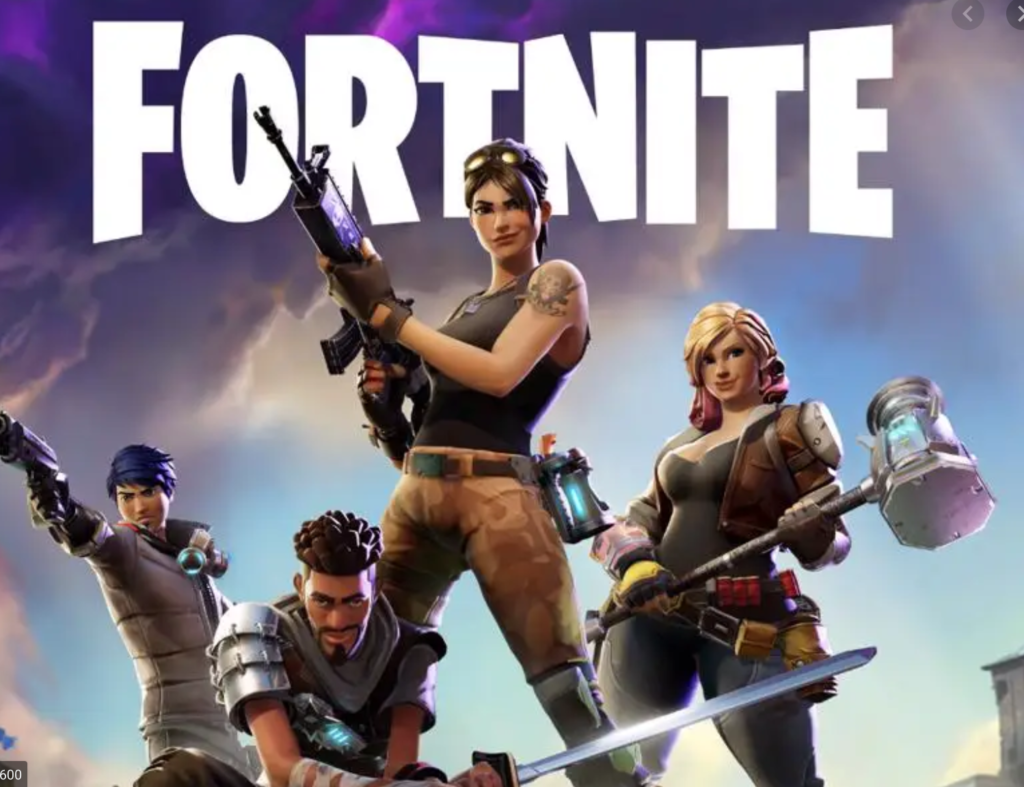
HBCUS and Esports: The video games that keep teenagers on the sofa might just help pay for their college tuition. For some, training for online contests like Fortnite and NBA2K could replace traditional team sports. This shift is creating a new path for scholarships and professional opportunities after graduation.
At Historically Black Colleges and Universities (HBCUs), gaming and esports are becoming key sources of community and competition. Three of the four HBCU athletic conferences have partnerships with gaming platform developers. These partnerships allow students to compete against their peers on campus and at other schools within their conferences. This popular social activity is quickly becoming more than just a hobby.
“Having an esports presence is very important to our institutions in the future,” said Southwestern Athletic Conference Associate Commissioner Jason Cable.
A Growing Industry with Big Potential
Esports teams and individuals compete in live online competitions. The industry has grown rapidly, with annual revenues now over $1 billion and a global audience of more than 443 million people.
While most traditional sports franchises faced financial losses last year, esports tournaments filled the void on sports networks. As students looked for new ways to live, work, and play, competitive video gaming became a major cultural force. With total enrollment at America’s 101 HBCUs dropping by 6,000 in the 2018-19 school year, administrators see a new way to recover.
“Our institutions are looking to increase enrollment and retain students, and esports gives them a chance to do both,” Cable said. “It’s the next big thing.”
Connecting Gaming to STEM and Career Paths
Central Intercollegiate Athletic Association Commissioner Jacqie McWilliams noted that gaming and esports, which are rooted in science, technology, engineering, and mathematics (STEM), benefit students academically.
“The move into esports aligns with the educational experience in STEM and our overall strategic plan,” McWilliams said.
Her athletic conference is one of three HBCU sports leagues that have attracted corporate sponsorships for competitive gaming. These tournaments provide a platform while traditional athletics are on partial hiatus. Gamers can compete for scholarship money and catch the eye of professional sports franchises looking for new talent. By the end of 2019, there were 500 esports franchises that earned between $95,000 and $36 million in tournaments. Some online tournaments even award prize money as high as $750,000.
Educators are particularly excited about how embracing STEM through gaming can open up professional opportunities for Black students. Skills in programming, software development, and cybersecurity can provide a direct path to lucrative careers. Some students are even prepared through high school academic programs, setting them up for esports scholarships in college.
Building a Pipeline for Student Success
More than 100 schools in the U.S. and Canada now offer esports scholarships. Robert Morris University Illinois (now part of Roosevelt University) led the way in 2014 by offering subsidies for its first varsity esports team. Today, some scholarship packages can be worth as much as $76,000 over four years. The top gamers can cover half of their tuition, room, and board.
While HBCUs are not yet offering scholarships at this level, they are encouraging students to think beyond the console. The nonprofit HBCU Heroes, launched by former NCAA and NBA champion George Lynch and his business partner Tracey Pennywell, raises money to help these schools offer competitive scholarships. This platform now includes esports.
“My experience at [the University of] North Carolina was on a whole other level,” Lynch said. He noted that larger universities have much more support from sponsors and alumni than most HBCUs. “Most of the traditional HBCUs that we played when I was coaching didn’t have the funding in the athletic department to support the student-athlete’s needs.”
Lynch saw how tight budgets impacted athletes at small Black colleges during his time as head men’s basketball coach at Clark Atlanta University.
“We learned that STEM and cybersecurity is part of gaming,” Lynch said. “Our goal is to fund 12 labs at HBCUs where students can have a curriculum in STEM and develop their skills.”
Texas Southern University in Houston has already expanded its sports management program to include an esports curriculum. This interdisciplinary program focuses on event management, game design, and sound development.
Dr. Kenyatta Cavil, who oversaw the program’s development, wants to empower students. “We want the students to get out of the mindset of just being on the couch. We want them to know what’s on the other side of the games,” Cavil said. “We’re trying to be intentional about getting HBCU students into the business segment of the [esports] marketplace.”
The post Xbox Excellence: Black Colleges Use Esports to Attract Students and Hook them on Science appeared first on Zenger News.
#EsportsEducation #HBCUs #STEMOpportunities