


Articulated Insight – “News, Race and Culture in the Information Age”
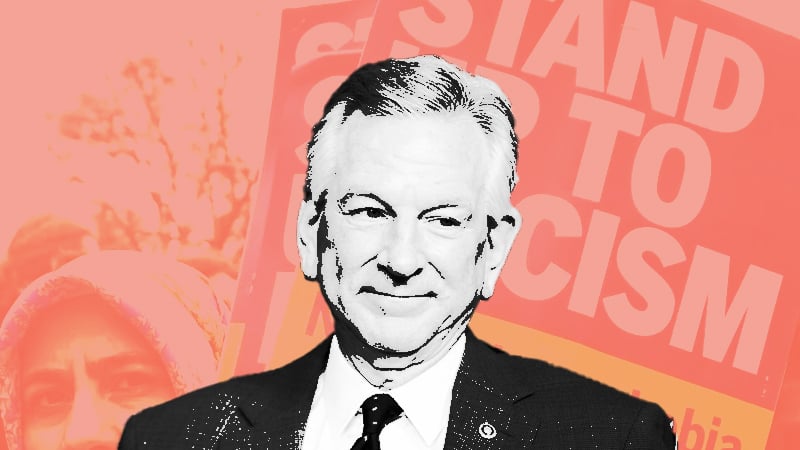
The Dangerous Impact of Anti-Muslim Rhetoric in Political Discourse
At a time when responsible leadership is desperately needed, some Members of Congress are instead fueling division with harmful anti-Muslim rhetoric. Recent comments from Alabama Senator Tommy Tuberville highlight the alarming decline in political discourse and the urgent need for moral clarity in leadership.
Tuberville’s Offensive Imagery
Senator Tuberville recently circulated a deeply disturbing image online. The image depicted the newly elected Muslim mayor of New York City, Zorhan Mandami, standing next to the burning Twin Towers from the September 11 attacks.
The message was clear—and offensive: linking a Muslim public official to one of the darkest moments in American history. This kind of imagery is not only insensitive but also perpetuates damaging stereotypes that paint Muslim Americans as suspicious or disloyal.
The Deafening Silence from Leadership
What’s perhaps even more troubling than Tuberville’s actions is the lack of strong condemnation from Republican leaders.
- Speaker of the House Mike Johnson offered only a mild rebuke, stating, “That is not language I would use.”
- Such vague disapproval falls far short of the clear, direct condemnation that bigotry demands.
When elected officials promote prejudice, silence or half-hearted criticism only serves to normalize such behavior.
The Role of Leadership in Shaping Political Culture
The tone set by leaders at the highest levels of government has a profound impact on the broader political culture.
- Former President Donald Trump has repeatedly used degrading and dehumanizing language, referring to some individuals as “animals” and employing other inflammatory insults.
- This normalization of divisive rhetoric trickles down, influencing public discourse and emboldening prejudice.
The Broader Implications for Muslim Americans
The consequences of such rhetoric extend beyond words.
- The Trump Administration’s aggressive foreign policy toward Iran, a Muslim-majority country, combined with inflammatory language about Muslims domestically, sends a troubling message to millions of American citizens of that faith.
- It undermines America’s core values of diversity and religious freedom.
Muslim Americans are not outsiders—they are an integral part of this nation. They serve in the military, run businesses, educate our youth, and hold public office.
America’s Strength Lies in Unity
America’s strength has always come from its diversity and its commitment to religious freedom. Our elected leaders take an oath to serve all Americans, regardless of faith or background.
This oath demands:
- Courage: To stand against prejudice.
- Decency: To treat all citizens with respect.
- Moral Clarity: To reject bigotry loudly and unequivocally.
A Call to Action
If Congress truly upholds the values it claims to defend, it must act decisively. Silence, excuses, and half-hearted criticism are not enough.
- Bigotry requires clear, direct condemnation.
- Leadership requires action, not just words.
It’s time for our leaders to demonstrate the courage and moral clarity needed to reject prejudice and foster unity.
Conclusion
The harmful rhetoric and lack of accountability in today’s political discourse threaten the very fabric of our nation. America’s strength lies in its diversity, and our leaders must rise to the occasion to protect it. By rejecting bigotry and embracing unity, we can ensure a brighter, more inclusive future for all Americans.
#AntiMuslimRhetoric #LeadershipMatters #UnityInDiversity