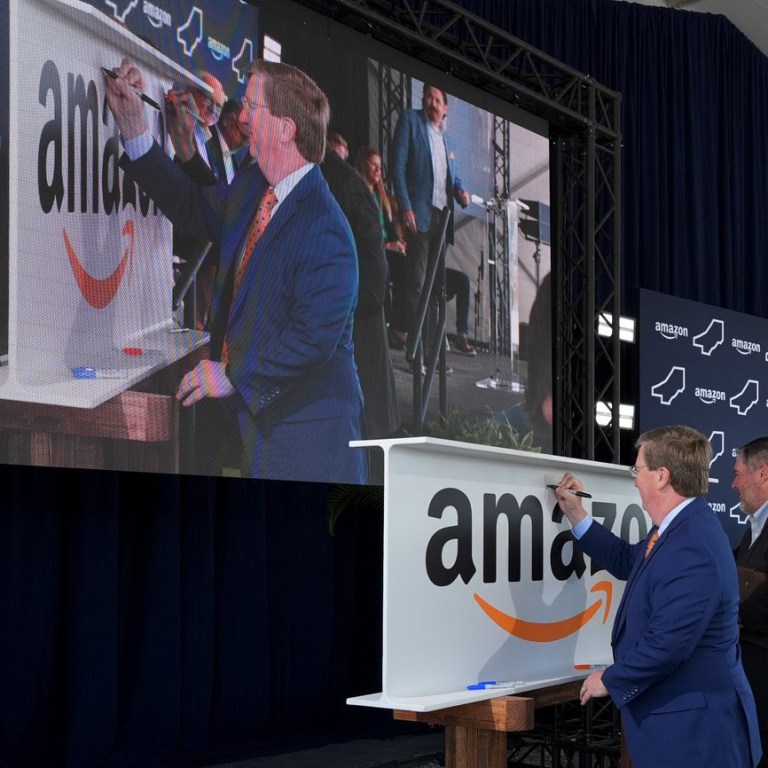

Overview: The tech sector is not witnessing the complete collapse of artificial intelligence, but it is facing a fierce financial reality check. Billions of dollars poured into high-priced data center infrastructure and advanced chips have created a massive gap between corporate spending and actual cash returns. Tech giants are reacting by slashing hundreds of thousands of jobs and offloading environmental burdens onto working-class neighborhoods and communities of color. What looks like an innovation boom on paper is rapidly turning into an economic squeeze for everyday workers, households, and consumers.

Tech Giants Slash Payroll to Fund Overheated Data Center Infrastructure While Working-Class Neighborhoods Foot the Power Bill
The Reality Behind the Silicon Screen
Walk into any boardroom or look at the latest corporate earnings report, and you will hear executive teams preach about an artificial intelligence revolution. They promise automated productivity, instant software generation, and record-breaking margins.
Look at the ground level, and the picture looks entirely different
Over the past year, tracking data reveals that tech companies have eliminated well over one hundred and forty thousand jobs. Global brands like Amazon, Microsoft, Oracle, and Salesforce have trimmed thousands of workers from customer support, administrative roles, devices, and core engineering divisions.
Here is the dirty secret behind those headline numbers. Companies are not laying people off because artificial intelligence is already doing their jobs with flawless precision. They are cutting staff because they need to reallocate billions of dollars in cash payroll toward building gigantic data centers, buying specialized processors, and paying massive commercial electricity bills.
In plain terms, human payroll is being cannibalized to fund an infrastructure gamble.
The Trillion Dollar ROI Trap
Wall Street is starting to ask the only question that actually matters in business. Where is the real return on investment?
For two years, venture funds and tech giants poured money into simple software wrappers and speculative models. Everyone claimed their tool would change the future of work. Yet enterprise customers are discovering that paying high monthly subscription fees for automated text and uncertain coding shortcuts does not automatically improve their bottom line.
Downstream revenues are trickling in while data center construction costs continue to skyrocket. When companies spend four dollars on infrastructure for every single dollar they earn in actual customer revenue, basic math catches up with them.
This is the exact financial playbook we saw during the late nineties dot-com era. Massive fiber-optic cables were laid across the country, speculative internet companies went belly up, and the market suffered a painful reset. The technology survived, but the financial bubble popped. We are watching history repeat itself in real time.
What This Means for Your Wallet
While corporate boardrooms debate market valuations, everyday consumers and families are feeling the financial aftershocks directly in their household budgets:
- Higher Monthly Electric Bills: Data centers consume massive amounts of regional power, forcing regional utilities to upgrade grid infrastructure. Public utility commissions routinely pass these massive capital improvements onto residential customers through higher monthly base rates.
- The Subscription Creep Tax: Software platforms, creative tools, and basic operating systems are rolling out mandatory price hikes to subsidize their internal computational spend. Whether you run a freelance studio, manage an online shop, or just pay for cloud storage, your monthly digital overhead is climbing.
- Squeezed Household Income: Tech layoffs do not stay contained within Silicon Valley. As hiring freezes spread across back-office operations, administrative support, and marketing, household wage growth slows and second-earner income streams dry up.
- Inflationary Pass-Through on Everyday Goods: Retailers investing millions into experimental automated tools are passing those technical overhead expenses directly to shoppers at the checkout counter.
The Environmental Price in Your Backyard
While Silicon Valley talks about the digital cloud, that cloud exists in the physical world. It requires millions of square feet of concrete, thousands of diesel backup generators, and millions of gallons of water every day to cool overheating servers.
Where are these massive data facilities getting built?
They are rarely placed in wealthy, gated communities. Tech developers target working-class towns, semi-rural counties, and majority-Black and brown neighborhoods. Local residents suddenly find themselves fighting against skyrocketing utility rates, continuous industrial humming, and polluted local waterways.
Communities across states like Virginia, Georgia, and the Midwest are pushing back hard. City council meetings that used to handle local zoning permits are now battlegrounds against utility companies that want everyday residents to subsidize the extreme power demands of tech hyperscalers. When artificial intelligence strains the public power grid, working-class households pay the price on their monthly electric bills.
The Squeeze on Black and Brown Communities
The human impact does not stop at community power lines. The workforce reality is hitting diverse workers first and hardest.
Decades of slow, hard-fought diversity gains inside major tech companies are unraveling. When corporations execute sweeping layoffs across human resources, customer success, marketing, and mid-tier management, diversity, equity, and inclusion initiatives get eliminated first. The very entry points that opened doors for Black, Latino, and underserved professionals are being locked shut.
Meanwhile, consumers of color face the sharp edge of unvetted algorithmic rollouts:
- Automated hiring filters reject qualified resumes from non-traditional backgrounds before a human eye ever sees them.
- Machine-driven credit scoring tools and tenant screening algorithms continue to reinforce historical redlining patterns.
- Small minority-owned businesses get bombarded with expensive corporate software subscriptions that overpromise automated revenue and underdeliver practical sales.
- The divide is widening rapidly. Elite developers and enterprise shareholders collect the upside, while diverse workers and neighborhoods absorb the layoffs, the utility hikes, and the automated gatekeeping.
Is the Bubble Really Bursting?
Artificial intelligence is not going to disappear overnight. The computational power, pattern recognition, and specialized workflow enhancements are permanent additions to global commerce.
However, the easy-money gold rush is officially dead.
Companies can no longer appease Wall Street by slapping machine-learning buzzwords into an annual pitch deck. Investors are demanding real profits, sustainable unit economics, and lower infrastructure burn rates. Organizations that laid off critical human teams too quickly are already experiencing an expensive operational bounce, forcing them to hire back seasoned specialists to clean up chaotic automated workflows.
The current market shakeout is a mandatory wake-up call. Real technology serves communities, builds sustainable careers, and solves practical human challenges. If a digital revolution only creates corporate layoffs, higher power bills for everyday families, and closed doors for the next generation of talent, the public has every right to ask who that revolution was actually built for.
#AIBubble #TechLayoffs #CostOfLiving