

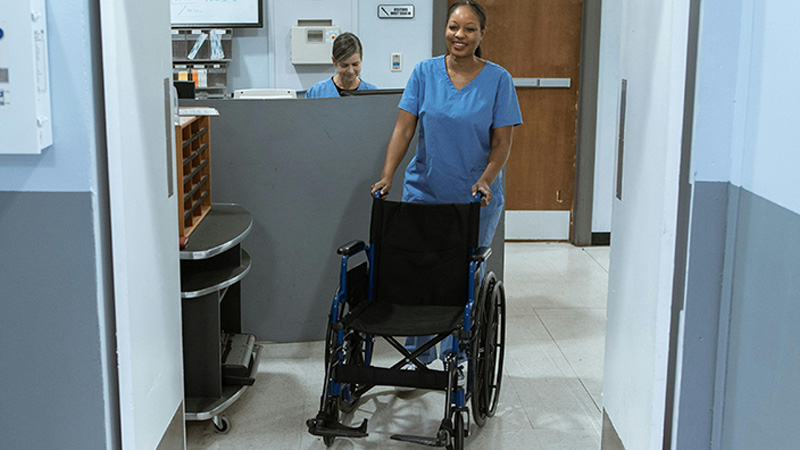
From Hospital to Home: 9 Vital Tips for a Safe Transition
Safe hospital to home transition planning is the most critical factor in preventing medical setbacks and unplanned readmissions. When a loved one is cleared for discharge, the excitement of returning home is often clouded by the stress of managing new medications, follow-up appointments, and physical limitations. Consequently, by following a structured discharge process, families can ensure that the move from a clinical setting to the comfort of home is both smooth and secure.
The Importance of Professional Discharge Planning
The period immediately following a hospital stay is a high-risk window for complications. Therefore, a formal safe hospital to home transition ensures that every member of the care team—from doctors to family caregivers—is on the same page regarding the patient’s recovery trajectory. Without this coordination, patients often face “the revolving door” of healthcare, returning to the ER within days.

9 Steps for a Secure Move Home
1. Confirm the Discharge Summary
First and foremost, before leaving the facility, ensure you have a written summary of the hospital stay. This document should include the primary reason for admission, any procedures performed, and a list of new diagnoses. Furthermore, make sure this summary is shared with the patient’s primary care physician immediately.
2. Complete a Medication Reconciliation
Next, you must conduct a thorough medication review. List all pre-hospital medications alongside the new prescriptions provided at discharge. It is vital to clarify dosages, potential side effects, and specifically which old medications should be discontinued. This step is essential because it helps avoid dangerous drug interactions during your safe hospital to home transition.
3. Schedule Follow-Up Appointments
Additionally, do not leave the building without confirmed dates and times for follow-up visits. Prompt check-ins with primary care physicians and specialists are a cornerstone of long-term health. If the hospital doesn’t schedule these for you, ensure you call the offices before the first day home.
4. Arrange for Medical Equipment
Meanwhile, you should address physical needs. Whether it is a walker, oxygen tank, or hospital bed, ensure all durable medical equipment (DME) is delivered and set up at home before the patient arrives. This preparation ensures that the safe hospital to home transition doesn’t stall due to a lack of mobility aids.
5. Identify the Primary Caregiver
In addition to equipment, human support is necessary. Clearly define who will be responsible for daily tasks such as wound care, meal preparation, and transportation. By having a designated point person, you significantly reduce confusion and emotional stress for the patient.
Managing the Home Environment and Long-Term Care
6. Assess Home Safety Hazards
Once the caregiver is identified, prepare the living space. For instance, you should remove trip hazards like throw rugs, ensure every hallway has adequate lighting, and consider setting up a temporary sleeping area on the ground floor to avoid stairs. As a result of these changes, the risk of falls—a leading cause of readmission—is greatly reduced.
7. Understand Warning Signs
Moreover, ask the medical team for a specific list of “red flag” symptoms. Understanding exactly when to call the doctor, and more importantly, when to head back to the emergency room, can be life-saving during a safe hospital to home transition.
8. Coordinate Home Health Services
If the doctor has ordered physical therapy or skilled nursing, verify the exact date of the first home visit. Because these professionals are vital allies in recovery, staying in close contact with the home health agency is paramount. You can find more insights on navigating complex care systems at thenarrativematters.com.
9. Organize Safe Transportation
Finally, organize the ride home. Ensure the vehicle used for transport can accommodate the patient comfortably. More importantly, have a plan for getting the patient from the car into the house safely, especially if there are steep driveways or narrow entryways.
Recovering at home doesn’t have to be overwhelming. By following these nine steps and leaning on the support of At Home Care, families can help their loved ones recover safely, maintain independence, and regain confidence in their daily lives.
To learn more about how At Home Care can assist with hospital-to-home transitions or to speak with a Nurse Manager about a personalized care plan, visit www.AtHomeCareHealth.com or call 1-866-284-6638.
At Home Care
At Home Care is a trusted in-home care agency offering a range of services, including home health care and community-based support. They cater to seniors, disabled veterans, children with special needs, and adults requiring assistance, ensuring personalized care plans developed with the help of Nurse Managers. Their professional team provides 24/7 care, helping clients remain in the comfort of their homes rather than moving to a facility.
How to Contact At Home Care
Website: Visit athomecarehealth.com for more details about their services.
Social Media: Connect with them on Facebook, X, and Instagram.
#PatientSafety #HomeRecovery #HospitalToHome