

Top World News Stories Week March 20
Here are the top world news stories for the week of March 20. SEO Title: Global Energy Crisis: Gas Fields, Hormuz Closure & Oil Spikes
Meta Description: The 2026 global energy crisis stems from Iran gas field attacks, the Strait of Hormuz closure, and soaring oil prices. Learn how these events affect fuel.
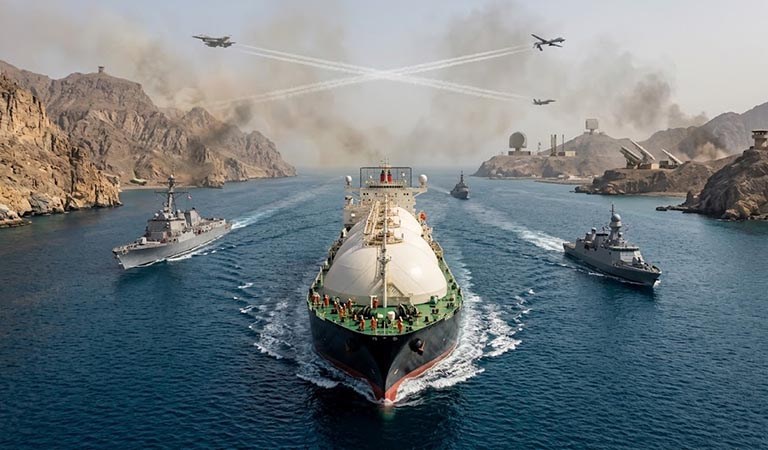
Image Alt Attribute: Global Energy Crisis impacting international shipping routes, oil refineries, and fuel prices.
Global Energy Crisis: Gas Field Attacks, Hormuz Closure, and Oil Spikes
We are currently watching a severe global energy crisis unfold. Driven by a sequence of international events between March 16 and March 19, 2026, the worldwide fuel supply chain is facing unprecedented pressure. If you purchase fuel, manage logistics, or simply pay for electricity, you will likely feel the impacts of these geopolitical shifts. This article breaks down the three primary drivers behind this worldwide power emergency: the recent military strikes on Iran’s South Pars gas field, the subsequent closure of the Strait of Hormuz, and the domestic response in the United States to stabilize markets.
The Spark: South Pars Gas Field and the Escalation
The immediate catalyst for the current global energy crisis was a significant military strike on Iran’s South Pars gas field. As the world’s largest natural gas reserve, South Pars plays a critical role in international energy markets.
The attack caused massive fires and substantial damage to the region’s energy infrastructure. This disruption immediately removed a massive volume of natural gas from the global market. Furthermore, this event triggered a series of retaliatory strikes. Energy facilities across the Gulf region, including Qatar’s Ras Laffan facility, suffered damage. This cascading destruction sent shockwaves through the commodities markets, leading to immediate spikes in natural gas and crude oil prices.
Infrastructure Damage and Supply Drops
When facilities like South Pars and Ras Laffan go offline, the effects ripple outward instantly. Refineries cannot process missing raw materials, and utility companies cannot generate power. As supplies drop, energy traders push prices higher to reflect the sudden scarcity. We are seeing these elevated costs passed directly down the supply chain, affecting industrial manufacturing and consumer utilities alike.
The Chokepoint: Strait of Hormuz Shuttered
Compounding the facility damages is a severe logistical nightmare. The ongoing regional conflict has effectively shuttered the Strait of Hormuz. This narrow waterway is arguably the most critical chokepoint for international oil transit. Historically, a massive percentage of the world’s daily oil consumption passes through this strait.
With the waterway closed to commercial shipping, oil tankers must find alternative routes or sit idle. European allies and international maritime organizations are scrambling to secure the region and find ways to reopen the shipping route safely.
Rerouting Tankers and Acute Fuel Shortages
Rerouting oil tankers adds thousands of miles and weeks of travel time to regular delivery schedules. This delay creates acute fuel shortages in nations that rely on steady, just-in-time fuel deliveries. Furthermore, the increased shipping time drives up freight and insurance costs. These added logistical expenses contribute heavily to the soaring price of crude oil, which recently breached the $100-per-barrel mark.
United States Response: The Jones Act and Beyond
In response to the global energy crisis, the United States government is making major policy moves to mitigate the damage. With oil prices spiking and warnings of a major domestic fuel crunch, the White House announced a 60-day waiver of the Jones Act.
The Jones Act typically requires goods shipped between U.S. ports to be transported on ships that are built, owned, and operated by United States citizens. By waiving this requirement, the administration aims to increase the availability of vessels that can transport fuel along the American coastlines.
Waiving Regulations to Stabilize Markets
Waiving the Jones Act allows foreign-flagged tankers to move domestic oil and liquefied natural gas from production hubs like the Gulf of Mexico to high-demand areas like the Northeast. This regulatory relief is designed to stabilize energy flow and prevent localized fuel shortages. Meanwhile, leadership evaluates broader strategic decisions regarding overseas deployments and supply chain security to navigate the volatile international landscape.
Moving Forward
The interconnected nature of our global economy means that a fire at a gas field across the world quickly translates to higher prices at your local fuel pump. Understanding the mechanics of this global energy crisis helps you prepare for continued market volatility. Expect elevated fuel and freight costs until international waters reopen and infrastructure repairs begin.
For more insights into how international events shape domestic realities, check out related geopolitical analysis at thenarrativematters.com.
#GlobalEnergyCrisis #HormuzClosure #OilPrices