
Overview: Personalizing a workspace with items like family photos, figurines, and unique decor significantly boosts productivity, belonging, and morale while lowering burnout. Backed by research from the Harvard Business Review and Psychology Today, having the autonomy to curate a desk serves as an emotional anchor, builds territorial identity, and acts as an organic icebreaker among colleagues.

Articulated Insight – “News, Race and Culture in the Information Age”
How Desk Personalization and Curated Workspaces Drive Employee Morale, Focus, and Retention
A few personal keepsakes, a favorite print, or a collectible on your desk might look like simple clutter to an outsider. In reality, those small items directly influence motivation, focus, and daily performance.
I was still in high school when the 2020 shutdowns hit, juggling both my junior and senior course loads at the same time.
Months before everything closed, I received approval for early graduation on one condition: I had to carry a heavy load of summer online classes alongside my standard coursework. I already knew it would test my limits. Then the lockdown forced all my classes remote overnight. Every subject blurred into the next, screen fatigue set in, and my bedroom turned into an academic pressure cooker. I started questioning whether I could finish what I started.
That was when my parents stepped in with a practical fix.
They set up a folding screen to section off my room, swapped out my stiff chair for an ergonomic one, and attached a clear acrylic bird feeder directly outside the window next to my desk.
The shift was immediate. That folding screen physically blocked visual noise from the hallway. The chair solved my restlessness. Watching finches visit the glass gave my eyes a clean mental break between grueling assignments. By turning a generic corner into an intentional work station, my output jumped. I felt settled, alert, and back in command of my schedule.
The Hard Science Behind Workspace Personalization
Aesthetic comfort is not a frivolous perk. It produces measurable psychological and organizational returns.
- Psychological Safety and Belonging
A field study highlighted by Harvard Business Review revealed that workers report a far stronger sense of team belonging when companies give them total freedom to modify their environments. When people were encouraged to curate their desks, corporate rows warmed up fast. Team members brought in framed photographs, personal illustrations, travel mementos, and in one memorable instance, an actual kite strung across ceiling tiles.
When team members see their identity mirrored in their physical environment, they invest deeper emotional energy into their roles.
- Guarding Against Daily Burnout
Research highlighted by Psychology Today found that highly personalized workstations correlate directly with reduced emotional exhaustion. Personal items serve two essential psychological functions:
They offer an authentic outlet for self-expression during rigid work routines.
They create clear territorial boundaries, providing an emotional anchor within loud, shared office plans.
Turning Floor Plans into Personal Sanctuaries
Every organization debates office layouts. Some people thrive inside closed offices, while others find quiet doors alienating. Some love the spontaneous energy of an open floor plan, while others find open desks exposed, loud, and distracting.
Layout debates often miss the real point: agency.
Whether you work out of a corporate downtown hub, a shared desk, or a small home office, the ability to claim your space makes the difference. A desk plant, a travel snapshot, or a miniature figurine transforms an anonymous rectangle of laminate into your personal launchpad.
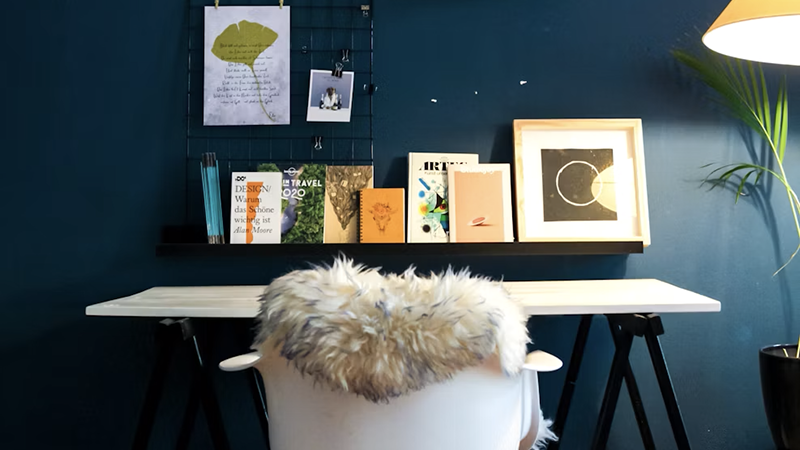
Today, my setup goes well beyond a basic divider and a good chair. My workspace features art books, funky lighting, framed prints, and display shelves packed with vinyl art toys and Funko pops.
These items are not distractions; they are quiet conversational engines. They give colleagues an immediate read on who I am outside of deadlines and spreadsheets, breaking through corporate stiffness before a meeting even starts.
If you run a team or design an office culture, stop policing clear-desk policies. Encourage your people to claim their corners. A desk that shows personality belongs to a worker who feels rooted, focused, and ready to produce their best work.
About Future Ready Voices:
GenZ Future Ready Voices: GenZ is a dynamic blog spotlighting the insights, values, and evolving expectations of younger generations shaping today’s workplace and the broader world. It explores how emerging professionals think about leadership, purpose, inclusion, and innovation—offering a forward-looking lens on what comes next. While grounded in the perspectives of Gen Z and Millennials, the blog is designed for anyone willing to challenge assumptions and embrace new ideas. It creates a space where fresh thinking meets experience, encouraging meaningful dialogue across generations and inspiring leaders, organizations, and individuals to adapt, grow, and lead with greater awareness in a rapidly changing world.
#WorkspaceWellness #WorkplaceCulture #ProductivityHacks