
Overview: Global flashpoints expanded rapidly this week following UN findings that cited reasonable grounds for potential US war crimes during strikes in Iran, notably at a primary school in Minab. Concurrently, Houthi forces seized key Red Sea islands, disrupting major shipping lanes, while Brussels extended a controversial associate membership proposal to Canada.

UN war crimes findings and maritime route chokepoints challenge international diplomacy
Global Flashpoints: Iran Strike Fallout, Red Sea Shipping War, and Canada’s EU Pivot
Red Sea Clashes and Iran Civilian Toll
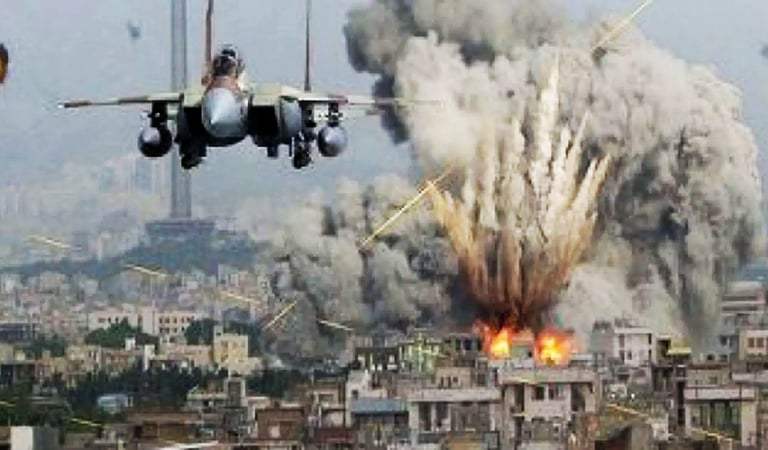
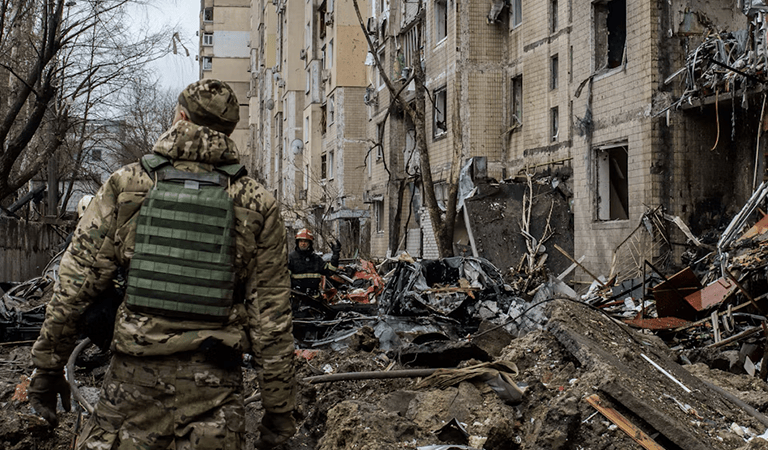
Global flashpoints are redrawing trade routes and international law this week. United Nations human rights investigators issued findings detailing reasonable grounds that US strikes in Iran breached international statutes. The focal point is Minab, where high civilian casualties at a local school prompted global outrage.
Regional instability deepened when Houthi forces seized the Hanish Islands along vital Red Sea shipping corridors. The seizure triggered immediate air raids from Saudi Arabia and quiet diplomatic warnings from Beijing to Tehran. For operators tracking maritime logistics, transport risk premiums through the Suez corridor just hit record highs.
Western Alliances Fracturing
Ottawa Looks Across the Atlantic
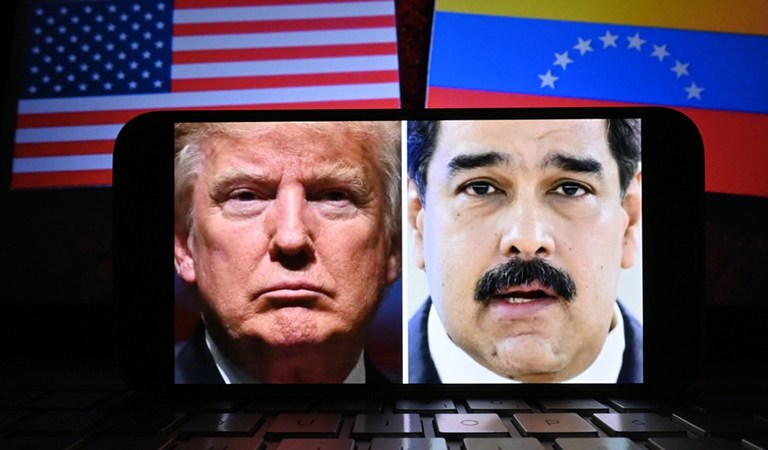
Brussels extended an associate membership offer to Canada to reinforce trade security. The move represents an unprecedented shift in Western trade architecture, but Washington reacted swiftly. The Trump administration threatened punitive tariffs against European imports if Ottawa signs the pact. You can review official treaty language via the European External Action Service.
Diplomatic isolation is accelerating economic nationalism. As Middle East security deteriorates, historic alliances are splintering under unilateral tariff threats and fragmented global priorities
#GlobalFlashpoints #RedSeaCrisis #Geopolitics