
Overview: Political power plays reshuffled foreign policy and executive accountability this week after House Foreign Affairs leadership blocked a $2.8 billion munitions transfer to Israel over civilian safety protocols. In parallel, congressional watchdogs opened scrutiny into offshore wedding financing involving a Russian oligarch, while Swedish leadership underwent a transition following parliamentary shifts.
Congressional vetoes, scrutiny over foreign funds, and European governance changes test leaders
Political Power Plays: Arms Sale Veto, Russian Oligarch Ties, and European Turmoil
Capitol Hill Standoffs and Campaign Finance
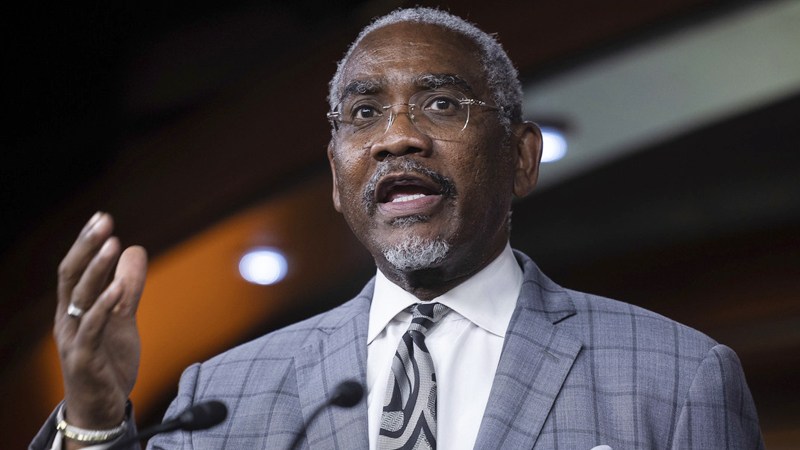
Political power plays in Washington collided with foreign policy when Representative Gregory Meeks used his committee authority to block a $2.8 billion transfer of 2,000-pound munitions to Israel. Meeks cited the absence of credible civilian protection protocols in active zones.
Simultaneously, a federal report confirmed that a Russian tycoon closely aligned with Vladimir Putin financed luxury wedding festivities for Donald Trump Jr. in the Bahamas. The revelations sparked immediate calls from House watchdogs for expanded ethics probes into foreign influence.
Nordic Resignations and Managed Ballots
Scandinavian Coalition Fractures
Stockholm entered a sudden leadership transition after Prime Minister Ulf Kristersson tendered his resignation following a narrow parliamentary loss. Left-leaning parties secured sufficient margins to form a minority government, upending Scandinavian trade alignments. For background on the transition, follow updates via the Government Offices of Sweden.
Further east, Moscow held controlled parliamentary elections to solidify legislative backing for extended regional conflicts. Established governments are navigating profound domestic resistance, fractured legislatures, and deep scrutiny over international deals.
#ForeignPolicy #CongressionalOversight #WorldPolitics