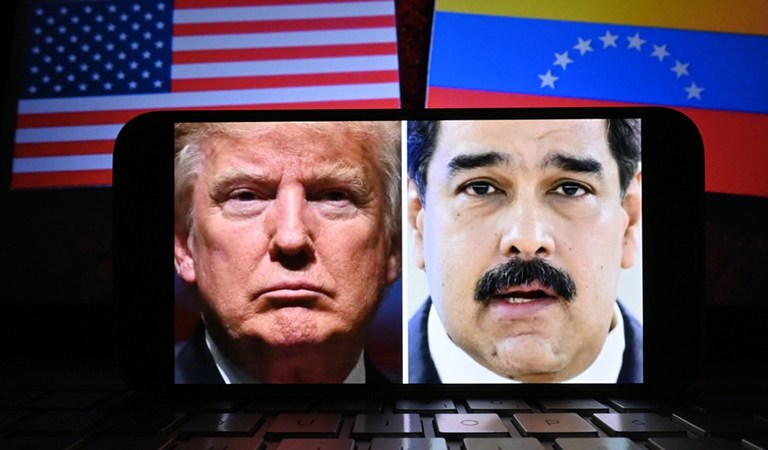

Overview: The White House press standoff intensified after several barred reporters were blocked from covering the bilateral dinner between President Trump and Chinese President Xi Jinping. Amid diplomatic posturing, global crude oil prices surged past $105 per barrel and federal judges blocked unilateral executive asylum removals.
Reporters face exclusion at the executive dinner while $105 oil shocks and courtroom battles over asylum test the administration.
White House Press Standoff Escalates Amid High-Stakes Diplomacy
The White House press standoff took center stage during an already volatile diplomatic week in Washington. What should have been a scripted display of bilateral cooperation between President Donald Trump and Chinese President Xi Jinping turned into a direct clash between the executive branch and national media outlets. The confrontation reveals how modern statecraft, media access, and global market shocks collide when administrations test established norms.
Diplomatic Strategy Collides with Media Restrictions
Federal judges moved quickly to block blanket restrictions against major news organizations. Even so, several designated correspondents could not enter the state dinner to cover talks between Trump and Xi. The restrictions came right as the two leaders attempted to hammer out high-priority agreements on trade tariffs and critical technology supply chains.
Limiting access does not stop information flow. Instead, it invites heightened scrutiny from global markets and trading partners. For deep analysis on how modern media narratives shape executive power, examine our reporting at The Narrative Matters.
Energy Shocks and Judicial Interventions
Crude prices surged past $105 per barrel following sharp rhetoric directed at Tehran from the United Nations General Assembly floor.
Regional security risks spiked after threats emerged regarding maritime transit points across the Red Sea and the Strait of Hormuz.
Federal judges issued emergency injunctions against expedited third-country deportations, ruling that administrative agencies must maintain transparent detainee tracking.
The ongoing White House press standoff highlights deeper friction inside Washington institutions. When domestic disputes over transparency overlap with $105 crude oil and high-stakes summits with Beijing, the operational room for error shrinks dramatically. Stable governance requires clear communication channels at home and abroad.
#WhiteHouse #USChina #EnergyMarkets