


Articulated Insight – “News, Race and Culture in the Information Age”
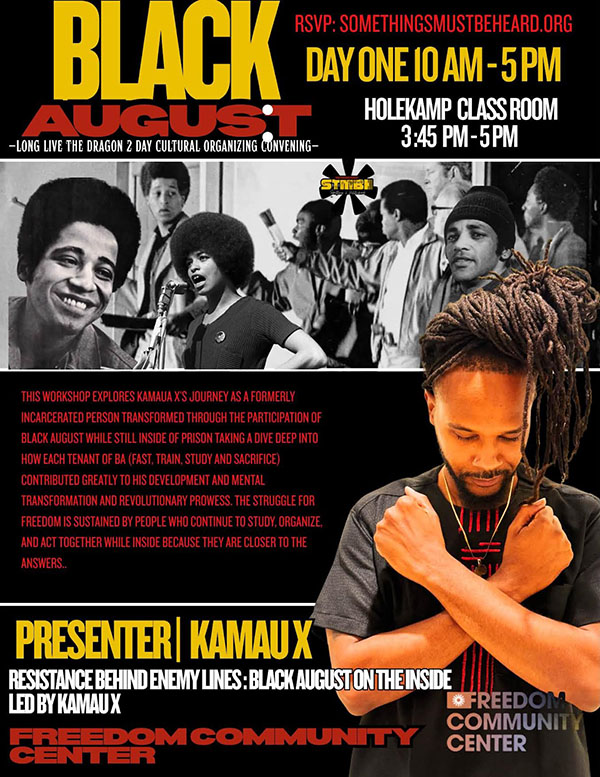
Overview: Long Live the Dragon, a two-day Black August convening in St. Louis organized by Tracy “T-Spirit” Stanton’s Some Things Must Be Heard: Spitting & Politicking, shifted the traditional narrative on criminal justice. Rather than treating formerly and currently incarcerated individuals as mere statistics or passive subjects, the event positioned systems-impacted artists, healers, and activists as central leaders, strategists, and educators using spoken word and cultural organizing to drive real community liberation and restorative justice.
How grassroots organizers and systems-impacted artists in St. Louis are turning lived experience into leadership, art, and community liberation.
ST. LOUIS, MO — Some conversations are uncomfortable. Some are necessary. And then there are conversations that have been waiting far too long to be heard. Those conversations took center stage in St. Louis during Long Live the Dragon, a two-day Black August convening presented by Some Things Must Be Heard: Spitting & Politicking, founded by spoken-word artist and cultural organizer Tracy “T-Spirit” Stanton. The gathering brought together formerly and currently incarcerated and systems-impacted artists, organizers, healers and community members for a weekend focused on history, advocacy, restorative justice, nonviolence, culture, art and spirituality. But what made the gathering especially significant was not simply what was being discussed. It was who was leading the conversation. Rather than placing people with lived experience on the sidelines while others explained their experiences for them, Long Live the Dragon intentionally centered those who have lived through incarceration and systems involvement as teachers, organizers, artists and strategists. That distinction became one of the central themes of my conversation with Stanton and cultural organizer Tau Kamau Adwin.
A Conversation That Starts With Listening
As a journalist, one of the questions I wanted to explore was why a platform like Some Things Must Be Heard is necessary in the first place. The answer is embedded in the organization’s name.
Some Things Must Be Heard.
Stanton’s work challenges audiences to listen to people and communities whose stories are often reduced to statistics, headlines, criminal records or political talking points. But behind every statistic is a human being.Behind every prison number is a family. Behind every conviction is a story. And behind every person returning home is the question of what happens next. Long Live the Dragon created room for those questions to be explored by people who understand them firsthand.
Black August Beyond the History Books
Black August was another major thread running throughout the weekend. For many people, Black August may be a phrase they have encountered without fully understanding its historical and cultural significance. The convening provided an opportunity to move beyond simply remembering history and instead examine how its lessons continue to resonate today. That was particularly important in St. Louis, a city with its own deep history of Black activism, organizing, resistance and community transformation. The weekend challenged attendees to consider what Black August means in the present—not simply as a historical observance, but as an opportunity to think about freedom, justice, resistance, community and liberation. The conversation wasn’t about placing history behind glass. It was about asking what today’s generation is supposed to do with it.
When Lived Experience Becomes Leadership
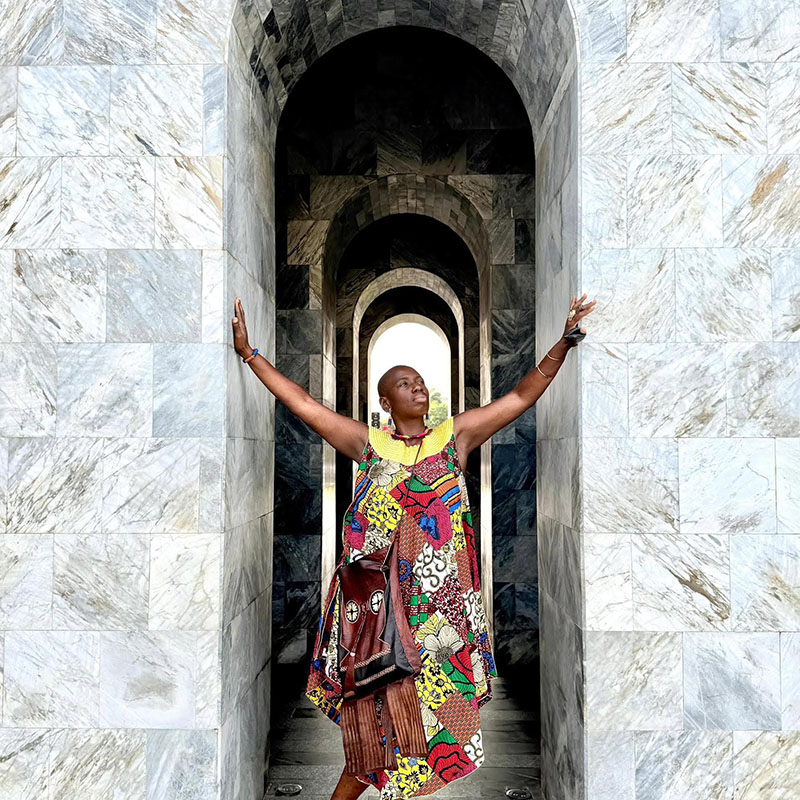
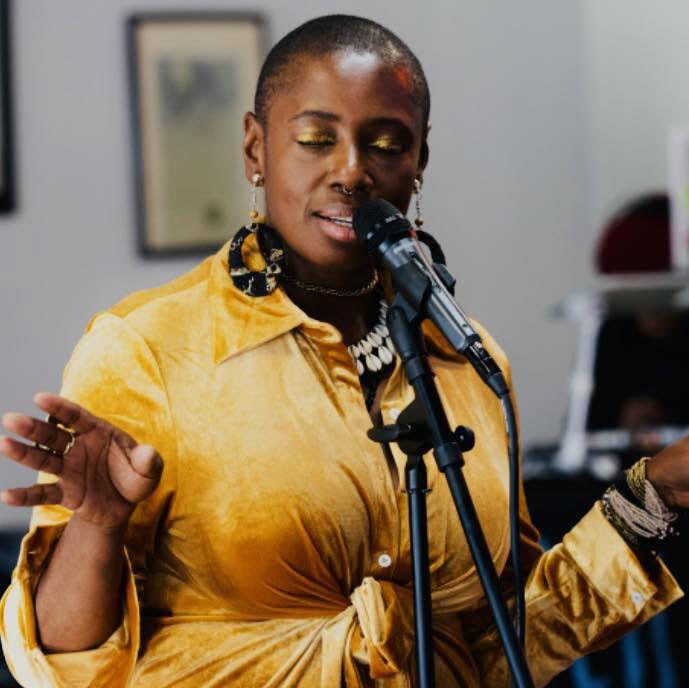
One of the strongest themes to emerge from my interviews with Stanton and Adwin was the importance of lived experience. Too often, conversations about incarceration happen without the people most directly affected having meaningful control over the conversation. Long Live the Dragon took a different approach. People who have experienced incarceration and systems involvement weren’t simply invited to tell their stories. They were positioned as people with knowledge, leadership, creativity and solutions.
That matters.There is a difference between being spoken about and being listened to. There is a difference between being invited into a room and being trusted to help lead the room. And there is a difference between surviving an experience and being recognized as someone who can teach others because of what you survived.
Art as Resistance
The second day of the gathering, Art as Resistance, explored another powerful idea: that art is not merely entertainment. For generations, artists have used poetry, music, theater, visual art and storytelling to document history, challenge injustice and give language to emotions that can be difficult to express. For spoken-word artists and cultural organizers like Stanton, that connection is especially significant.A poem can confront. A song can remember. A painting can provoke. A performance can make an audience uncomfortable enough to begin asking questions. And sometimes, art can reach people in ways that a policy paper or political speech never could. The weekend demonstrated that resistance does not always look like a march or a protest. Sometimes resistance looks like creating, healing, organizing, teaching and telling the truth.
The Importance of Healing
Another important element of Long Live the Dragon was the inclusion of healers and conversations around spirituality. That addition speaks to a reality that is often overlooked in conversations about incarceration and systemic harm: changing systems is important, but so is addressing the emotional and spiritual impact those systems can leave behind. Restorative justice asks difficult questions about accountability, harm, repair and reconciliation. But healing asks another question:
What does a person need in order to move forward?
For communities that have experienced generations of trauma, those questions cannot easily be separated.
Connecting Generations to History
The presence of Jonathan Peter Jackson Jr., son of Jonathan Jackson and nephew of George Jackson, added another significant historical dimension to the weekend. His family connection offered an opportunity to bridge generations and remind attendees that history isn’t always something found in textbooks. Sometimes history has a face. Sometimes it has a family. Sometimes it walks into the room and tells you what happened. That connection between past and present is critical because younger generations cannot be expected to carry history forward if they are never given an opportunity to understand it.
A St. Louis Conversation With National Significance
Although Long Live the Dragon was rooted in St. Louis, the questions raised throughout the weekend extend far beyond the city. How do we treat people coming home from incarceration? Who gets to tell the story? What does restorative justice really look like? How can art become a vehicle for healing and resistance? What responsibility does society have to listen to people who have experienced its systems firsthand? And perhaps most importantly:
What does freedom actually mean?
Those questions don’t have simple answers. But conversations don’t always need to begin with answers. Sometimes they need to begin with people willing to listen.
“Some Things Must Be Heard”
My conversation with Tracy “T-Spirit” Stanton and Tau Kamau Adwin left one thing particularly clear: Long Live the Dragon was about more than a two-day gathering. It was about creating space. Space for stories. Space for art. Space for history. Space for healing. Space for people whose voices have too often been pushed to the margins. And space for St. Louis to have conversations that cannot be reduced to a headline or a statistic. As a journalist, I believe one of the most important things we can do is listen closely enough to understand the stories behind the stories. That is what made this conversation so powerful. Because sometimes the people society has spent years trying to define are the very people who deserve the opportunity to define themselves. And sometimes the most important thing we can do is simply open our ears.
Some things must be heard.
#BlackAugust #StLouisVoices #RestorativeJustice