

Overview: The FDA has granted premarket approval to IsoPSA, an innovative blood-based diagnostic test designed for men aged 50 and older presenting with elevated prostate-specific antigen (PSA) levels. Unlike conventional screening assays that count only the volume of circulating protein, IsoPSA evaluates changes in the physical structure of PSA proteins. This approach cuts unnecessary prostate biopsies by approximately 46 percent for high-grade disease while maintaining a 90 percent sensitivity rate for detecting aggressive cancers, providing clear clarity in the historically ambiguous 4 to 10 ng/mL diagnostic gray zone.
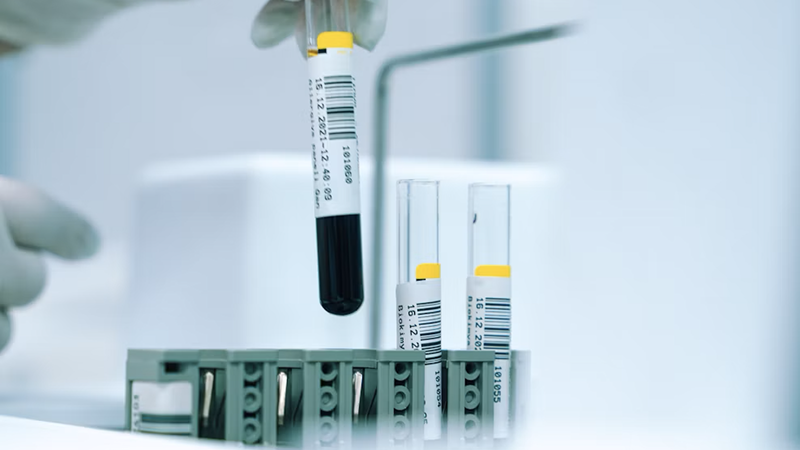
The Era of Guesswork in Prostate Cancer Is Ending
For decades, getting an elevated PSA test was an express ticket to an operating table.
Your doctor ran standard blood work. Your PSA number came back slightly above normal. Panic set in, and the next step was almost always a needle biopsy.
Men who have been through a prostate biopsy know the drill. It is painful, carries a real threat of severe infection, and triggers weeks of sleepless nights.
The worst part? Most of those men never had life-threatening cancer to begin with. Standard PSA tests flag swollen prostates, simple aging, and minor infections just as easily as they flag aggressive tumors. The medical system leaned on a blunt metric, and patients paid the physical and emotional price.
That diagnostic blind spot just met its match. The FDA officially approved a new blood test called IsoPSA. Developed out of years of clinical research connected to Cleveland Clinic experts, this diagnostic tool solves one of the biggest bottlenecks in men’s health. It tells doctors who actually needs an invasive procedure and who can safely walk away.
Moving Beyond Simple Numbers to Real Biology
Standard PSA tests measure quantity. They count the volume of prostate-specific antigens floating in your blood. The problem is that healthy cells produce PSA, irritated cells produce PSA, and cancerous cells produce PSA. Counting numbers alone does not tell the full story.
IsoPSA takes a smarter route. It looks at the actual physical shape and structural variations of the proteins.
Cancer changes biology down to how proteins fold and interact. Malignant cells produce structurally altered proteins that behave differently than the proteins generated by a harmless, enlarged prostate. IsoPSA isolates these specific shapes from a standard blood draw.
Instead of guessing based on an arbitrary volume threshold, clinicians now get a clear structural readout. It targets biological behavior, not just raw volume.
Halving the Need for Invasive Procedures
The clinical fallout of this shift is massive.
In large multicenter clinical trials evaluating men aged 50 and older with elevated PSA levels, IsoPSA outperformed both standard total PSA and free PSA testing across every primary benchmark.
The standout result: IsoPSA cut unnecessary biopsies by roughly 46 percent for high-grade disease.
Think about what that means in the real world. Nearly half of the men sitting in urology clinics facing painful procedures can bypass the biopsy entirely. Their doctors can confirm that the spike in PSA comes from benign changes rather than dangerous tumors, without sticking a dozen needles into tissue to find out.
At the same time, the test keeps its teeth where it matters most. It catches high-grade, aggressive cancers with roughly 90 percent sensitivity. It does not trade safety for convenience. It delivers precision.
Breaking the Deadlock in the Gray Zone
Every primary care doctor and urologist knows the frustration of the four to ten PSA range. It is known throughout medicine as the diagnostic gray zone.
If a man lands in this bracket, standard tools give very little actionable guidance. Is it early-stage aggressive disease, or is it just benign prostatic hyperplasia? Historically, the default reaction was to biopsy out of caution.
IsoPSA cuts straight through that uncertainty. By measuring structural disease markers directly, it gives doctors clear separation between harmless inflammation and high-grade threats right inside that ambiguous range.
Major medical guidelines, including the National Comprehensive Cancer Network and the American Urological Association, have already built IsoPSA into their early detection roadmaps. The official FDA premarket approval clears the runway for broad commercial availability across clinics nationwide.
The Bottom Line for Men and Healthcare Systems
This is what clinical innovation looks like when it genuinely serves the patient.
Better diagnostics lower overhead, free up surgical schedules for genuine emergencies, and eliminate thousands of preventable hospitalizations from biopsy-related infections. More importantly, it removes the heavy psychological toll of false alarms for men and their families.
If you are over 50, or if you have a family history that puts you on watch, your health playbook just changed. An elevated PSA is no longer an automatic command to undergo a biopsy.
Ask your physician directly about structural testing and whether IsoPSA is available before scheduling an invasive procedure. The technology to know the difference exists today, and nobody should settle for yesterday’s blunt instruments.
References:
Klein, E. A., Partin, A., Lotan, Y., et al. (2022). Clinical validation of IsoPSA, a single parameter, structure-focused assay for improved detection of prostate cancer: A prospective, multicenter study. Urologic Oncology: Seminars and Original Investigations, 40(9), 408.e9–408.e18. https://doi.org/10.1016/j.urolonc.2022.06.002
Cited by: 35
Klein, E. A., Chait, A., Hafron, J. M., et al. (2017). The Single-parameter, Structure-based IsoPSA Assay Demonstrates Improved Diagnostic Accuracy for Detection of Any Prostate Cancer and High-grade Prostate Cancer Compared to a Concentration-based Assay of Total Prostate-specific Antigen: A Preliminary Report. European Urology, 72(6), 942–949. https://doi.org/10.1016/j.eururo.2017.03.025
#MensHealth #ProstateCancer #CancerScreening