
Overview: Federal climate initiatives like the Inflation Reduction Act (IRA) and the Infrastructure Investment and Jobs Act (IIJA) are directing historic capital into clean energy, but minority neighborhoods risk being treated as test sites rather than economic beneficiaries. To turn this transition into generational wealth, communities need direct access to three core drivers: decentralized rooftop and community solar to lower household utility bills, federal contracts and capital access for minority-owned business enterprises (MBEs) in grid modernization and electrical trades, and localized clean transit along with community microgrids to ensure energy resilience during major grid failures.
How federal climate legislation can move past lip service to fuel minority contractors, cut utility bills, and establish energy autonomy
The United States is pouring historic capital into energy infrastructure, yet the neighborhoods that bear the heaviest environmental burdens still face the steepest climb to claim their share. For decades, minority communities have lived next to the peaker plants, along the diesel-choked highway corridors, and inside older housing stock that leaks conditioned air straight into the street. Now, trillions of dollars from federal initiatives like the Inflation Reduction Act (IRA) and the Infrastructure Investment and Jobs Act (IIJA) are reshuffling the board.
The question is straightforward: will these communities simply host the new clean tech, or will they actually own it, build it, and profit from it?
Slashing the Energy Burden at Home
Energy burden—the percentage of household income spent purely on utility bills—hits low-income urban and rural households twice as hard as wealthier ones. Clean energy adoption cannot remain a luxury play for homeowners who already have spare capital.
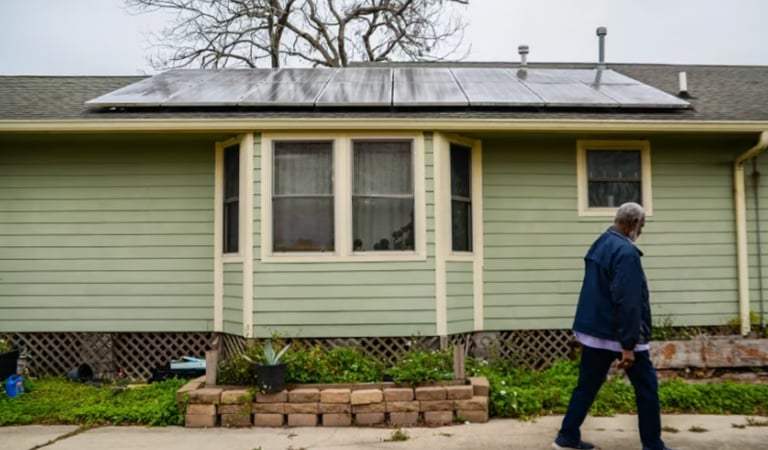
Rooftop solar access is finally opening up through community solar gardens. These shared installations allow families living in rental units, row houses, or apartments to subscribe to a nearby solar array and shave immediate dollars off their monthly bill without bolting a single panel to their roof.
Pairing community solar with federal rebates for heat pumps, upgraded insulation, and smart appliances changes the baseline economics of a household. Meanwhile, targeted home weatherization programs tackle legacy housing issues head-on. Sealing cracked foundations, upgrading drafty windows, and fixing old roofs does more than drop the temperature during extreme summer heatwaves; it stops families from having to choose between groceries and air conditioning.
The barrier here is not lack of interest. It is navigation. Federal programs exist on paper, but navigating complex paperwork, tax rebate structures, and upfront contractor costs prevents the people who need these savings most from accessing them. Fixing that administrative bottleneck is one of the fastest paths to building local trust and immediate household wealth.
Building Wealth: Jobs, Grids, and Minority-Owned Enterprise
Clean energy is fundamentally a real estate, construction, and electrical trades boom. That means the economic upside for minority-owned business enterprises (MBEs) and local workers is massive, provided the pipeline actually opens up.
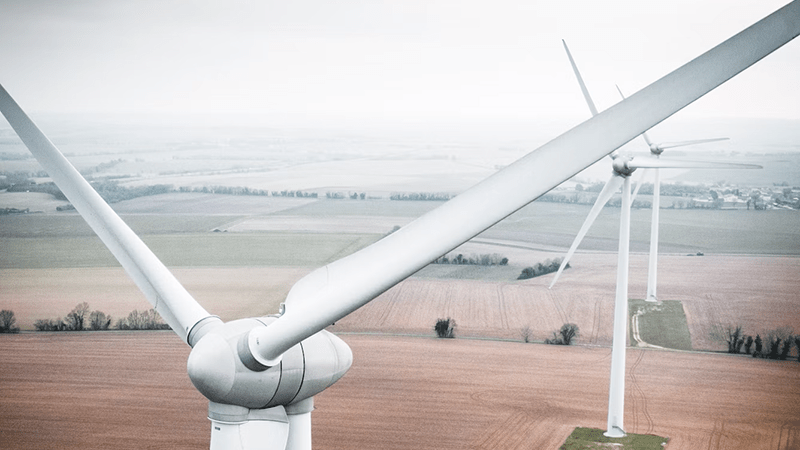
Green jobs training programs must go beyond basic installation labor. The high-margin opportunities sit in skilled electrical work, commercial wind and solar maintenance, battery storage assembly, and electric vehicle fleet service. As regional utilities race to modernize old power grids with smart meters, automated switches, and distributed energy software, the demand for certified technicians is outstripping supply.
For entrepreneurs, the clean tech space offers unprecedented leverage through federal contracting set-asides and specialized incubators. The real breakthrough happens when local MBEs stop acting as mere sub-tier contractors and start winning prime development contracts—bidding on municipal solar rollouts, securing charging installation deals, and developing utility-scale projects.
Capital access remains the classic wall. Small minority contractors frequently struggle to secure the bonding and commercial debt required to take on million-dollar grid modernization projects. Expanding targeted seed funding, community development financial institution (CDFI) partnerships, and local equity funds is the lever that turns neighborhood talent into substantial enterprise value.
Smarter Transit in Every ZIP Code
Transportation is the largest contributor to greenhouse gas emissions in the country, and minority neighborhoods usually suffer the worst air quality because of it. Modernizing this infrastructure demands more than just putting luxury electric sedans in private suburban garages.
Electric vehicle charging equity is critical. If charging plazas are only built in wealthy commercial corridors, entire communities get locked out of the transition. Placing reliable fast chargers in multifamily complexes, public transit hubs, and underfunded business districts creates foot traffic for local stores and gives ride-share drivers affordable ways to run electric routes.
Public transit electrification brings immediate, tangible health benefits. Swapping diesel municipal buses and yellow school buses for quiet, zero-emission electric fleets eliminates toxic particulate matter at children’s bus stops and along densely populated street corners. Complementing those fleets with micro-mobility options—like subsidized e-bike and electric scooter networks—fills the first-mile, last-mile gap in transit deserts, connecting residents to jobs and regional transit lines without forcing them into high-interest auto loans.
Resilience and Reclaiming Community Land
When catastrophic storms knock out regional grids, disenfranchised neighborhoods are routinely the last to see the power restored. Building physical resilience into the neighborhood footprint prevents avoidable disasters.
Community microgrids are independent power networks powered by localized solar and battery storage. During an outage, a microgrid disconnects from the main utility line and keeps vital neighborhood hubs running: local health clinics, grocery stores, pharmacies, and cooling centers. This shifts power from an abstract utility service to an untouchable community asset.
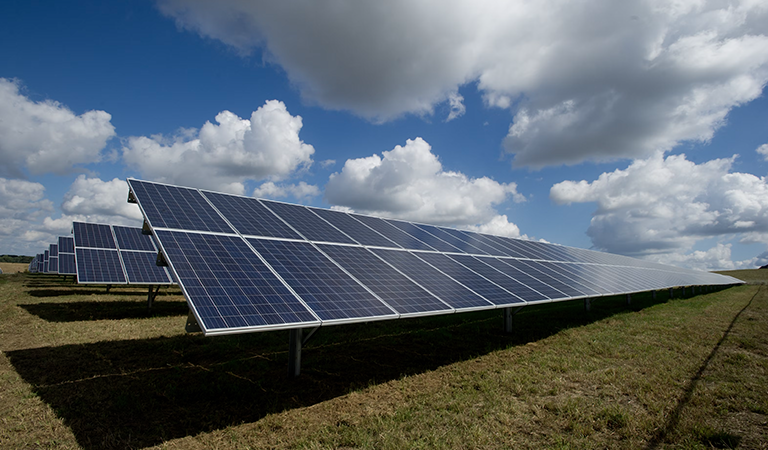
At the same time, cities across the country sit on thousands of acres of brownfields—reclaimed industrial zones, abandoned rail yards, and contaminated lots that historically depressed local property values. Cleaning and rezoning these parcels creates prime ground for utility-scale solar farms or vibrant community green spaces. Transforming a toxic neighborhood liability into a source of clean megawatts and municipal tax revenue creates a visible blueprint for environmental justice.
The path forward requires treating energy as economic development rather than charity. By removing red tape, directing capital to local business founders, and building community-owned infrastructure, the clean energy shift can build lasting generational wealth right where it is needed most.
#CleanEnergyEquity #GreenJobs #ClimateJustice