
Overview: Spotify relies heavily on genres pioneered and led by Black and Brown musicians—from hip-hop and Afrobeats to reggaeton and R&B—to maintain its global cultural relevance. However, its pro-rata royalty pool and 1,000-stream minimum threshold systematically redirect revenue away from grassroots creators and toward top-tier megastars. While promotional initiatives like Frequency provide visible marketing, true financial sustainability requires artists to treat streaming merely as top-of-funnel exposure while redirecting audiences toward direct-to-consumer sales, owned community channels, and independent intellectual property ownership.
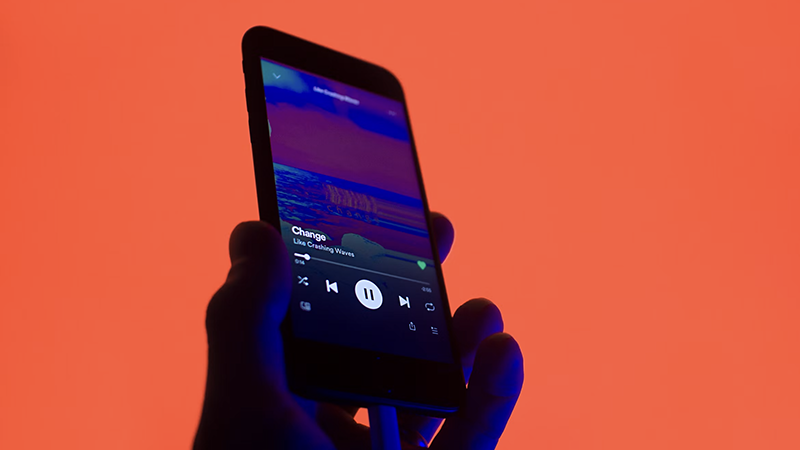
How streaming micropayments and algorithmic curation drain independent creators, and how marginalized artists can take back ownership.
The Digital Plantation or Cultural Launchpad?
Look at any trending playlist, and you will see the undeniable pulse of global pop culture. It is driven by hip-hop, Afrobeats, reggaeton, R&B, and Latin trap. Black and Brown artists do not just participate in modern music; they supply the fuel that keeps platforms like Spotify culturally indispensable.
Spotify knows this. That is why initiatives like Frequency exist. Launched to amplify Black art, create studio spaces, fund scholarships, and give flowers to creators across the diaspora, these campaigns offer real visual visibility. The glossy playlist covers look great. Billboards in Times Square feel like validation.
Yet underneath the corporate marketing and pride initiatives lies a cold, harsh reality: visibility is not equity, and exposure does not pay the rent.
The Royalty Math: Who Is Actually Making Money?
The fundamental problem with Spotify comes down to basic mathematics. The platform operates on a pro-rata pool system. Every subscription and ad dollar goes into one collective bucket, which gets sliced up based on overall platform share rather than direct fan-to-artist support.
On average, a single stream pays out anywhere between $0.003 and $0.005. To make just $1,000, an artist needs roughly 250,000 to 330,000 streams. If an indie creator splits that payout with an independent distributor, a producer, or a guest feature, they walk away with pocket change.
Spotify made things significantly harder by enacting a strict rule: songs must hit at least 1,000 streams within a rolling 12-month period to earn any master royalties at all. If an emerging Latin artist or an underground hip-hop creator puts out a project that earns 900 plays per track, their payout is zero dollars. That money does not stay in the artist’s pocket, nor does it go back to the listeners who played the music. Instead, those funds are swept back into the common pool and redistributed directly to the highest-charting acts in the world.
For Black and Brown creators working in grassroots scenes, niche heritage sounds, or regional genres, this model effectively cannibalizes their labor to subsidize stadium-filling superstars.
Why Spotify Feels Like a Bad Deal for the Culture
Music rooted in Black and Brown communities has always thrived on deep, regional community connections. It lives in neighborhood block parties, sound systems, local clubs, and car stereos.
Spotify strips away that intimacy and turns music into background utility. The algorithm favors functional listening: focus beats, chill instrumentals, gym mixes, and mass-market hits. When an artist is flattened into a tile on a mood playlist, listeners rarely remember their name, let alone follow their journey.
This creates an environment where corporations profit off Black and Brown cultural capital without investing in long-term financial security for the innovators. Yes, Drake, Bad Bunny, and Burna Boy are clearing millions. But for the middle-class creative who has historically been the backbone of artistic movements, streaming alone is a dead end.
What Comes Next: Flipping the Leverage
If relying on streaming payouts is a losing strategy, what is the play? Smart creators and managers are already shifting their approach. They treat Spotify not as an employer or an income source, but strictly as a top-of-funnel customer acquisition tool.
The winning playbook for Black and Brown independent artists comes down to direct ownership and audience sovereignty:
Treat streams as marketing, not income. Release tracks on Spotify to gain international reach and algorithmic discovery, but design the listening experience to pull true fans onto owned channels like private email lists, SMS clubs, and direct messaging groups.
Monetize community, not plays. A dedicated base of 1,000 genuine supporters who buy vinyl, high-margin merchandise, and private concert tickets generates far more sustainable revenue than chasing millions of passive streams.
Embrace alternative monetization models. Platforms like Bandcamp, direct-to-consumer digital storefronts, private Patreon networks, and micro-licensing for TV, gaming, and brands put 80% to 90% of the gross profit back in the creator’s hands.
Build equity in community ecosystems. The future belongs to cooperative distribution models, culturally rooted streaming alternatives, and artist collectives that maintain ownership of their master recordings and intellectual property.
Spotify is neither purely good nor purely evil. It is a distribution pipeline designed to prioritize corporate shareholders and major catalog holders. For Black and Brown creators, the path forward is clear: use their machinery to amplify your voice, but take your real business somewhere you hold the deeds.
#MusicBusiness #IndependentArtist #StreamingRoyalties