
Overview: The Federal Reserve’s first rate hike in three years—led by new Chairman Kevin Warsh—has pushed 30-year fixed mortgage rates to a peak of 7.24 percent, freezing buying power and slowing sales across the housing market. However, home prices have not experienced a sudden drop due to “downside stickiness,” where sellers refuse to slash prices after witnessing peak pandemic profits next door. While elevated borrowing costs create a standoff between stubborn sellers and priced-out buyers, market conditions offer a critical window: motivated sellers can still capture high equity before inventory builds, while buyers gain rare leverage to negotiate concessions and rate buydowns.
How Stubborn Listing Prices and 7 Percent Mortgages Are Forcing a High-Stakes Standstill in Real Estate
Kevin Warsh Just Reset Real Estate: The Inflation Battle, 7 Percent Borrowing Costs, and Why Sitting on the Sidelines Fails
Stop Waiting on Cheap Money
If you have been sitting on the sidelines hoping mortgage rates will magically drop back to pandemic lows, you need to wake up. That era is done.
The Federal Reserve just raised its benchmark interest rate for the first time in three years. Led by new chairman Kevin Warsh in his second formal meeting, the Fed bumped rates by a quarter of a percentage point. The goal is straightforward. They are fighting an inflation surge triggered by climbing oil prices and ongoing conflict in the Middle East.
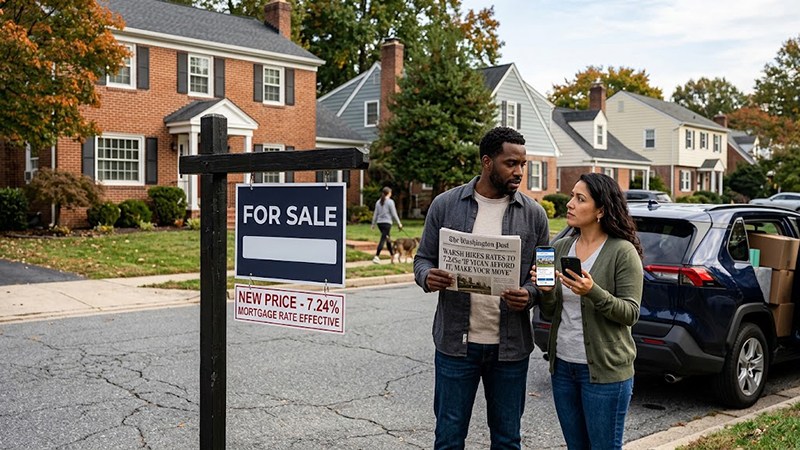
That single policy decision sent ripples straight through your local housing market. The average 30-year fixed mortgage rate immediately climbed to 7.24 percent, marking the highest borrowing costs we have seen since January 2025.
The Fed also signaled that more hikes are on the table. They are determined to tame inflation, even if that medicine tastes bitter right now. Waiting around for a financial rescue is no longer a viable strategy for buyers or sellers.
What 7 Percent Money Actually Does to the Street
Borrowing money at 7 percent changes consumer behavior immediately. It shrinks buying power by hundreds of dollars every month.
Because Wall Street already expected the Fed to act, lenders had largely baked this rate jump into mortgage quotes weeks before the official announcement. The numbers did ease back slightly the morning after the meeting, but nobody should expect a rapid slide down.
Here is the economic paradox: higher rates right now might actually be the medicine the market needs.
The only reliable path to permanently lower mortgage rates is killing high inflation. If the Fed succeeds in cooling price spikes across energy and goods, mortgage rates will naturally soften in the long run. Until that happens, elevated rates are going to stick around.
Why Home Prices Refuse to Drop Overnight
With borrowing costs elevated, you would expect home prices to plummet immediately. They have not.
Sales numbers are cooling down and foot traffic at open houses is lighter, yet home prices across most neighborhoods remain stubborn. Economists call this dynamic downside stickiness. In plain English, homeowners hate taking a discount.
Sellers still remember the feeding frenzies from a couple of years ago when their neighbors got thirty offers and sold for fifty grand over asking price. Nobody wants to accept less than what the house next door fetched during a boom. Because sellers cling to those old numbers, home prices adjust downward at a crawl.
If fewer people can afford to buy, unsold inventory eventually builds up. That buildup gives buyers leverage, but it takes time to play out.
The Playbook for Home Sellers
If you have equity and need to make a move, stop overthinking the calendar.
Demand is slower, but home values are still holding firm. That gives you an active window of opportunity that might not stay open indefinitely. If inventory continues to pile up over the next six to twelve months, you will face more competition and weaker pricing power.
Listing today lets you cash out while values are near the peak. Waiting a year could leave you chasing the market down. Price your home accurately, present it cleanly, and let motivated buyers compete.
The Playbook for Homebuyers
For buyers, pausing your life in search of the perfect interest rate is a trap. Home prices are unlikely to take a sudden dive, and rents certainly are not getting cheaper.
If you find a home that fits your life and the monthly payment works within your current budget, buy it. You do not have to marry the rate forever. You buy the property now, build equity, and refinance when macroeconomic conditions loosen.
Most importantly, you have room to negotiate today that did not exist two years ago. Sellers are finally willing to cover closing costs, pay for rate buydowns, or drop the purchase price to close a deal. That kind of seller concession takes a real bite out of 7 percent borrowing costs.
The takeaway is simple. Whether you are buying your first home or liquidating an investment property, success comes down to running your numbers on reality, not wishful thinking. Act with intention, take advantage of market hesitation, and stop waiting on conditions that are not coming back.
#HousingMarket #MortgageRates #RealEstate #Economy #FedHike