
Here’s another editorial of interest from our media partners at Ag & Water Desk. While I’m not a big fan of certain seafood, most oyster enthusiasts may find this worth a read.
Dear The Narrative Matters
What do $5 million in inedible Gulf oysters, a buyout program on the outskirts of Memphis and 22 million pounds of plastic garbage have in common?
They’re all topics that reporters associated with the Ag & Water Desk have dug into lately.
The Desk is a regional collaborative, but writing for us is just a portion of the work our reporters do. Most of their time is spent working on local stories — many of which we believe will resonate with readers regardless of where they live. Here are a few examples of their recent work:
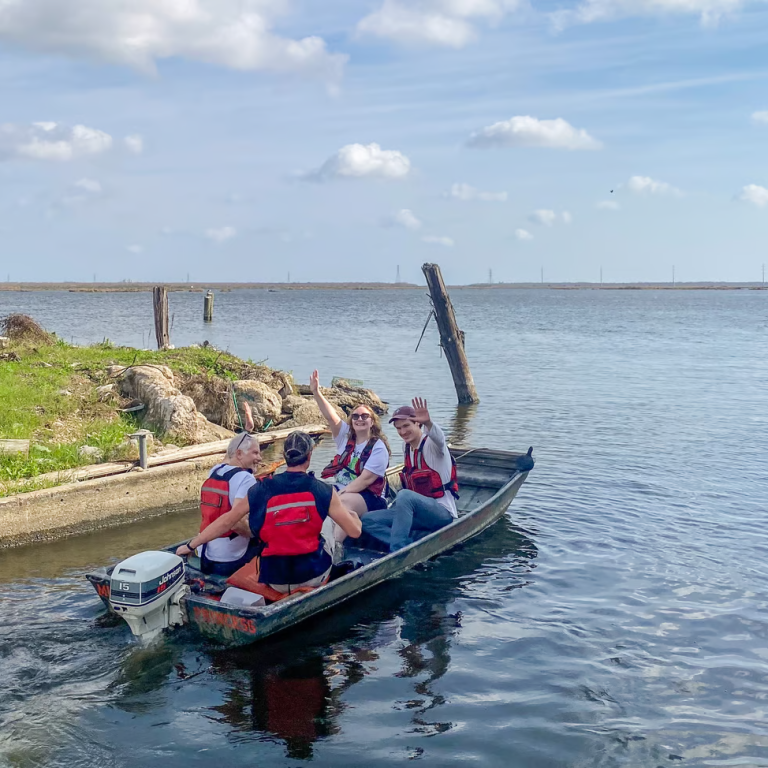
In Louisiana, Verite reporter Cheree Franco writes about the latest claims surrounding a $30 billion liquid natural gas terminal being built near the Gulf. The project calls for enlarging a channel to allow access for tankers, but locals say dredging has killed or contaminated millions of oysters destined for restaurants — many of them cultivated in a test to see if they could be harvested more sustainably than wild-caught oysters. The project’s developer acknowledges that some sediment has leaked into the estuary but doesn’t agree that it’s responsible for the losses.
In Minnesota, expert journalist Kristoffer Tigue of the Star Tribune reports that farmers are struggling with an extreme drought that has stricken much of the state. Five counties have been declared disaster areas, and not even a 9-inch downpour earlier this month was enough to end the crisis. The one silver lining: Unlike other farmers in the Upper Midwest, Minnesota growers got their crop in early enough to have missed the worst of the drought.
Another Desk expert journalist, Michael Hawthorne of the Chicago Tribune, has been looking at how plastics are poisoning the waters of the Great Lakes. His series, which began in late May with an examination of dangers posed by pellets known as “nurdles,” has traced the presence of plastics from the lakes to fish to deep inside our bodies. The impact of plastics on health is still unknown, but it’s an important question — worldwide plastic production has already doubled since the beginning of the millennium and it’s expected to triple again by 2060.
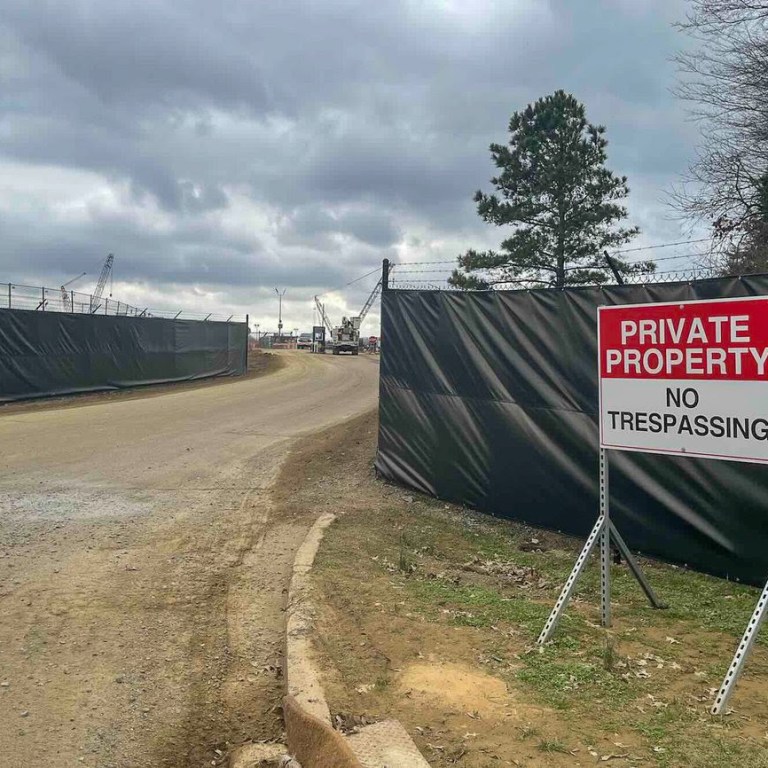
Meanwhile, the Mississippi Free Press’s Illan Ireland reports that Elon Musk’s artificial intelligence venture is offering to move residents who live near its noisy facility in Memphis. The dispute stems from turbines that the company has installed to power its data center operation, which nearby residents say is creating noise pollution that is making their lives unbearable. Illan has been following this facility closely, reporting earlier this year on opposition to the turbines and a lawsuit filed over the noise.
But the artificial intelligence boom also has its proponents, as The Lens’ Delaney Nolan reveals in this interview with the owner of Louisiana’s largest media company. Georges tells Delaney and her colleagues why he hosted a dinner celebrating Meta and its massive data center project in the state. Georges believes relationships with data companies are essential to keeping journalism alive. Journalists who work for him say the relationship blurs the lines between editorial content and business.
Finally, great stories aren’t always about big issues. Sometimes they can be as simple as a profile of someone with a passion, which is what KAXE’s Stella Mayerhoff brings listeners in this profile of a retired forester in Minnesota. Stella followed Gary Anderson as he led a group through the woods of northern Minnesota, pointing out the rich tree and bird life that he has fostered over the past 50 years.
These are just a few examples of the stories the Desk team is producing for their local communities. We hope that you’ll not just follow us — but their news organizations as well.
Lawsuit adds to growing list of allegations that Cameron Parish LNG terminals are hurting seafood industry, Cheree Franco, Verite
Minnesota’s drought is hurting farmers. A weekend of rain didn’t change that. Kristoffer Tigue, Minnesota Star Tribune
Great waste in the Great Lakes: How plastic pollution is clogging our waters, Michael Hawthorne, Chicago Tribune
xAI Moves to Buy Out Southaven Residents Who Agree Not to Sue It Over Power Plant Noise, Letter Shows, Illan Ireland, Mississippi Free Press
John Georges believes Meta AI deals will ‘save journalism’ — and Louisiana’s largest newspaper, Drew Hawkins from Gulf States Newsroom, Delaney Nolan and Vivi Smilgius from The Lens
Woodland walk offers guidance to follow retired forester’s path to biodiversity, Stella Mayerhoff, KAXE
| Sincerely, Chas SiskEditorial Director,Ag & Water Desk  |
The Mississippi River Basin Ag & Water Desk is an independent reporting network based at the University of Missouri in partnership with Report for America, with major funding from the Walton Family Foundation. |