
Overview: Protecting long term health does not require extreme lifestyle shifts or restrictive routines. By prepping whole-food snacks in advance, following the 20-20-20 eye care rule during desk hours, and trading standard gym pressure for functional daily movement, busy professionals can sharply reduce mental burnout, prevent chronic eye strain, and sustain steady physical vitality throughout the workweek.

DISC Health Equity Action Lab
High performance in work and life requires physical stamina, yet modern work routines systematically work against our bodies. Between back-to-back virtual meetings, endless screen time, and grabbing whatever food sits within arm’s reach during a hectic workday, fatigue sets in fast. The common reaction is to commit to punishing fitness regimens or strict diets that fall apart within ten days.
Sustainable wellness works on an entirely different principle: frictionless momentum. When healthy choices are convenient and low-stress, they become automatic. Howard University Hospital and DiSC Health highlight three practical adjustments you can integrate into your existing schedule immediately to protect your eyesight, fuel your brain, and keep your body moving without adding another chore to your calendar.
1. Keep Whole-Food Snacks Handy to Sidestep the Processed Food Trap
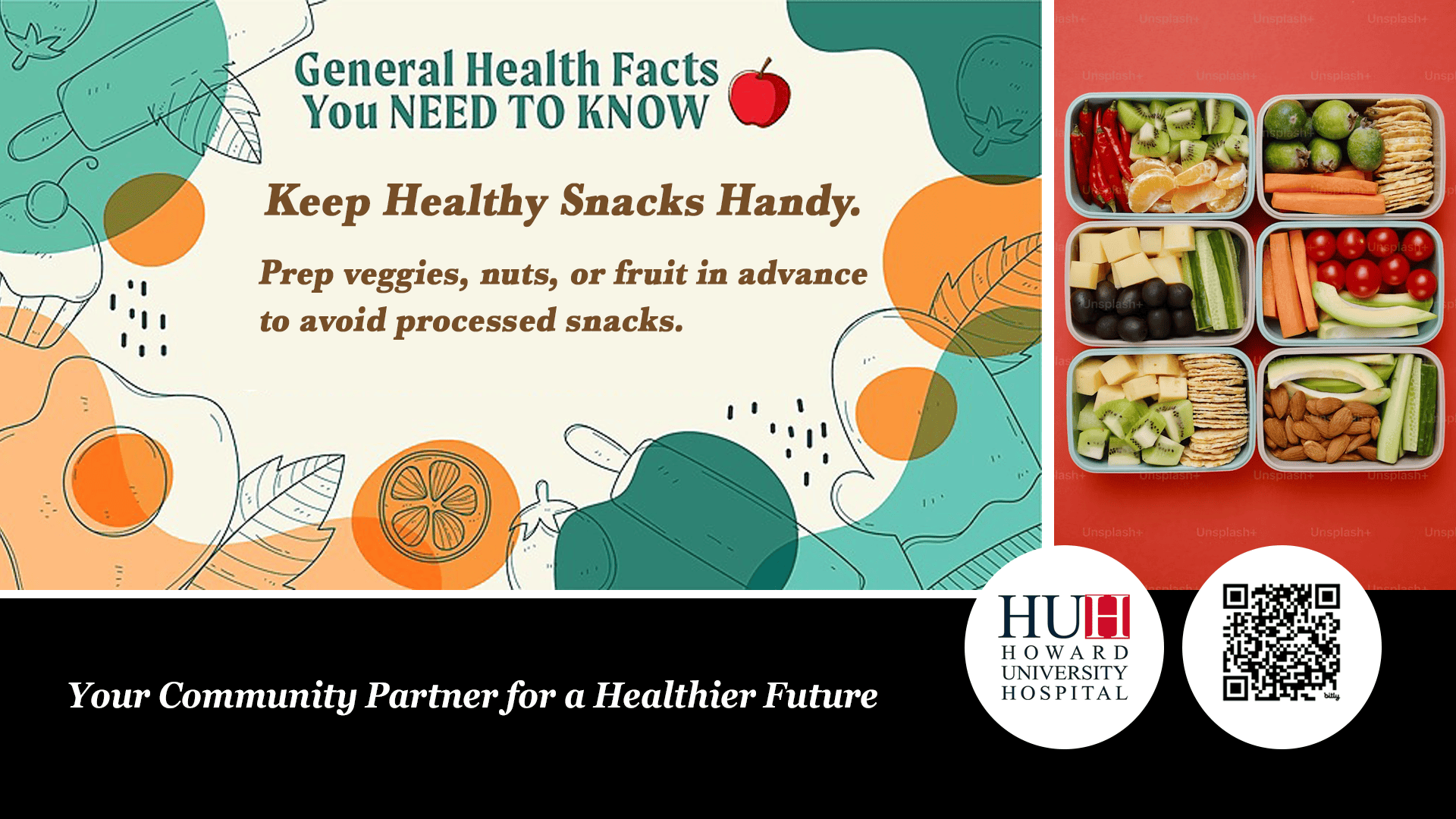
When hunger hits during an intense project deadline, willpower is not enough. If the easiest option in your kitchen or breakroom is a bag of salty chips, a sugary pastry, or packaged processed snacks, that is what you will consume. The resulting blood sugar spikes and afternoon crashes destroy productivity and trigger chronic inflammation over time.
Win the environment battle ahead of time by keeping nutrient-dense foods ready to grab:
- Prep in Batches: Take fifteen minutes on Sunday or mid-week to wash, slice, and portion fresh produce. Snap peas, cucumber slices, bell pepper strips, and baby carrots keep their crispness well in airtight containers.
- Anchor with Protein and Healthy Fats: Pair fruit like berries, sliced apples, or oranges with raw almonds, walnuts, or pumpkin seeds. Protein and fiber slow digestion, keeping your glucose levels balanced and cravings in check.
- Keep Portions Visible: If whole foods stay buried behind containers in the back of the refrigerator, they spoil. Keep prepared clear containers front and center at eye level on the top shelf so reaching for them requires zero effort.
Preparing wholesome snacks in advance eliminates decision fatigue. You give your brain high-grade fuel, maintain steady mental focus, and bypass the ultra-processed convenience cycle completely.
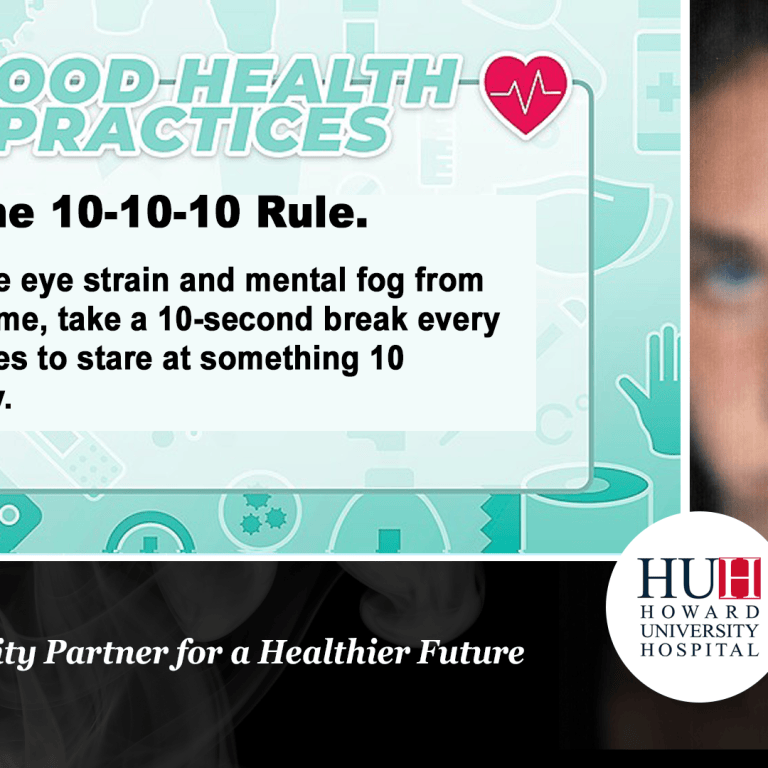
2. Protect Your Vision at Your Desk with the 20-20-20 Rule
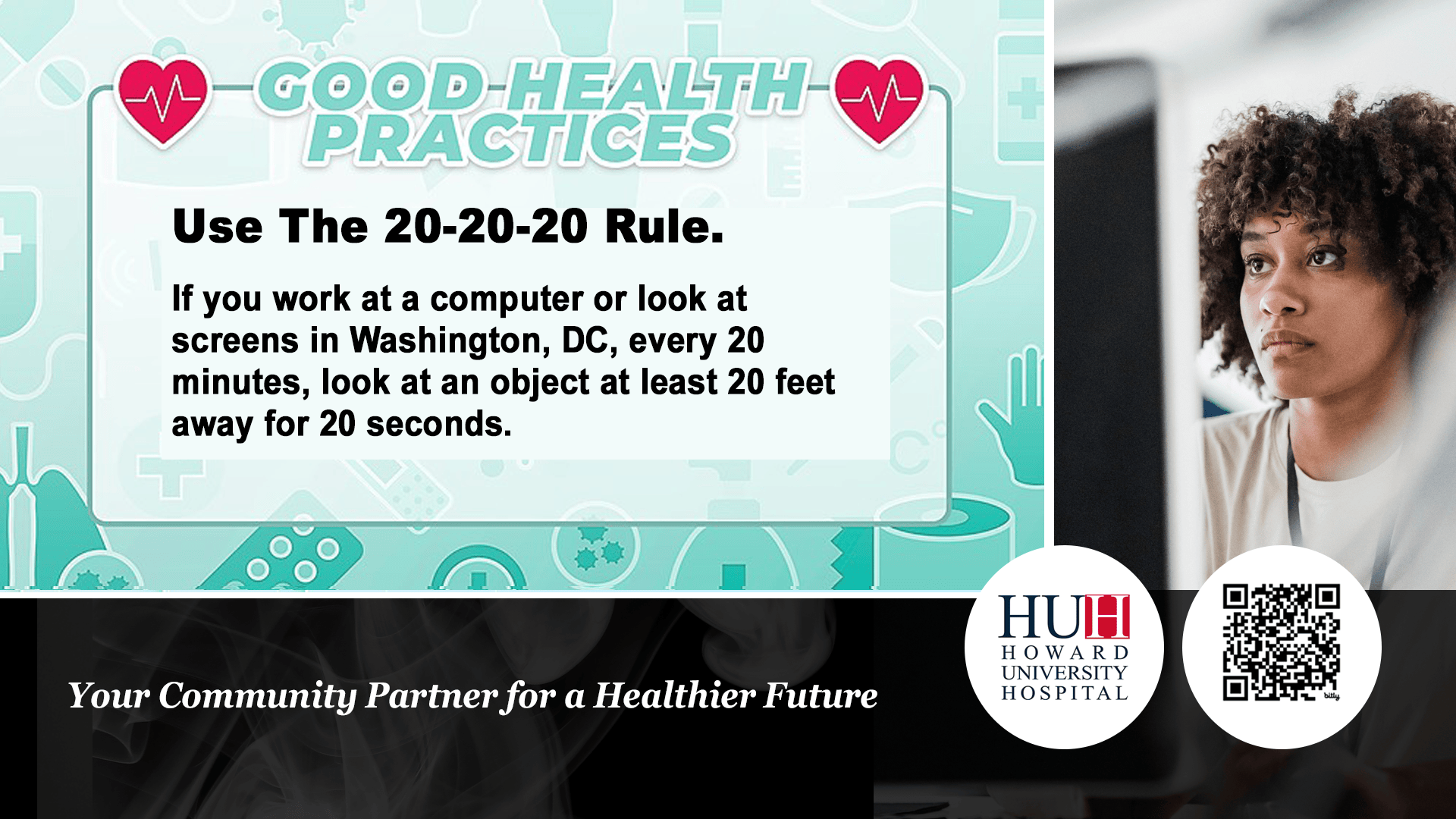
Whether reviewing strategy decks in downtown Washington, D.C., managing campaigns, or analyzing data spreadsheets all day, your eyes pay a heavy tax. Digital eye strain, dry eyes, blurred vision, and tension headaches often stem directly from unbroken hours staring at screens without distance variation. When you focus at close range for long stretches, the ciliary muscles in your eyes remain locked in contraction, while your blink rate drops by more than half.
Reset your visual focus throughout the day using the clinically proven 20-20-20 technique:
- Every 20 Minutes: Set a subtle silent timer or use a desktop micro-break reminder.
- Look at an Object 20 Feet Away: Shift your gaze away from your laptop, monitor, or phone screen toward a far wall, a hallway, or out the window.
- Hold Focus for 20 Seconds: Allow your visual muscles twenty complete seconds to relax their close-up convergence. Take a full breath and blink several times to naturally rehydrate your eyes.
This twenty-second reset interrupts muscle spasms in the eyes, reduces mid-afternoon headaches, and prevents the mental sluggishness that builds up after hours of glare. It is a zero-cost intervention that keeps your vision sharp across a forty-year career.
3. Think Outside the Gym: Build Movement Through Daily Lifestyle Habits
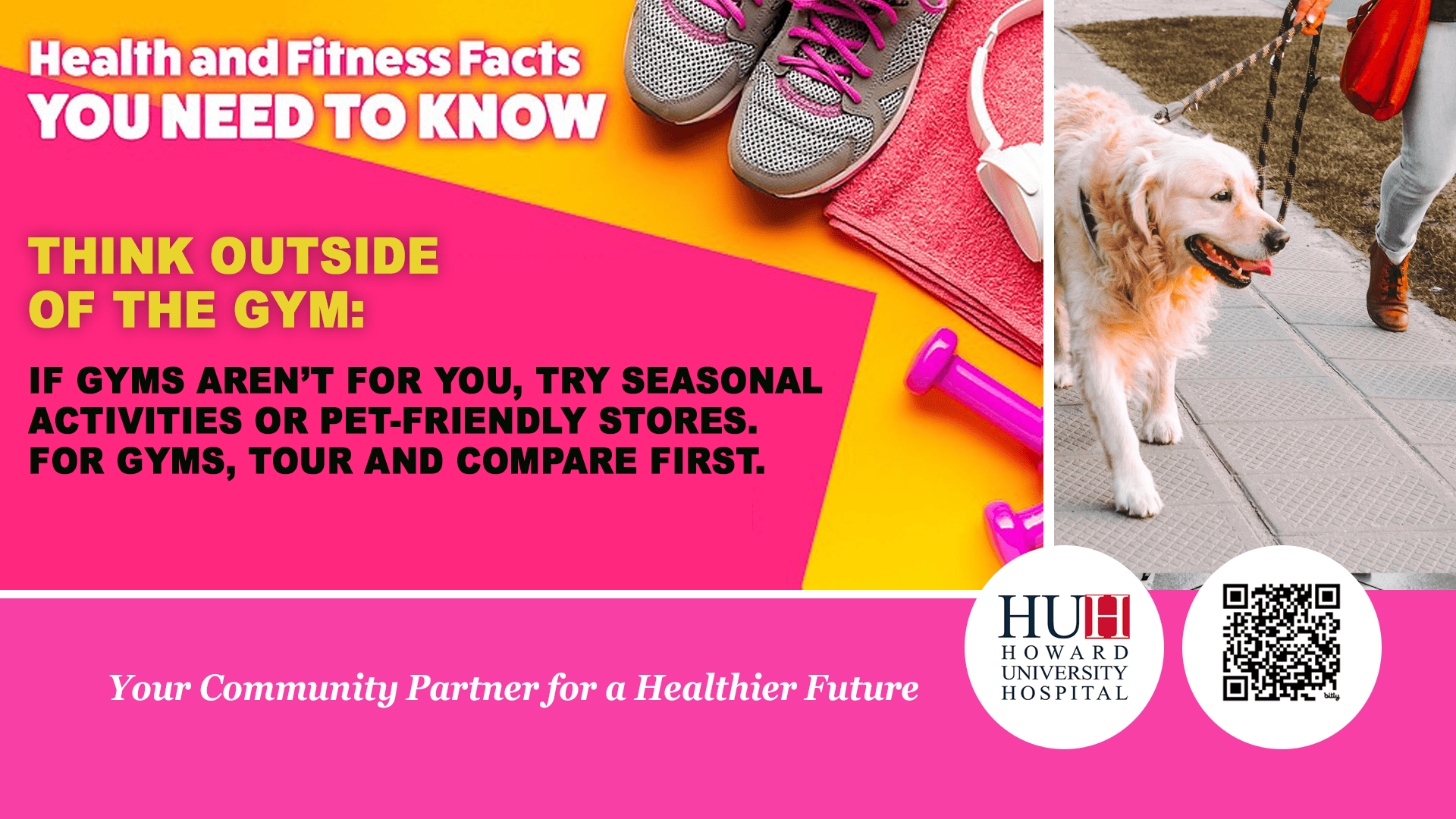
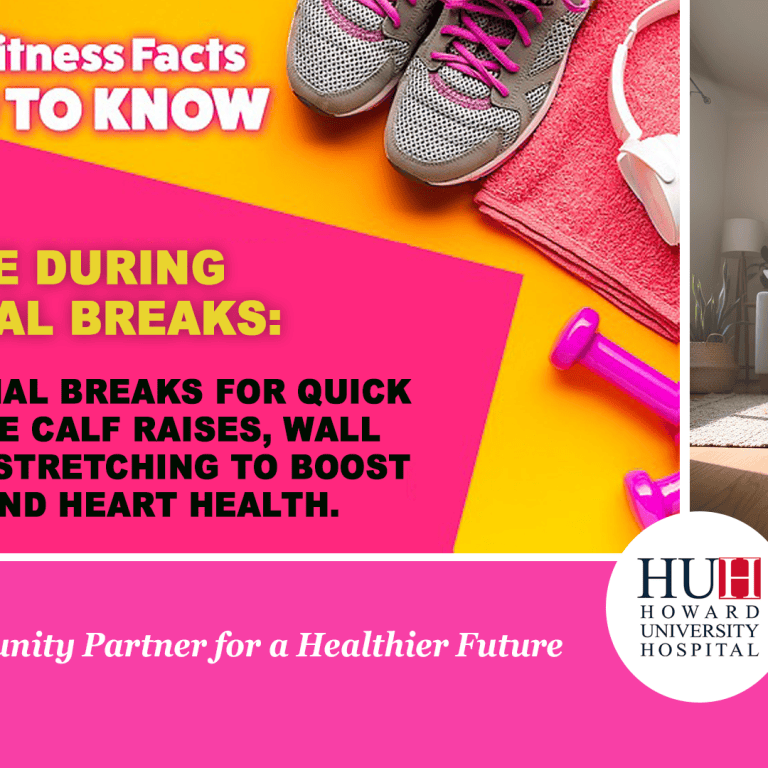
Rigid gym memberships often become expensive guilt trips. Crowded weight rooms, commutes in heavy traffic, and rigid class schedules create friction, causing many people to abandon fitness plans entirely. If standard gym environments do not excite or fit you, discard the idea that fitness must happen inside four concrete walls under fluorescent lights.
Real functional fitness is built through consistent daily energy expenditure:
- Embrace Seasonal and Outdoor Outings: Swap the treadmill for brisk walks through local parks, autumn neighborhood loops, or waterfront trails. Outdoor movement enhances mental clarity and reduces cortisol levels far better than stationary gym equipment.
- Turn Errands into Active Walking Loops: Take your dog for an extended walk through pet-friendly local stores, plant nurseries, and farmers markets. You accumulate several thousand steps and light resistance movement without framing it as formal exercise.
- Tour and Compare Before You Commit: If you do decide a gym or fitness studio fits your lifestyle, never sign an annual contract blindly. Tour during the exact hours you plan to work out, test the atmosphere, inspect equipment maintenance, and ask for a trial pass to ensure it matches your expectations.
Longevity comes from consistent, enjoyable physical activity. Moving your body naturally every day beats sporadic, high-intensity workouts followed by weeks of inactivity every single time.
Building Lasting Health Through Small Daily Decisions
True wellness is not about overhaul; it is about infrastructure. When you place nutrient-rich snacks within reach, protect your vision from chronic digital fatigue, and weave physical movement into your day-to-day rhythm, staying healthy ceases to feel like a second job. Small, strategic choices repeated daily safeguard your physical vitality, protect your cognitive edge, and support the long-term energy you need to lead and thrive in your community.
About
DISC Health
The Health Equity Action Lab (HEAL) is an initiative by Dynasty Interactive Screen Community aimed at addressing health disparities in the U.S. and globally. By engaging media and stakeholders, HEAL seeks to reduce health inequalities and raise awareness. Their approach includes overcoming socio historical barriers and confronting the institutional, social, and political factors that perpetuate healthcare inequality.
Learn more about the health education partnership:
Howard University Hospital (HUH)
Howard University Hospital, established in 1862 as Freedmen’s Hospital, has a rich history of serving African Americans and training top medical professionals. Located in Washington, D.C., it is the only teaching hospital on the campus of a historically Black university. HUH is a Level 1 Trauma Center and a critical healthcare provider for underserved populations. It offers advanced medical services, including robotic surgery, and has received numerous accolades for excellence in specialties like heart care, stroke treatment, and radiology.
Learn more about Howard University Hospital (HUH)
Howard University Faculty Practice Plan (FPP)
The Howard University Faculty Practice Plan is a multi-specialty physician group in Washington, D.C., dedicated to advancing healthcare and eliminating health disparities. It offers comprehensive services, including primary and specialty care, mental health, imaging, and cancer care, all connected to Howard University Hospital. FPP emphasizes patient-centered, respectful care for the diverse community and provides free health screenings and events to promote wellness.
Learn more about Howard University Faculty Practice Plan (FPP).
Get more Disc Health Weekly Tips:
#DiSCHealth #BurnoutRecovery #HealthyHabits