


DISC Health Equity Action Lab
Overview: The daily fatigue trap occurs when morning dehydration, ultra-processed food additives, and prolonged physical inactivity drain vital energy reserves before mid-day. Resolving chronic slumps requires three fundamental behavioral shifts: drinking sixteen ounces of water before caffeine to restore cellular balance, choosing whole foods with short and recognizable ingredient lists, and integrating thirty-second exercise snacks like countertop push-ups or squats into routine daily breaks.
Painless daily upgrades from Howard University Hospital and DiSC Health to hydrate properly, cut processed food, and stay sharp all day.
DISC Health 3 Health Tips of the Week: Stop Fueling The Slump: 3 Dead Simple Daily Shifts That Rebuild Your Energy, Metabolism, and Daily Focus
1. Look at the Ingredients and Prioritize Whole Foods

Walking down the grocery aisle without a plan is an invitation for hidden sugars, artificial fillers, and inflammatory seed oils to sabotage your gut. Ultra-processed foods often carry bold front-of-package health claims, but the real truth hides on the back.
Prioritize whole foods with short, recognizable ingredient lists over heavily packaged items. When a food label looks like a complex chemistry experiment, your digestive system treats it that way. Switching to single-ingredient items or pantry staples with fewer than five transparent ingredients reduces metabolic inflammation and stabilizes your blood sugar.
When your gut is not spending all day fighting off preservatives and synthetic additives, your focus sharpens and your afternoon stamina stays steady.
2. Lock In the Water Before Coffee Routine
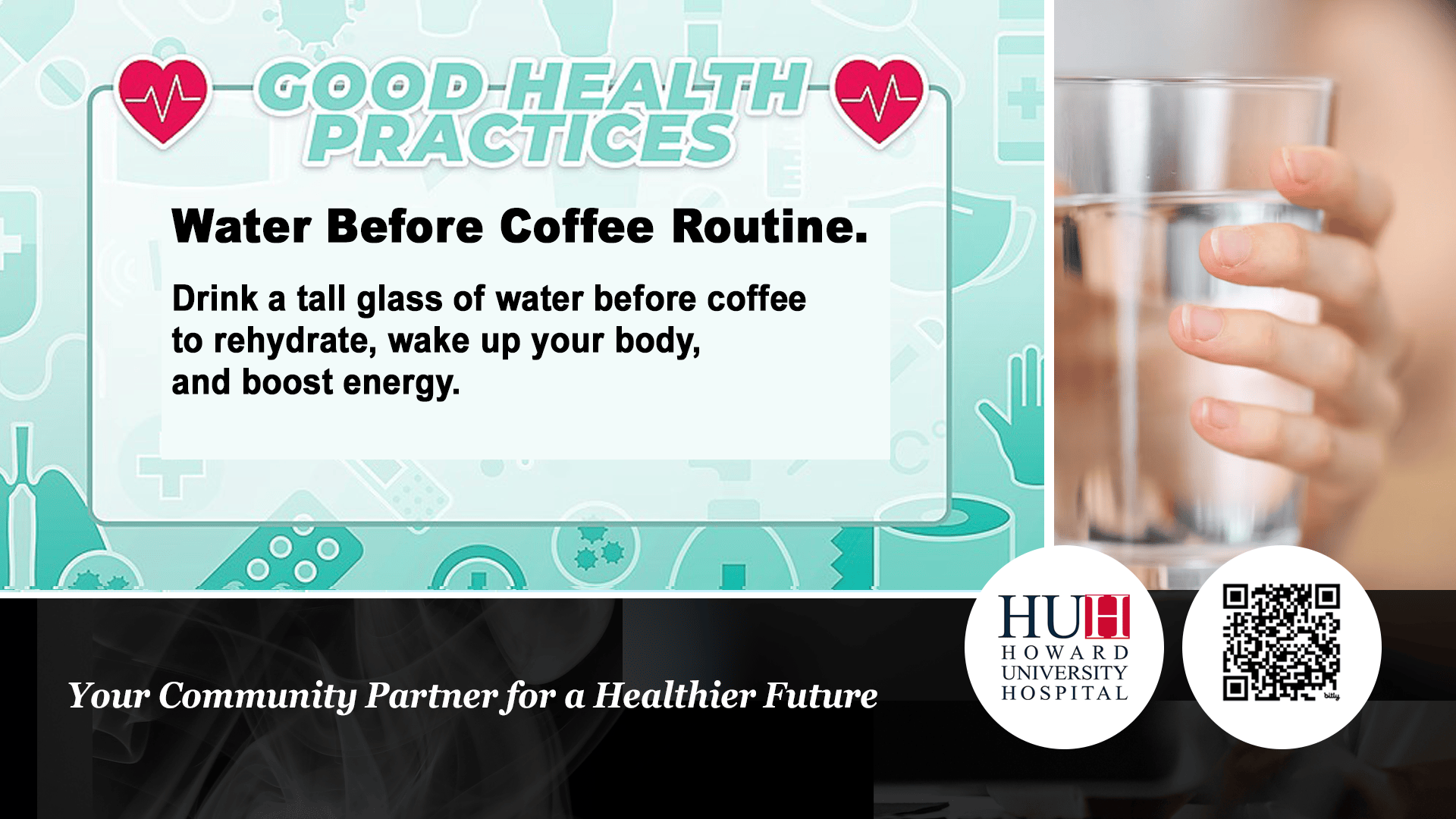
Reaching straight for a mug of black coffee the second your feet hit the floor is a widespread morning ritual, but it is also a quiet productivity killer. After seven or eight hours of sleep, your body is naturally dehydrated. Pouring caffeine into an empty, parched digestive tract spikes cortisol, strains your adrenals, and often leads to an energy crash before noon.
Drink a tall sixteen-ounce glass of water before that first sip of coffee. Hydrating first jumpstarts your lymphatic circulation, fires up your metabolism, and lubricates your joints.
Water tells your organs and brain cells that it is time to perform. Once your body is rehydrated and cellular fluid balance is restored, caffeine works the way it is supposed to, delivering sustained alertness without the jitters or the mid-morning slump.
3. Snack on Exercise Throughout the Day
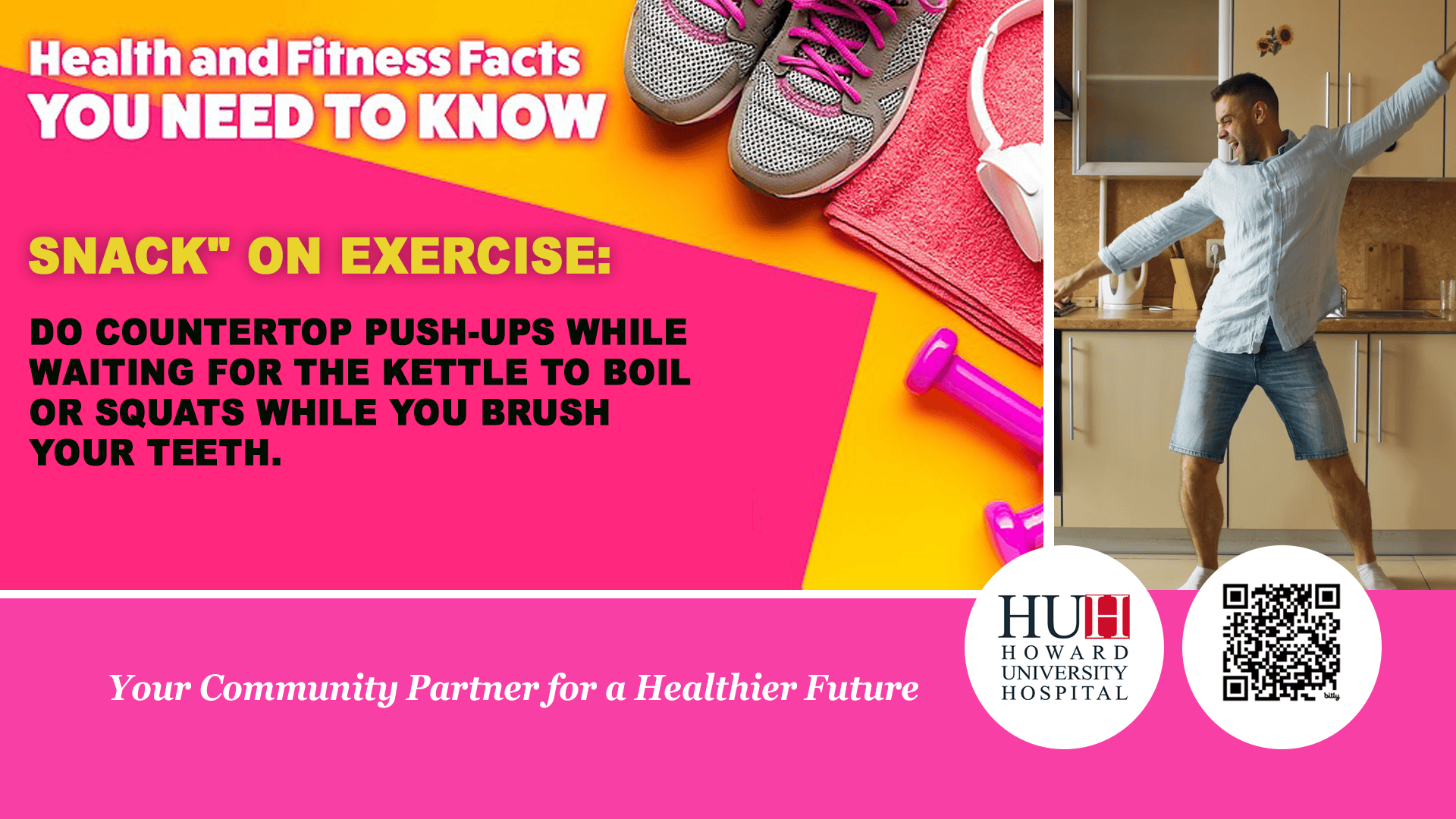
The myth that fitness requires an unbroken sixty-minute gym block keeps millions of busy professionals completely sedentary. Modern schedules are demanding, but your muscles do not care whether movement happens in a single workout or scattered across micro-bursts.
Exercise snacking means threading ten to thirty-second strength movements into everyday pauses you already take. Drop into countertop push-ups while waiting for the morning kettle to boil or your office tea to brew. Knock out bodyweight squats while brushing your teeth or pacing during an audio call.
These quick contractions awaken dormant muscle groups, improve insulin sensitivity, and push oxygen-rich blood back to your brain. Tiny physical investments spread across your normal day keep your posture upright, burn off stress, and generate clean physical momentum without demanding a change of clothes.
About
DISC Health
The Health Equity Action Lab (HEAL) is an initiative by Dynasty Interactive Screen Community aimed at addressing health disparities in the U.S. and globally. By engaging media and stakeholders, HEAL seeks to reduce health inequalities and raise awareness. Their approach includes overcoming socio historical barriers and confronting the institutional, social, and political factors that perpetuate healthcare inequality.
Learn more about the health education partnership:
Howard University Hospital (HUH)
Howard University Hospital, established in 1862 as Freedmen’s Hospital, has a rich history of serving African Americans and training top medical professionals. Located in Washington, D.C., it is the only teaching hospital on the campus of a historically Black university. HUH is a Level 1 Trauma Center and a critical healthcare provider for underserved populations. It offers advanced medical services, including robotic surgery, and has received numerous accolades for excellence in specialties like heart care, stroke treatment, and radiology.
Learn more about Howard University Hospital (HUH)
Howard University Faculty Practice Plan (FPP)
The Howard University Faculty Practice Plan is a multi-specialty physician group in Washington, D.C., dedicated to advancing healthcare and eliminating health disparities. It offers comprehensive services, including primary and specialty care, mental health, imaging, and cancer care, all connected to Howard University Hospital. FPP emphasizes patient-centered, respectful care for the diverse community and provides free health screenings and events to promote wellness.
Learn more about Howard University Faculty Practice Plan (FPP).
Get more Disc Health Weekly Tips:
#DiSCHealth #EnergyHacks #WellnessTips