I’ve been boycotting Panera Bread, better known to us St. Louisans as Bread Co., for more than a decade. Not because of the food or some major corporate controversy, but because of an experience that left me feeling overlooked as a young employee. Now, at 34, I’ve finally broken my boycott, just as the company prepares to move its corporate headquarters out of the St. Louis region. Talk about timing.
For those of us who grew up in St. Louis, Bread Co. has always been one of our hometown brands. Its roots go back to Kirkwood in 1987, and what began as a local bakery-café concept eventually became a national restaurant chain. While the rest of the country calls it Panera Bread, many of us still refuse to call it anything other than Bread Co.
That’s why the company’s announced headquarters relocation from Fenton to Massachusetts in 2027 feels like the end of an era. St. Louis has watched plenty of hometown companies grow beyond our region, but losing the headquarters of a brand so closely associated with our identity is disappointing.
My relationship with Bread Co., however, has always been a little more personal.
I was about 22 years old, working full time, learning restaurant operations, and taking on responsibilities I believed were preparing me for management. When promotion opportunities came around, two other employees were selected instead. At the time, I genuinely believed I had worked harder and deserved the opportunity.
Looking back, I can admit that I didn’t know everything management considered when making those decisions. Being a strong employee doesn’t automatically mean you’re ready to lead. Sometimes advancement involves communication, relationships, trust, and areas of development you might not recognize in yourself.
What I wish I’d received was a clearer understanding of where I stood and what I needed to improve.
Since then, I’ve managed restaurants, trained employees, and opened my own food businesses. That early disappointment shaped how I approach employee development today. People deserve honest conversations about their performance, their potential, and what they need to do to advance. I didn’t fully understand that at 22, but I certainly understand it at 34.
Recently, I decided it was finally time to give Bread Co. another chance.
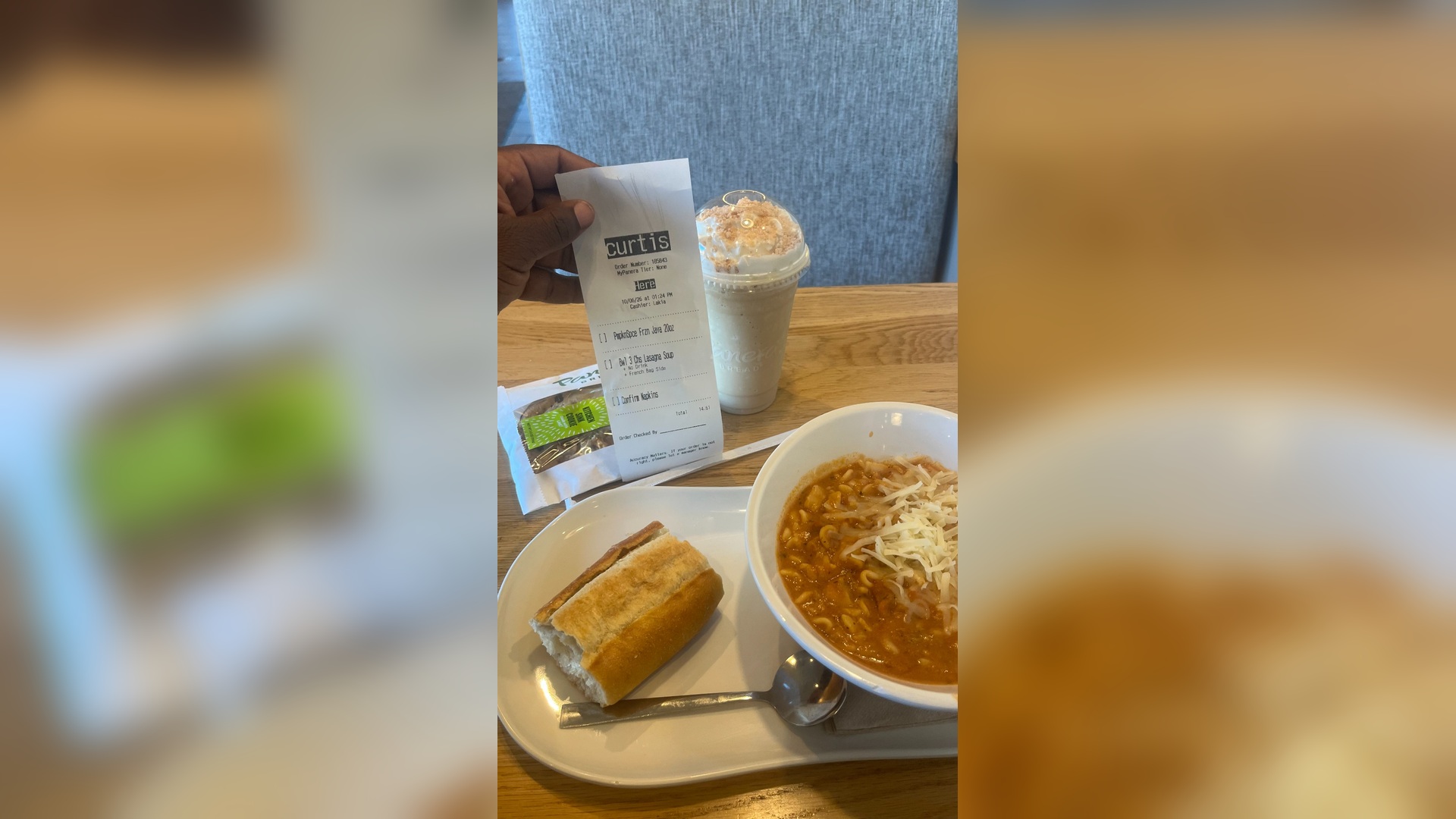
I spent about $15 on three-cheese lasagna soup and a pumpkin spice Java shake. Unfortunately, the soup tasted like somebody took ravioli off a plate and dropped it into a bowl. I’ve always joked that Bread Co. serves elevated hospital food, and after more than ten years, my opinion hasn’t changed much.
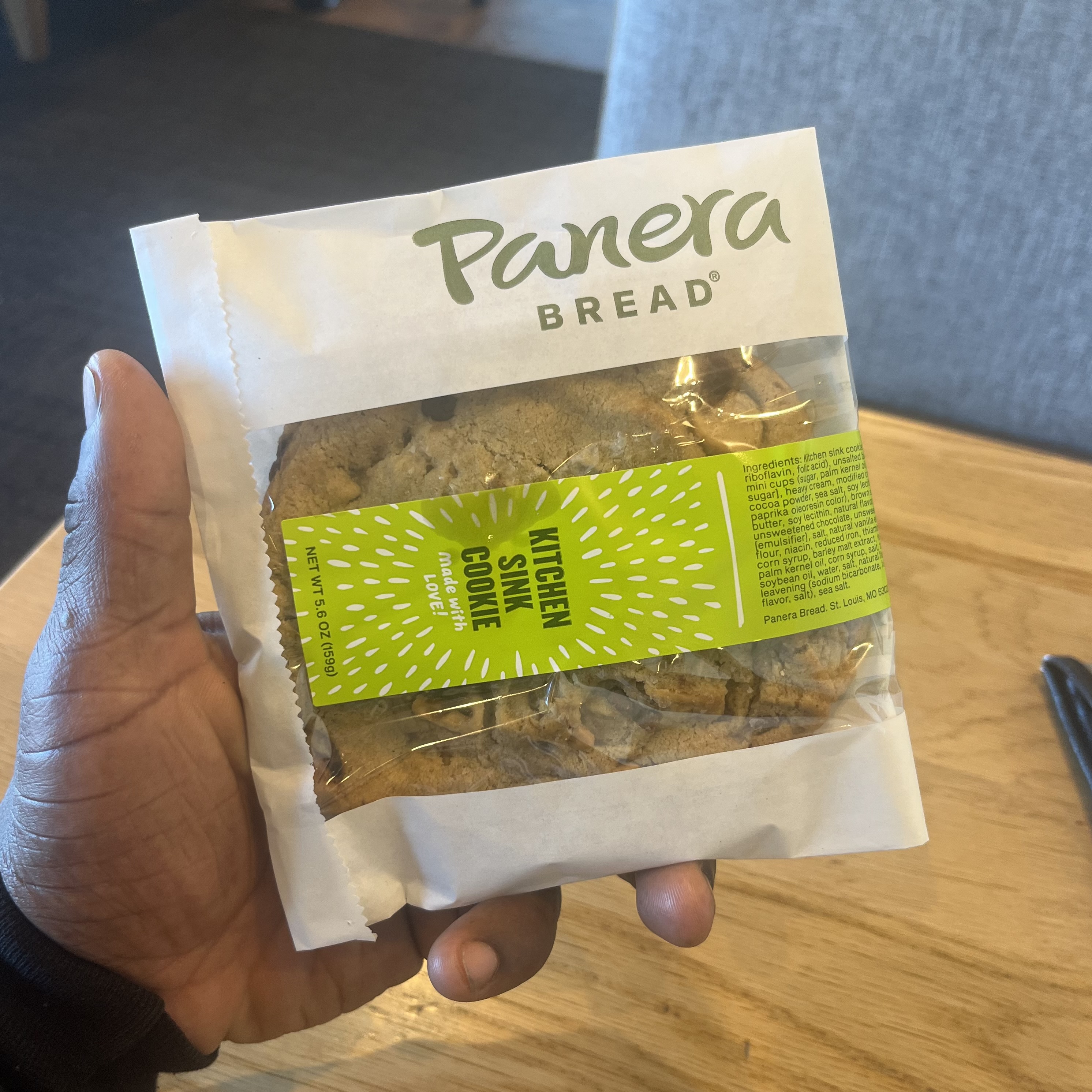
The highlight of my visit was actually a Kitchen Sink Cookie a young employee gave me for free. After years in hospitality, I can appreciate how a small customer-service gesture can leave a bigger impression than the food itself.
As a restaurant professional, I also understand that Panera operates in an increasingly competitive industry. Customers have more choices, restaurant prices have increased, and expectations surrounding quality, convenience, and value continue to evolve. Bread Co. built its reputation on soups, sandwiches, salads, and bakery items that offered something different from traditional fast food. Maintaining that reputation requires giving customers a reason to keep coming back.
Despite my personal history with the company, I can appreciate what Bread Co. represents to St. Louis. It grew from a local concept into a nationally recognized brand, creating jobs and helping put another St. Louis business on the map.
Its departure also raises a larger question about what our region must do to retain major employers. Corporate decisions involve finances, workforce needs, and long-term strategy, but losing a headquarters still matters to the community that helped build the brand. Panera says it will maintain a St. Louis support center, which is encouraging, but that doesn’t completely replace the significance of having its headquarters here.
As for me, I’ve made peace with what happened more than a decade ago. At 22, I saw a missed promotion as a reflection of my potential. At 34, I understand that one company’s decision doesn’t determine the direction of your career.
Bread Co. didn’t give me my first opportunity to manage, but that disappointment helped shape the manager I eventually became.
So after more than ten years, I guess Bread Co. and I can officially call a truce. I hope the company continues to maintain a meaningful presence in the city that helped make it successful.
Although somebody still needs to explain that lasagna soup to me.

Curtrell McCann Community Strategist Ferguson Foodies Festiva |