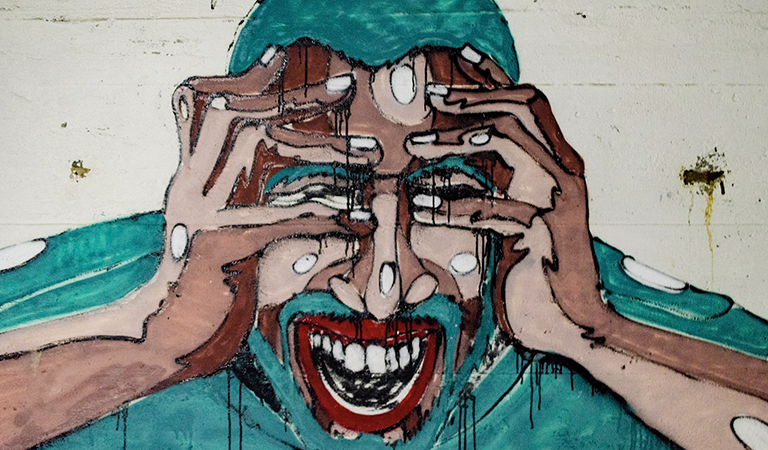


Have you ever noticed someone behaving differently, forgetting familiar faces, talking to themselves, becoming confused, or struggling to manage everyday activities? People sometimes describe this behavior as someone “losing their mind.” However, there are several medical, psychological, and social reasons why a person may experience changes in their thinking or behavior.
Understanding the difference between dementia and mental health conditions is important, especially as communities face growing challenges involving homelessness, untreated mental illness, and access to appropriate care.
Dementia or a Mental Health Problem?
Dementia is not a normal part of aging. It is an umbrella term for conditions that affect memory, reasoning, communication, and the ability to perform everyday activities. Alzheimer’s disease is the most common cause.
Warning signs may include repeatedly forgetting important information, getting lost in familiar places, difficulty recognizing loved ones, poor judgment, and personality changes.
Mental health conditions, including depression, bipolar disorder, schizophrenia, anxiety, and post-traumatic stress disorder, can also affect how someone thinks, feels, and behaves.
Some people experience functional cognitive symptoms, meaning they have genuine difficulties with memory, attention, or concentration without the pattern of brain disease typically seen in dementia. These symptoms require professional assessment rather than assumptions.
The important distinction is that dementia generally involves progressive cognitive decline, while many psychiatric conditions can fluctuate and may improve with appropriate treatment. Some conditions can also occur together.
What Are the Experts Saying?
Organizations such as the National Institute on Aging, National Institute of Mental Health, and World Health Organization emphasize early evaluation, proper diagnosis, and individualized treatment.
Confusion and unusual behavior are not automatically signs of dementia or mental illness. Medication reactions, infections, substance use, sleep deprivation, and other medical problems can produce similar symptoms.
Sudden confusion, particularly in older adults, may indicate delirium, a potentially serious medical emergency.
How Can These Conditions Be Treated?
Treatment depends on the underlying diagnosis. Dementia care may include medications for certain symptoms, supportive services, cognitive activities, caregiver education, and structured living arrangements.
Mental health conditions may be treated through counseling, psychiatric medications, rehabilitation programs, crisis services, and community-based support.
Early intervention matters. Families should encourage medical evaluations rather than dismissing behavioral changes or attempting to diagnose someone themselves.
Are Homeless People Mentally Ill?
Not necessarily. Homelessness and mental illness are connected, but they are not the same thing. Some homeless individuals experience serious mental health conditions, substance-use disorders, or both. Others become homeless because of unemployment, domestic violence, rising housing costs, poverty, or family circumstances.
Living without stable housing can also worsen existing mental health problems. People experiencing homelessness deserve housing, healthcare, dignity, and access to treatment—not stereotypes.
Are There Grants to Establish Mental Health Residential Centers?
Yes. Potential funding sources include federal, state, local, and private foundation grants. Organizations interested in establishing residential treatment or supportive housing centers should investigate:
- SAMHSA grants for community mental health and behavioral health services.
- HUD Continuum of Care funding for permanent supportive housing and homelessness programs.
- Missouri Department of Mental Health funding opportunities.
- Community Development Block Grants administered through eligible local governments.
- Private foundations supporting housing, healthcare, and community development.
Eligibility depends on the program. Some grants fund treatment services, while others support housing development, operations, or supportive services. Applicants may need nonprofit status, government partnerships, licensing, and a sustainable operating plan.
Ultimately, the question should not be why people are losing their minds, but whether communities are providing enough resources to help people maintain their mental health, receive treatment, and live with dignity. Mental illness is a public health issue, and addressing it requires compassion, education, housing, and investment.
Recommended expert and funding resources
These are useful sources to include with the published article:
- National Institute on Aging – Understanding dementia, symptoms and diagnosis.
- National Institute of Mental Health – Information about mental health conditions and treatment.
- SAMHSA – Mental health grants and funding opportunities. Particularly relevant are PATH grants for services to people with serious mental illness experiencing homelessness.
- HUD – Continuum of Care housing grants.
- Centers for Disease Control and Prevention – Dementia warning signs and symptoms.
One important funding distinction: Grants for supportive housing do not automatically pay to establish an inpatient psychiatric hospital or licensed residential treatment facility. Those projects have different licensing, staffing, and funding requirements.