
Overview: Detroit is experiencing an unprecedented collision of civic mobilization, corporate re-investment, and neighborhood safety crises. While early voters shattered opening records with over 2,300 ballots cast on day one and political heavyweights like Barack Obama stumped for Abdul El-Sayed in a razor-thin Senate race, community leaders locked down a monumental $43.5 million Community Benefits package for the Renaissance Center redevelopment with Bedrock and General Motors. At the same time, severe west-side shootings and standoffs underscored persistent street-level public safety challenges across the city
Inside Detroit’s Record Early Voting, the $43.5M Renaissance Center Agreement, and the Neighborhood Crises Shaping Michigan’s Midterms
The Mid-Week Rundown: Detroit’s Defining Hour: Ballot Surges, Big Money Moves, and the Battle for Community Trust
When high-stakes national politics collide with grassroots economic survival, you get Detroit in late October 2026. Over a five-day stretch, the city delivered a powerful masterclass in civic mobilization, high-dollar development fights, and the harsh realities of local neighborhood safety.
Detroit is not just participating in national headlines right now. It is driving them.
Early Voters Flood Detroit Precincts
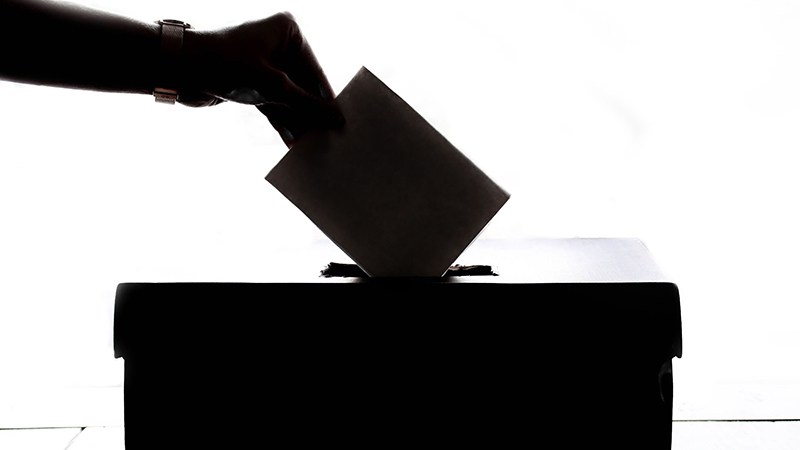
If anyone doubted whether Detroit voters would show up for the midterms, the opening hours of early voting put that question to rest. City Clerk Janice Winfrey confirmed that more than 2,300 ballots were cast on day one alone across eight designated voting centers.
That opening day surge proved Detroiters recognize the stakes on their streets and in their wallets. With key state leadership and pivotal congressional seats hanging in the balance, voters arrived early to lock in their voices.
To keep that energy hot, national firepower landed across Wayne County. Former President Barack Obama delivered a speech at Cass Technical High School, driving voter turnout among Black residents. Across town, comedian and commentator D.L. Hughley headlined a lively get-out-the-vote push at Fellowship Chapel. The message was simple: turnout is leverage, and Detroit cannot afford to sit this one out.
Toxic Tactics and the Fight for Cultural Unity
As the U.S. Senate race between Democrat Abdul El-Sayed and Republican Mike Rogers tightened down the stretch, the political gloves came off in ways that tested the city’s social fabric.
A political action committee tied to AIPAC drew fierce public backlash after launching targeted digital ads designed to stoke historic friction between Black and Arab American communities across Metro Detroit. In a region where solidarity across diverse populations is essential to working-class political power, local leaders saw the move as an attempt to divide and conquer.
Faith leaders from across the region answered quickly. Gathering for a joint press conference at downtown’s historic United Methodist Church, pastors, imams, and community advocates openly rejected the weaponization of race and religion.
The political tension escalated further when U.S. Health Secretary Robert F. Kennedy Jr. spoke at a Grand Rapids campaign stop. His inaccurate remarks regarding Arab scientists and literary history triggered fast rebukes from advocacy organizations statewide, reinforcing the reality that cultural respect remains non-negotiable for Michigan voters.
Corporate Billions Meet Neighborhood Realities
While campaign soundbites dominated the airwaves, a monumental financial deal crossed the finish line behind closed doors downtown.
The Neighborhood Advisory Council officially approved an aggressive $43.5 million Community Benefits package connected to the sweeping redevelopment of the Renaissance Center. Following weeks of hard-nosed negotiations involving Bedrock, General Motors, and grassroots organizers, this deal guarantees direct community investment from one of the city’s signature corporate landmarks.
At the same time, the Detroit City Council initiated a major policy overhaul targeting middle-income housing relief. Lawmakers are taking a critical look at how tax abatements are handed out to developers, making sure public subsidies translate into genuinely accessible living spaces for working families rather than luxury units that push longtime residents to the margins.
Investigative journalism is stepping up to hold these dynamics accountable. Local reporter Nushrat Rahman was awarded a prestigious fellowship to expand in-depth coverage across BridgeDetroit and the Detroit Free Press, focusing on rental affordability, housing security, and eviction prevention for low-income households.
Safety Challenges Demand Steady Leadership
Economic growth and political clout mean very little if families cannot feel secure walking their own blocks. A string of violent incidents across the city served as a somber reminder of ongoing public safety battles.
Detroit’s west side faced heavy police responses, including a prolonged standoff on Wyoming Avenue that ended in a fatal exchange of gunfire. Just hours later, a double shooting at 23rd and Buchanan Streets claimed another life, sparking calls from neighborhood organizers for more proactive, community-based violence intervention programs.
Meanwhile, the Detroit Police Department continues an urgent search for 15-year-old Andrew Spicer, who disappeared from Crane Street on the city’s east side. Authorities are urging anyone with credible information to contact local law enforcement immediately.
The Takeaway
Detroit is navigating a critical crossroad. The city is balancing record voter engagement, complex urban development, and daily neighborhood safety challenges all at once. How business leaders, elected officials, and everyday residents handle these tensions over the coming months will set the blueprint for Detroit’s growth, equity, and resilience for years to come.
#DetroitVotes #RenCen #DetroitNews