
Overview: What happened? Between October 24 and October 28, 2026, Missouri became a critical battleground for civil rights, voting access, and economic survival. Key developments included intense mobilization by Black congregations over crucial ballot measures (Amendments 3 and 4), a major appeals court ruling striking down administrative prison sentence inflation, and a controversial state-federal SNAP fraud crackdown dubbed “Operation Show-Me the Money” that advocates warn will worsen food insecurity. Additionally, grassroots voting rights, utility shut-off protections, and the search for missing 7-year-old Dylan Fernando Zendejas-Gonzalez have put marginalized communities in St. Louis and Kansas City on high alert.
Grassroots resistance, legal victories, and economic survival clash in the final countdown to the 2026 midterms.
The Mid-Week Rundown: Missouri Under Pressure: Power, Prison Math, and the Ground Game for Local Communities
The final days of October 2026 set off a massive wave of political and social shifts across Missouri. Between October 24 and October 28, decisions handed down in courtrooms, state offices, and neighborhood churches signaled a critical moment for communities of color in Kansas City, St. Louis, and everywhere in between.
Whether looking at ballot access, safety-net protections, or basic criminal justice calculations, the throughline remains clear. Policy decisions are colliding with everyday survival, and local organizers are moving fast to hold the line.
Here is what unfolded on the ground and what it means for the region.
The Ballot Box Battleground: Amendments, Faith, and Turnout
As early voting expanded across Missouri, faith leaders and civil rights organizations rallied Black congregations to address two pivotal measures on the November ballot: Amendment 3 and Amendment 6.
Amendment 3 seeks constitutional limits on reproductive rights and gender-affirming healthcare. Organizers across urban centers point out that healthcare access is already stretched thin in low-income neighborhoods, making this proposal an immediate threat to bodily autonomy and local clinics.
Meanwhile, Amendment 6 takes aim at direct democracy itself. The measure is designed to block state lawmakers from overturning policies approved directly by voters at the ballot box. For organizers who have spent years using statewide ballot initiatives to bypass legislative gridlock, Amendment 6 represents an effort to protect hard-fought civic wins from being wiped out overnight.
A Decisive Blow to Prison Sentence Inflation
On October 27, the Missouri Court of Appeals delivered a major ruling that directly challenges systemic inequities in the state penal system.
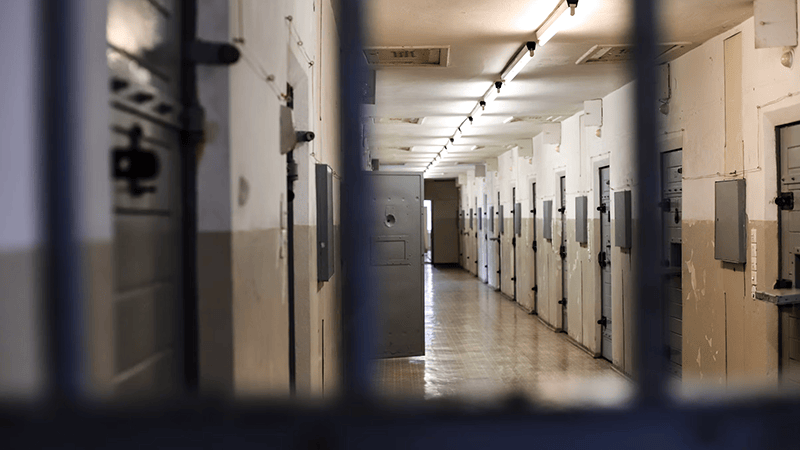
The court struck down an administrative calculation method that had quietly turned a 23-year sentence into a 40-year prison term. For years, legal advocates have sounded the alarm on administrative recalculations that keep people locked up decades beyond what a judge ordered. In a state where racial disparities inside correctional facilities run deep, the court decision offers an essential check against bureaucratic overreach. It establishes a clear legal standard: sentences cannot be stretched without judicial accountability.
Operation Show-Me the Money Targets the Safety Net
On October 24, state and federal agencies rolled out Operation Show-Me the Money, a joint enforcement crackdown focused on fraud within taxpayer-funded safety-net programs, starting with the Supplemental Nutrition Assistance Program (SNAP).
While officials framed the initiative as fiscal accountability, frontline advocates in Kansas City and St. Louis raised immediate red flags. Heightened audits, complicated administrative paperwork, and aggressive enforcement tactics historically cause massive disruption for working families. When state barriers go up, eligible families often drop off the rolls due to procedural red tape, directly worsening food insecurity in urban food deserts.
Kansas City: Redistricting Fights and Winter Relief
On the western side of the state, grassroots leaders spent the final week of October running intensive get-out-the-vote drives.
Following redistricting battles that diluted Black voting power across key districts, neighborhood groups stepped in to bridge the gap. Organizers hosted rapid-fire voter education clinics to help residents navigate altered precinct maps, relocated polling sites, and strict voter ID requirements. The mission was straightforward: keep eligible voters from being turned away at the doors.
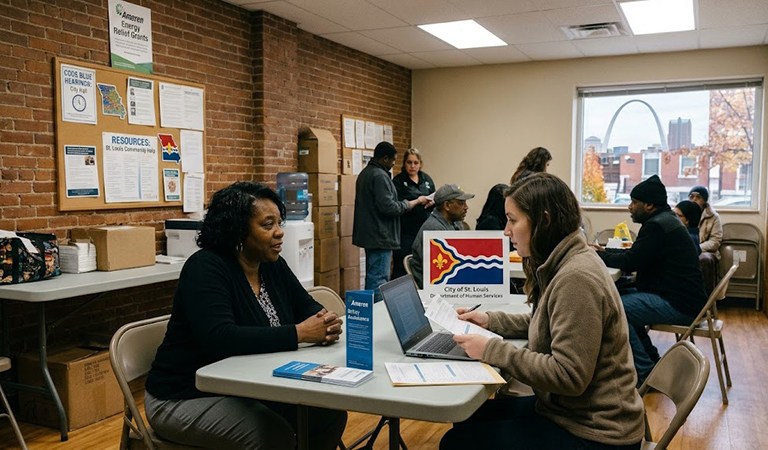
At the same time, community service groups launched campaigns around Missouri’s Cold Weather Rule. With utility costs climbing and temperatures dropping, these teams are working directly with low-income households to prevent heating cutoffs and secure emergency utility relief before winter hits.
Public safety also took center stage on October 28, when federal prosecutors in the Western District of Missouri secured a sentencing in a high-profile case involving incendiary devices near federal immigration facilities. The incident has kept local immigrant rights networks on alert as federal enforcement debates heat up across the metro area.
St. Louis: Community Alerts and the Suburban Congressional Split
In the St. Louis metropolitan area, safety and politics converged in deeply personal ways.
On October 28, the Missouri State Highway Patrol and Overland Police Department issued an Endangered Person Advisory for 7-year-old Dylan Fernando Zendejas-Gonzalez and his mother, Maria Guadalupe Gonzalez-Sanchez. The disappearance sparked an urgent response from local Hispanic community leaders, who used the moment to emphasize the urgent need for culturally competent mental health resources and bilingual family crisis services.
Meanwhile, national political attention locked onto Missouri’s 2nd Congressional District. The tight race between incumbent Ann Wagner and challenger Fred Wellman turned into a proving ground for suburban and urban voters alike. Campaign debates zeroed in on persistent racial wealth gaps, criminal justice reform, and regional transit lines connecting St. Louis City with outer county suburbs. In a district where turnout margins are paper-thin, economic equity and public mobility are driving the narrative.
What This Means Going Forward
The events of late October show that policy is never abstract. The push for fair sentencing, protected food assistance, reliable heat, and fair voting districts all tie back to regional stability. When communities mobilize around transparent governance and basic economic access, they shape the future of the entire Midwest.
#MissouriMidterms #CommunityFirst #ShowMeThePower