
Overview: Israel faces its most defining parliamentary election in modern history as voters prepare to choose the 120-seat Knesset in the first nationwide vote since the October 7, 2023 attacks. The election serves as a direct referendum on Prime Minister Benjamin Netanyahu’s wartime leadership, the future of the nation’s judicial independence, and the contentious issue of drafting ultra-Orthodox men into the military. A victory for Netanyahu cements hardline right-wing governance, renewed judicial overhauls, and deepening diplomatic isolation abroad. A win for the opposition could pave the way for an independent commission of inquiry into October 7, mandatory military service reforms, and a diplomatic reset with Western allies.
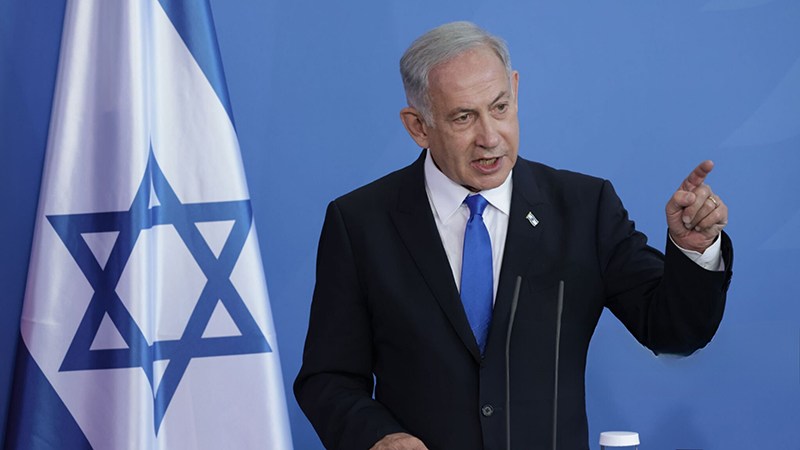
Voters face a choice between hardline judicial overhaul, mandatory Haredi conscription, and the political survival of Benjamin Netanyahu.
The Stakes of the Vote
Israel stands at a profound turning point. The parliamentary election for the 120-seat Knesset is widely viewed as the most consequential vote in the nation’s modern history. As the first major democratic referendum since the devastating October 7, 2023 attacks, this vote cuts straight to the core of national survival, democratic governance, and collective identity.
Voters face a choice between diametrically opposed visions for the country:
- A Direct Verdict on Leadership: The election serves as an unsparing referendum on Prime Minister Benjamin Netanyahu. After years in power, his wartime stewardship, coalition maneuvers, and regional security strategy are on trial before the electorate.
- Checks, Balances, and the Judiciary: The composition of the next Knesset will determine whether the government revives its contested judicial overhaul, an effort critics argue weakens the Supreme Court and undermines the foundational rule of law.
- The Military Conscription Dilemma: With the armed forces under unprecedented operational strain, the long-standing military draft exemptions for the ultra-Orthodox (Haredi) population have become unsustainable for a broad cross-section of the public. The next coalition must either legislate equality in national service or double down on historic carve-outs.
- Accountability for October 7: The outcome directly shapes whether the state will establish a fully independent, non-partisan commission of inquiry to investigate the intelligence, political, and operational lapses surrounding October 7, or leave those failures without an institutional reckoning.
- Global Alliances and International Standing: As Israel confronts rising diplomatic headwinds and intense scrutiny in Western capitals, this election signals whether Jerusalem will prioritize repairing international partnerships or entrench its current foreign policy trajectory.
Scenarios Under a Netanyahu Victory
A win for Netanyahu and his right-wing partners would set a distinct domestic and geopolitical path. To construct and maintain a functioning majority, his coalition would lean heavily on hardline and religious factions.
Here is what that trajectory signals:
Acceleration of West Bank Policies
Netanyahu’s reliance on far-right coalition partners would likely translate into an aggressive push for settlement expansion across the West Bank, paired with a deeply conservative social agenda at home.
Resumption of the Judicial Overhaul
A strengthened right-wing majority would almost certainly revisit structural judicial reforms designed to restrict Supreme Court oversight. Critics warn this could alter the separation of powers and shield political leaders from ongoing legal exposure.
Preservation of Draft Exemptions
To keep ultra-Orthodox parties locked into the governing bloc, the coalition would look to shield yeshiva students from mandatory conscription and maintain dedicated state subsidies, despite public pressure from secular and traditional reservists.
Deflection of an Independent Commission
Under this leadership, the government would resist creating an independent judicial commission of inquiry into October 7, opting instead to direct responsibility toward military and intelligence branches.
Further Diplomatic Friction
Doubling down on hardline policies risks deepening tensions with key Western allies, escalating exposure to international legal challenges, and leaving Israel more politically isolated on the world stage.
The Alternative: Coalition Reshuffling and Strategic Realignment
A victory for the opposition bloc would trigger an immediate push in the opposite direction. Leaders across the centrist and liberal factions have prioritized launching a formal state inquiry into October 7, halting judicial restructuring, and mandating universal conscription frameworks that include ultra-Orthodox men.
Achieving that requires stitching together an ideologically diverse coalition that balances security-focused hawks, secular liberals, and potential outside support from Arab-led factions. While this bloc promises institutional repair and a reset with Western allies, governing across such wide internal divides presents its own volatility.
Israel’s next Knesset will not just pass legislation. It will define the boundaries of the state, the balance of its democracy, and the path it takes out of its darkest security crisis.
#IsraelElections #Netanyahu #Knesset