
Overview: Wellpoint New Jersey is confronting severe statewide maternal mortality disparities by expanding ground-level access to doula care and launching community listening sessions. Directed by Jonathan Georges, the initiative bridges healthcare coverage and public awareness, leveraging proven doula support to reduce C-sections by 47 percent and preterm births by 29 percent for at-risk Black and Hispanic mothers across New Jersey.
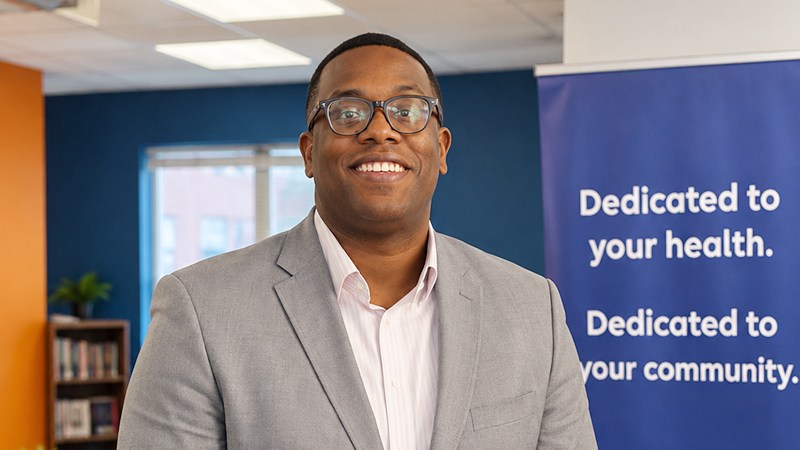
Jonathan Georges Leads Ground-Level Doula Awareness to Protect Black and Hispanic Mothers Across the Garden State
Maternal health has become one of the most urgent conversations in the country. Across the nation, families, advocates, and healthcare providers are actively working to close the gap between mothers who come through pregnancy and childbirth safely and those who do not.
In New Jersey, that conversation carries extra weight. The state has made maternal and child health a defined priority in recent years, confronting systemic disparities that continue to put Black and Hispanic families at significantly higher risk.
Maternal Health Disparities in New Jersey: The Numbers
Recent public health data illustrates the stark reality facing families across the Garden State:
- Maternal Mortality Disparities: A Black mother in New Jersey is almost seven times more likely than a white mother to die from maternity-related complications. A Hispanic mother is more than three times likelier to face fatal complications.
- Infant Mortality Rates: A Black infant is three times more likely to die before their first birthday compared to a white infant. A Hispanic infant is 1.6 times more likely to pass away within their first year.
For Jonathan Georges, an African-American leader serving as the Whole Health and Equity Director at Wellpoint New Jersey, leading this statewide initiative is deeply personal.
“It’s very personal as a Black man,” Georges said. “I’ve seen firsthand how difficult it is to be a Black woman and have a baby in America. My mother constantly reminds me how hard it was for her, even with support and education.”
What Is a Doula and How Do They Improve Birth Outcomes?
Doulas are trained professionals who offer continuous, nonclinical emotional, physical, and informational support to families before, during, and after childbirth.
Clinical research demonstrates measurable health benefits when doula care is incorporated into maternal care:
- Lower C-Section Rates: Roughly a 47 percent lower risk of cesarean delivery.
- Reduced Preterm Births: Approximately a 29 percent lower risk of preterm labor and birth.
New Jersey recognized these clinical advantages early on, covering doula care through Medicaid since 2021. However, as Georges points out, community awareness still lags behind policy.
Wellpoint New Jersey’s Community Listening Sessions
To bridge the gap between healthcare policy and everyday community awareness, Georges partnered with colleagues such as Anya Nawrocky, Director of Member Experience and Growth, to launch community listening sessions.
These grassroots events allow expecting parents to meet local doulas directly, ask candid questions, and discover how postpartum and prenatal advocacy benefits their care. Firsthand community feedback guides Wellpoint New Jersey’s strategy to expand doula utilization through pregnancy, childbirth, and the postpartum transition.
“No one knows what a doula is,” Georges noted, recalling a recent doula awareness event in South Jersey. “I think normalizing that support is probably the most important thing we can do. We’re getting out there, doing doula awareness education, explaining what doulas do and what doulas don’t do, so that there’s a clear understanding of where they fit in the whole process.”
The Power of Ground-Level Maternal Advocacy
Georges observed the real-world impact of doula support firsthand after shadowing a doula through an entire pregnancy. The patient had no family support nearby and was actively rebuilding her life after a difficult period.
The doula became a trusted advocate:
- Maintained daily check-ins
- Arranged dependable transportation to medical appointments six miles away
- Empowered the mother to voice questions and self-advocate in the exam room
By the end of her delivery, the mother reported a safe, positive experience and chose the doula to serve as her child’s godmother.
Building an Integrated Healthcare Ecosystem
Georges advocates for institutional integration so that pregnant patients do not have to navigate health systems alone.
“There needs to be better connection on the provider, hospital and health plan end,” Georges explained, “so a doula is part of the team without the patient having to make that choice.”
Until structural coordination becomes standard across all health networks, Georges shares a direct reminder to every expecting parent and family in New Jersey:
“Don’t be afraid to continuously ask for help, because that’s your right as a human. We should be helping each other, and that’s what we try to do.”
#MaternalHealth #HealthEquity #DoulaSupport