
Overview: Wellpoint New Jersey is confronting severe maternal health disparities by expanding community awareness of certified doula care under NJ FamilyCare Medicaid. In New Jersey, Black mothers face pregnancy-related mortality rates nearly seven times higher than white mothers, while Hispanic mothers face more than triple the risk. Led by Whole Health and Equity Director Jonathan Georges, Wellpoint hosts grassroots listening sessions connecting expectant families directly with doulas, nonclinical birth workers shown to reduce C-sections by 47 percent and preterm births by 29 percent.
Jonathan Georges Champions Doula Care and Community Listening to Protect Black Mothers Across the Garden State
Maternal healthcare in America is facing a reckoning. The gap between families who experience safe, supportive deliveries and those who face life-threatening complications remains unacceptable.
In New Jersey, that gap is a full-blown emergency.
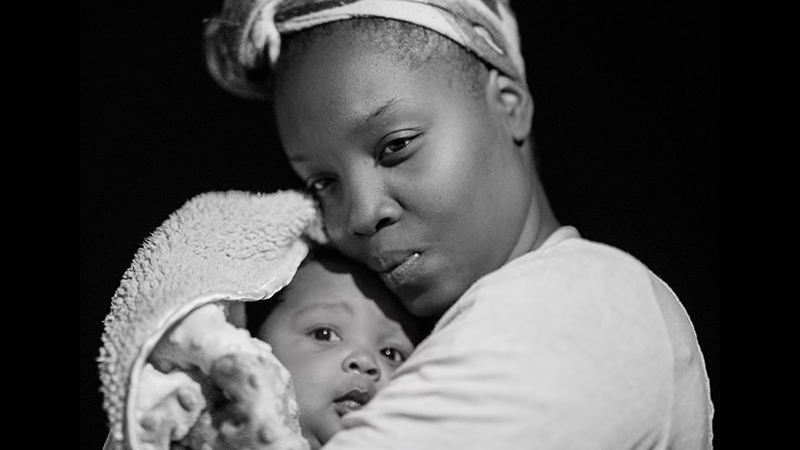
State health data paints a stark picture. A Black mother in New Jersey is almost seven times more likely to die from maternity-related complications than a white mother. For Hispanic mothers, the risk is more than triple. The tragedy reaches newborns too. A Black infant in the state is three times more likely to die before their first birthday than a white infant, while Hispanic babies face a risk 1.6 times higher.
These statistics are not abstract numbers for Jonathan Georges. They reflect the lived reality of his community and his family.
“It’s very personal as a Black man,” says Georges, the Whole Health and Equity Director at Wellpoint New Jersey. “I’ve seen firsthand how difficult it is to be a Black woman and have a baby in America. My mother constantly reminds me how hard it was for her, even with support and education.”
Now, Georges is using his leadership role to dismantle those disparities from the ground up.
Closing the Awareness Gap Through Grassroots Listening
The medical evidence is clear: doulas save lives. These trained professionals offer nonclinical emotional, physical, and informational guidance through pregnancy, labor, and the critical postpartum window. Studies show doula-supported births yield a 47 percent drop in C-section rates and roughly a 29 percent reduction in preterm deliveries.
New Jersey recognized that value early, approving Medicaid coverage for doula care through NJ FamilyCare back in 2021. Yet, having an available benefit on paper does not guarantee families use it.
“No one knows what a doula is,” Georges noted after a community gathering in South Jersey. “Normalizing that support is probably the most important thing we can do. We are getting out there, doing doula awareness education, explaining what doulas do and what doulas don’t do, so there is a clear understanding of where they fit in the whole process.”
To bridge that information divide, Georges teamed up with colleagues like Anya Nawrocky, Wellpoint’s Director of Member Experience and Growth. Together, they launched a series of statewide community listening sessions. These events give expectant parents a comfortable space to ask direct questions, understand their health plan options, and sit face-to-face with certified local doulas.
Doulas as Advocates, Advocates as Family
For Georges, the true power of a doula is advocacy inside clinical settings. He recalls shadowing a doula who supported a mother rebuilding her life with zero local family:
“She became this woman’s best friend. She checked in every single day, arranged rides to appointments six miles away, and made sure the mother found her voice in the exam room.”
That level of personalized care transformed an anxious pregnancy into an empowering birth story. By delivery day, the mother named her doula the child’s godmother.
Georges believes this standard of advocacy should be a systemic guarantee, not a rare stroke of good fortune. His vision focuses on institutional integration: bringing health plans, hospitals, and medical providers into complete alignment so doula care is standard operating procedure from day one.
Until that health ecosystem is fully realized, Georges encourages expectant parents to step forward and use every resource at their disposal.
“Don’t be afraid to continuously ask for help, because that’s your right as a human,” Georges says. “We should be helping each other, and that’s what we try to do.”
#MaternalHealth #DoulaCare #HealthEquity