
Overview: Cutting back on dietary salt, easing screen fatigue with the 10-10-10 vision rule, and sneaking in three 10-minute bursts of movement can immediately improve daily energy and protect long-term heart and brain health. These practical, bite-sized lifestyle tweaks, highlighted by Howard University Hospital and DiSC Health, prove that lasting wellness does not demand hours in a gym or an impossible overhaul. Small, deliberate micro-habits practiced every day deliver massive cardiovascular and metabolic dividends.
DISC Health Equity Action Lab
Cut back on sodium to protect your heart.Fight screen fatigue with the 10-10-10 focus habit.Break up sedentary hours with fast exercise snacks.
Howard University Hospital shares three effortless, science-backed daily habits to guard your heart, beat digital eye strain, and stay active without the gym.
Building a healthier life does not require an extreme overhaul. In fact, lasting wellness begins with small daily choices. Howard University Hospital and DiSC Health share simple, research-backed tips that fit easily into your routine.
This week, learn how to lower sodium intake to protect your heart. Furthermore, find out how to rest your eyes during screen work. Finally, explore how quick exercise snacks beat afternoon fatigue.
Preventive care starts at home. Howard University Hospital and DiSC offer three quick habits to protect your heart, relieve eye strain, and boost your energy. Best of all, you do not need expensive gym gear to do them.
1. Eat Less Salt to Protect Heart and Vascular Health
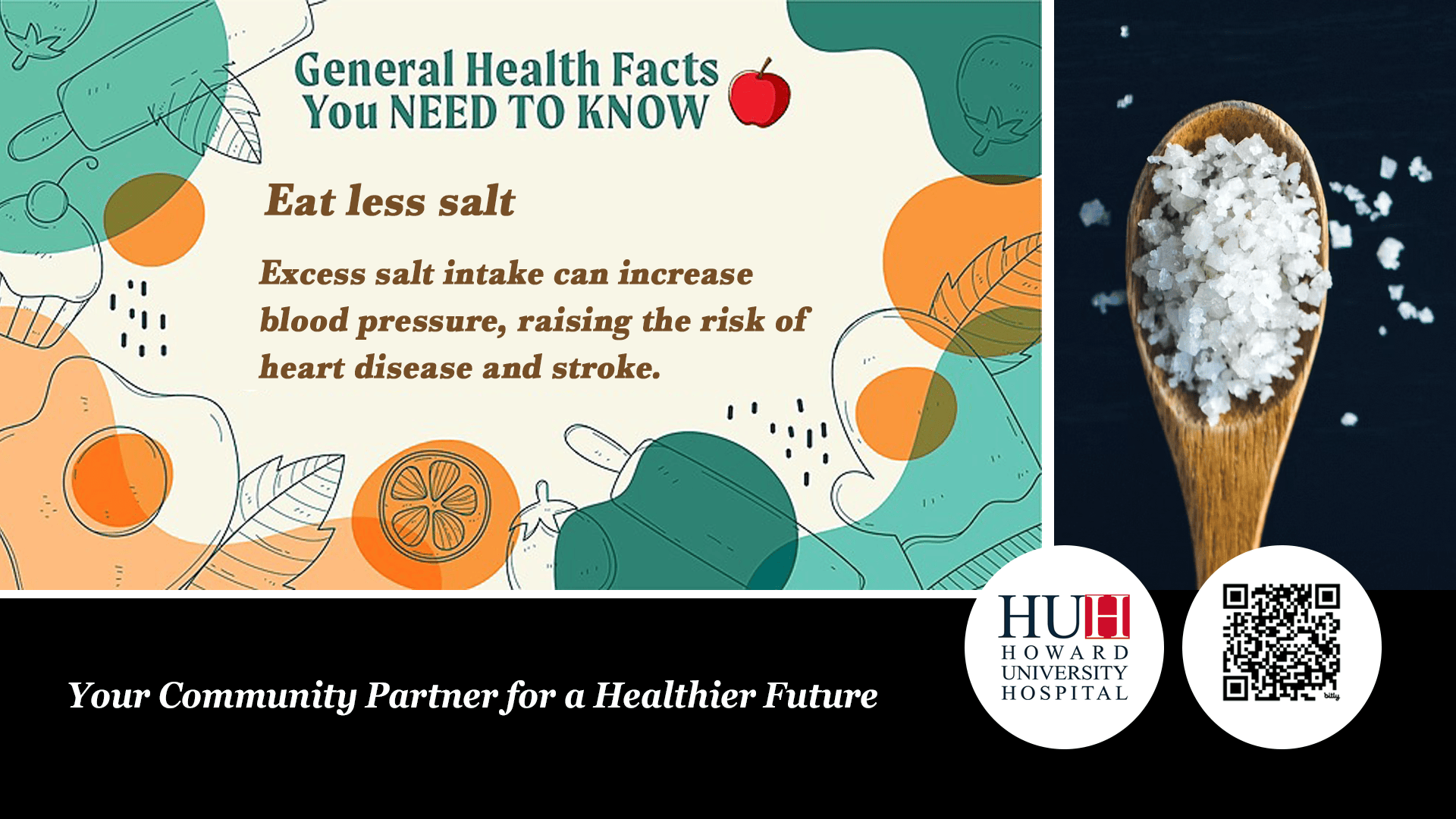
xcess salt makes your body hold extra water. As a result, this fluid retention puts heavy pressure on your blood vessels. Over time, higher blood pressure increases the risk of heart disease and stroke.
Surprisingly, most dietary sodium does not come from your table shaker. Instead, it lurks inside processed meats, canned soups, and frozen meals. Cutting back on these foods allows your arteries to relax naturally.
- Season with fresh spices: Use garlic powder, paprika, black pepper, oregano, or lemon juice instead of table salt.
- Inspect food packages: Choose low-sodium or unsalted beans, broths, and sauces. Try to pick items with under 140 milligrams of sodium per serving.
- Rinse canned goods: When using standard canned foods, drain them thoroughly. Afterward, a cold-water rinse strips away extra surface sodium.
2. Use the 10-10-10 Rule to Reduce Eye Strain and Mental Fog
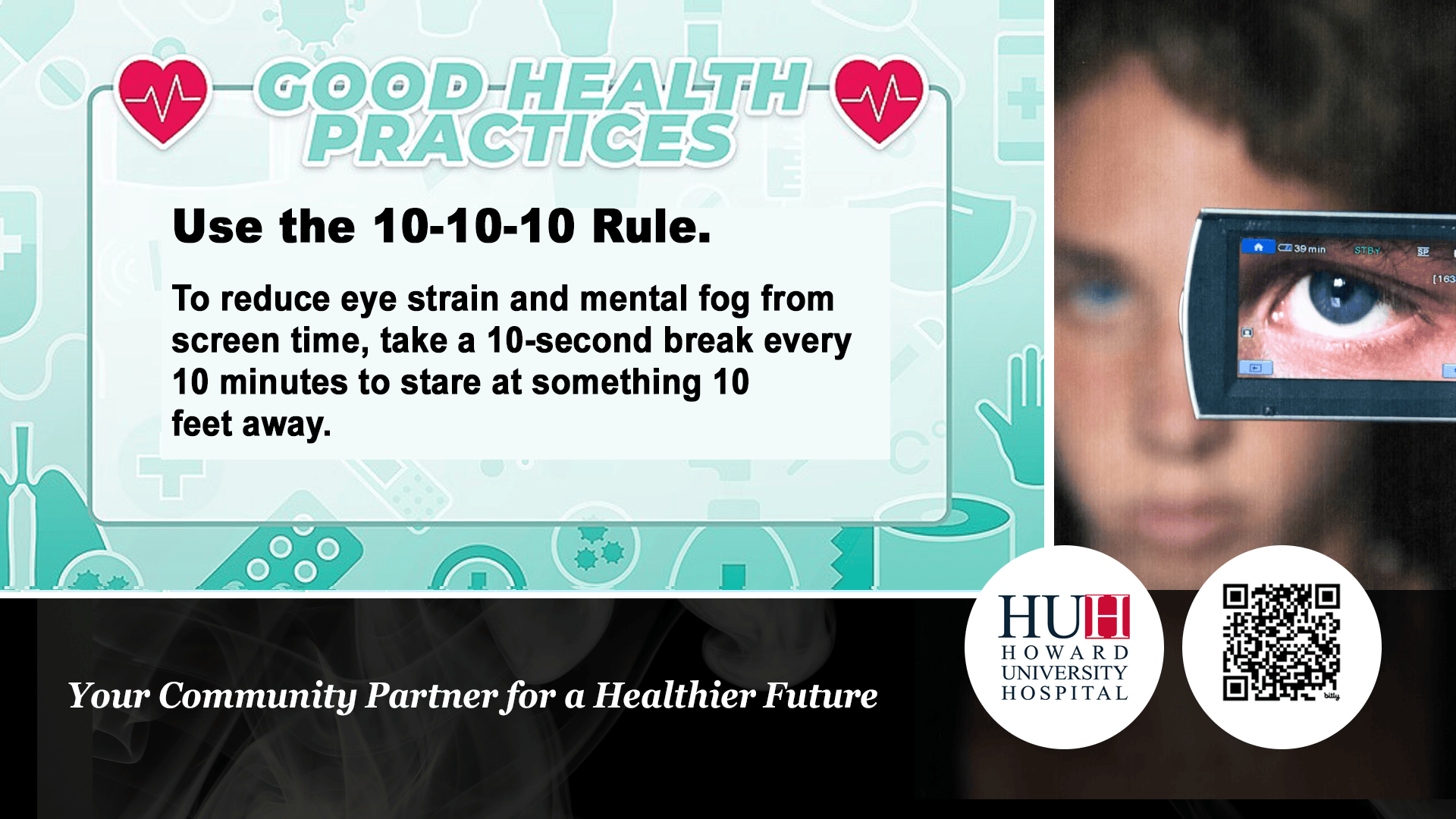
Staring continuously at screens strains your eye muscles. Consequently, long work hours often cause dry eyes, headaches, and mental fatigue.
Fortunately, the 10-10-10 rule gives your eyes a quick reset. Every 10 minutes, pause for 10 seconds. During that pause, stare at something at least 10 feet away. This simple shift relaxes your focusing muscles and clears brain fog.
- Target a distant item: Find an object down the hall or out a window that sits at least 10 feet away.
- Blink several times: Remember to blink during your 10-second rest. Doing so spreads natural tears to refresh your eyes.
- Add a quick alert: Place a note on your screen or set a quiet timer to remember these pauses.
3. Try Exercise Snacking to Defeat Sluggish Afternoons
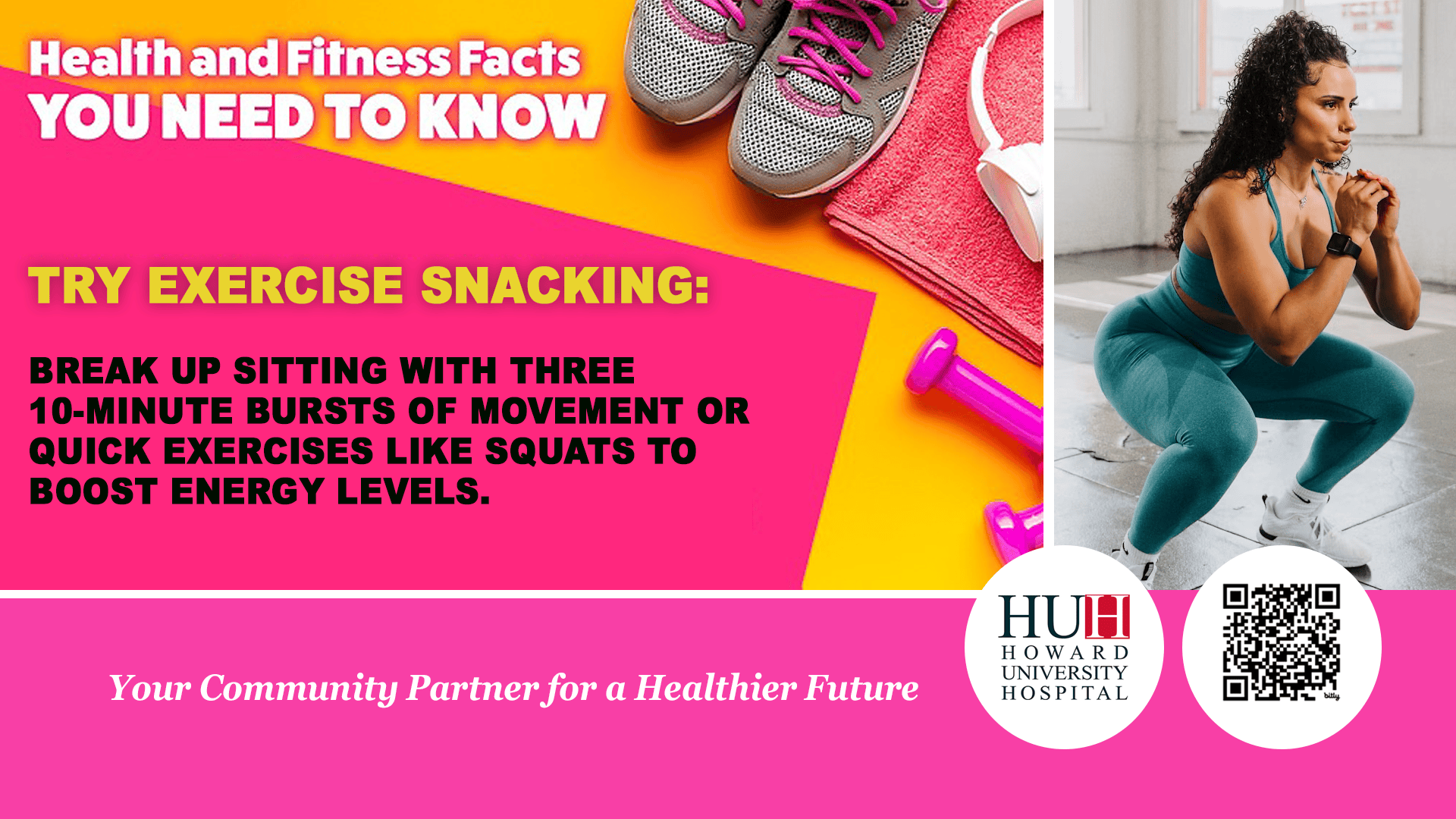
Prolonged sitting slows down blood circulation. Additionally, hours in a chair leave your muscles stiff and sap your afternoon drive. You do not need an hour at the gym to fix this problem.
Instead, try exercise snacking. Break up long sitting spells with three 10-minute bursts of movement. Quick routines like squats wake up large muscles and deliver a rapid energy lift.
- Knock out desk squats: Stand up and complete 15 to 20 deep bodyweight squats to get blood flowing fast.
- Take brief walking laps: Step into the hallway or take the stairs for 10 brisk minutes before eating lunch.
- Perform standing push-ups: Lean against a desk or wall for a quick push-up set while your coffee brews
Community Health in Action
Preventive care works best when it stays practical. By cutting salt, resting your eyes, and taking movement snacks, you build strong daily defenses for your overall health
About
DISC Health
The Health Equity Action Lab (HEAL) is an initiative by Dynasty Interactive Screen Community aimed at addressing health disparities in the U.S. and globally. By engaging media and stakeholders, HEAL seeks to reduce health inequalities and raise awareness. Their approach includes overcoming socio historical barriers and confronting the institutional, social, and political factors that perpetuate healthcare inequality.
Learn more about the health education partnership:
Howard University Hospital (HUH)
Howard University Hospital, established in 1862 as Freedmen’s Hospital, has a rich history of serving African Americans and training top medical professionals. Located in Washington, D.C., it is the only teaching hospital on the campus of a historically Black university. HUH is a Level 1 Trauma Center and a critical healthcare provider for underserved populations. It offers advanced medical services, including robotic surgery, and has received numerous accolades for excellence in specialties like heart care, stroke treatment, and radiology.
Learn more about Howard University Hospital (HUH)
Howard University Faculty Practice Plan (FPP)
The Howard University Faculty Practice Plan is a multi-specialty physician group in Washington, D.C., dedicated to advancing healthcare and eliminating health disparities. It offers comprehensive services, including primary and specialty care, mental health, imaging, and cancer care, all connected to Howard University Hospital. FPP emphasizes patient-centered, respectful care for the diverse community and provides free health screenings and events to promote wellness.
Learn more about Howard University Faculty Practice Plan (FPP).
Get more Disc Health Weekly Tips:
#HeartHealth #DailyWellness #HealthyLiving